In the vast, rolling expanse of the ocean, a warship is more than steel and machinery; it is a floating community, isolated from the rhythms of land and family. For the sailors aboard the USS Abraham Lincoln, months of continuous deployment have stretched this isolation into a profound strain. Now, in a move that underscores the human cost of modern naval operations, the USS George Washington is being dispatched to relieve the Lincoln, following growing concerns about the mental well-being of its crew.
The decision comes amid reports of deteriorating conditions on board the Lincoln, including shortages of fresh food and basic supplies like soap. These logistical failures, combined with the relentless pace of operations in the Middle East, have created an environment where stress accumulates without relief. Families of the sailors have voiced alarm, describing a rise in psychological distress and even instances of self-harm among the roughly 5,000 personnel on board. The Navy’s response—sending a replacement carrier earlier than planned—is a rare acknowledgment of these internal pressures.
For the crew of the Lincoln, the arrival of the Washington represents not just a tactical shift but a lifeline. The promise of returning home, of seeing loved ones and sleeping in a stationary bed, offers a respite from the unyielding demands of sea duty. It is a reminder that even in the most disciplined institutions, human endurance has limits. The extended deployment, marked by repeated extensions and operational intensity, has tested those limits in ways that traditional metrics of readiness may not fully capture.
The USS George Washington, currently transiting toward the region, carries its own burden of expectation. Its crew must prepare to step into a high-tempo environment, maintaining the strategic presence required by U.S. policy while avoiding the pitfalls that affected their predecessors. This transition highlights the delicate balance between military necessity and personnel welfare, a challenge that navies around the world continue to navigate.
Mental health in the military has long been a subject of quiet concern, but recent events have brought it to the forefront. The stigma surrounding psychological struggles is slowly eroding, allowing for more open discussions about the toll of service. The Navy’s decision to prioritize the well-being of the Lincoln’s crew signals a shift in culture, one that values sustainability over sheer endurance. It suggests that operational effectiveness is inextricably linked to the health of the people who serve.
Logistical issues, such as the supply shortages reported on the Lincoln, exacerbate these psychological stresses. When basic comforts are denied, morale suffers, and resilience wanes. Ensuring that ships are adequately stocked is not merely a matter of convenience but of fundamental support for the crew’s quality of life. The investigation into these supply chain failures will likely lead to reforms aimed at preventing similar situations in the future.
As the Washington approaches, the focus turns to the handover process. It is a complex operation requiring precise coordination, but also a moment of solidarity between two crews sharing the same unique experience. The sailors of the Lincoln look forward to the relief they bring, while the Washington’s crew prepares to take up the mantle. Both groups understand the weight of their mission and the personal sacrifices it entails.
This episode serves as a poignant reminder of the human element in national defense. Behind every strategic deployment are individuals facing extraordinary challenges. By addressing their needs with urgency and care, the Navy reaffirms its commitment to those who serve. The relief of the USS Lincoln is not just a rotation of ships; it is an act of stewardship, ensuring that the men and women who protect the nation are themselves protected.
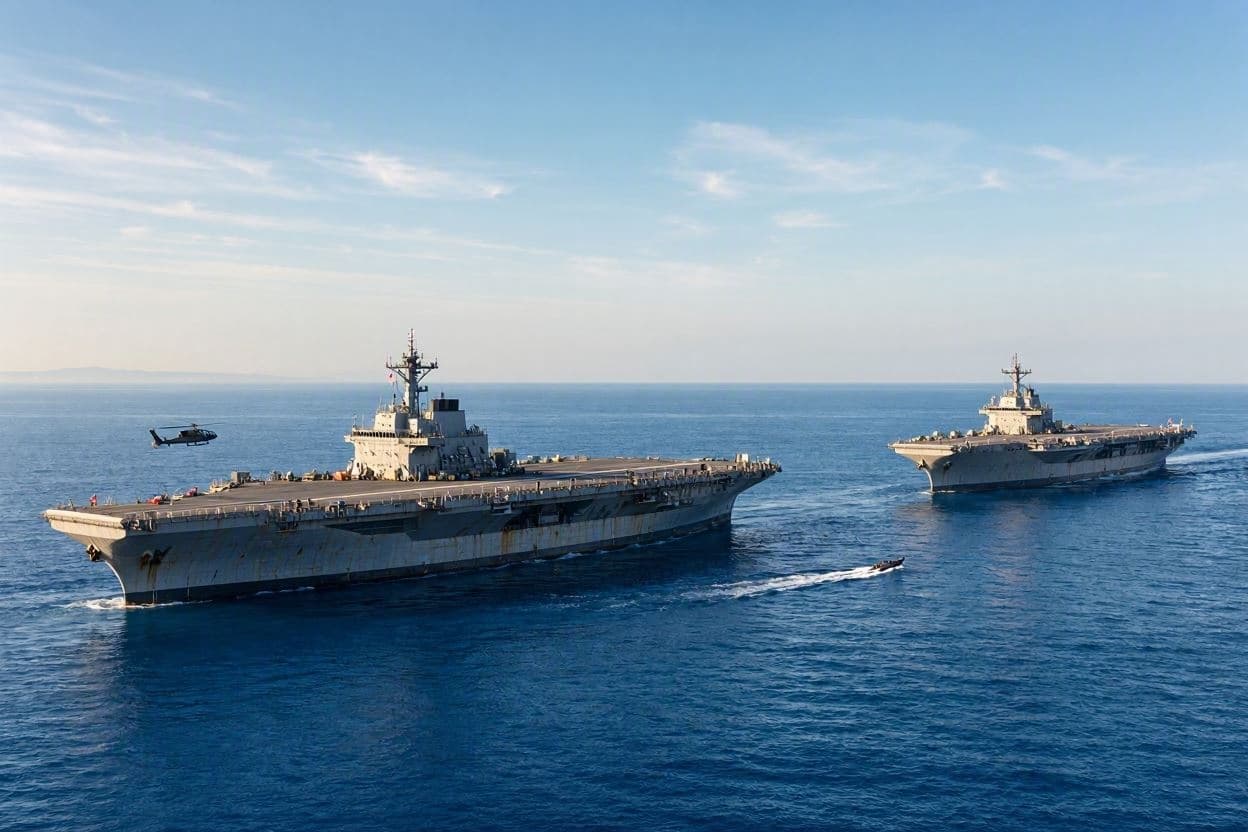
AI Image Disclaimer: The visual elements in this article are AI-generated illustrations depicting naval vessels at sea and abstract representations of crew welfare, designed to reflect the theme of maritime service without showing real individuals or classified details.
Sources: KNPR, KLCC, HPPR, France 24, Times of India
Published by Banx Network. This article is part of the Banx decentralized media programme, powered by the BXE token on the XRP Ledger.