There is a moment in every complex system when the ground shifts beneath the familiar patterns, when the rules that governed yesterday no longer describe tomorrow. Scientists call these moments tipping points—thresholds beyond which a system, whether a climate, an ecosystem, or even a wing in flight, topples into a new and sometimes irreversible state. Predicting when they will arrive has long been one of the hardest problems in science.
Now, a Caltech-led team has demonstrated that a specialized form of artificial intelligence can forecast these moments of no return, using a type of neural network called a recurrent neural operator. The research, published in the Proceedings of the National Academy of Sciences, represents a significant advance in a field where uncertainty has always been the norm .
The challenge with tipping points is that they are inherently nonstationary. The past does not reliably predict the future when the system itself is changing. "Parts of a system are changing in a way so that you cannot bring the system back to its original state," said Anima Anandkumar, Caltech's Bren Professor of Computing and Mathematical Sciences and the study's principal author. "That's why it is seen as something that could be catastrophic" .
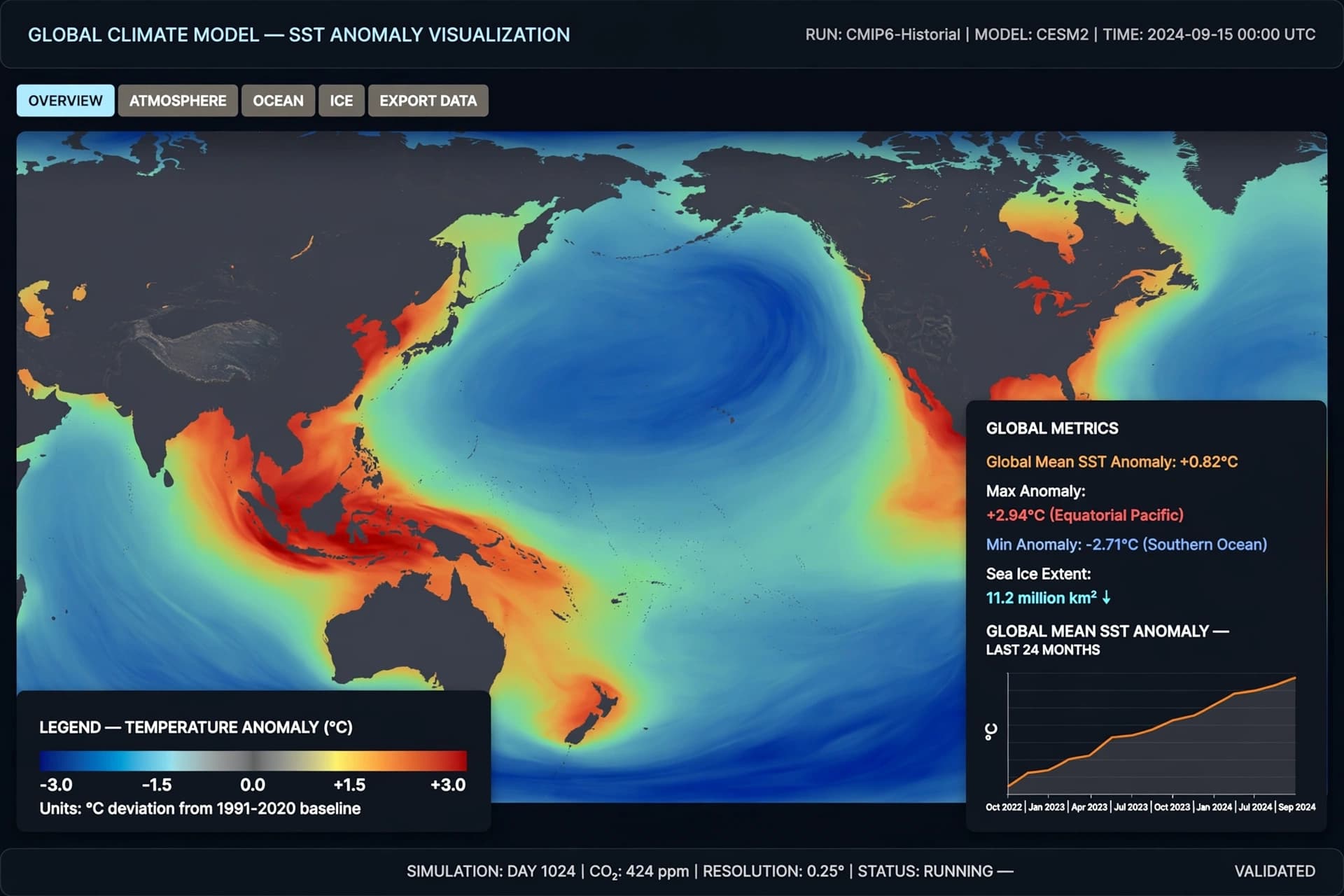
The team tested their AI on a simulated climate scenario in which low clouds over the oceans rapidly disappear due to rising carbon dioxide levels—a situation predicted but not yet observed. The loss of these clouds would itself accelerate global warming. The recurrent neural operator was able to look more than two years ahead of the expected tipping point in the simulated data and predict its timing with an error of about eleven days .
What makes the approach novel is its built-in "memory" that tracks how physics change over time. When the AI's predictions no longer follow the rules of previously defined physics, it signals that a tipping point is imminent. "The system is drifting away over time, and the laws from physics are no longer holding at the tipping point," Anandkumar said .
The research also tested the model on simulations of airflow over a tilting plane wing, successfully forecasting the point at which lift drops precipitously. "Being able to anticipate these qualitative changes before they occur could ultimately" inform design and safety across multiple fields, said study coauthor Jane Bae of Caltech
Because tipping points are so universal, the tool has potential applications in climate science, ecology, epidemiology, and aeronautical design. The work was cited in a recent United Nations report on the importance of tipping points in climate science. For a world learning to live with uncertainty, the ability to see the edge before arriving there is a gift worth pursuing.
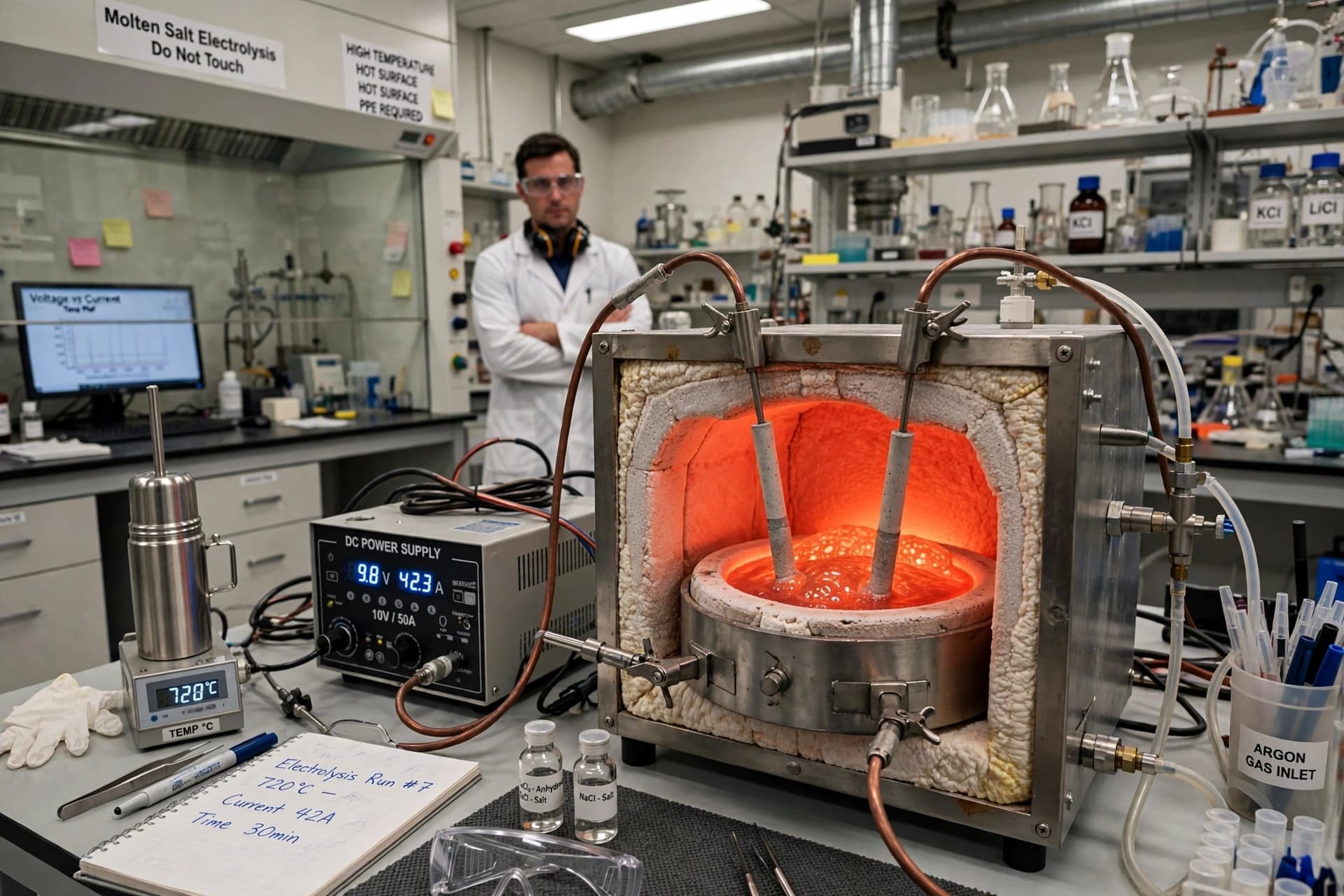
AI Image Disclaimer: The accompanying visual is AI-generated and does not depict actual climate models or simulations.
Sources: Caltech Division of Engineering and Applied Science, Proceedings of the National Academy of Sciences (PNAS), United Nations
Published by Banx Network. This article is part of the Banx decentralized media programme, powered by the BXE token on the XRP Ledger.