Key Highlights
- Incident:Red graffiti reading "Slava UPA" appeared on two historic monuments in Warsaw on November 14.
- Response:Ukraine's Embassy condemned the vandalism, linking it to Russian hybrid warfare.
- Investigation:Warsaw police are currently investigating the incident, with no suspects identified.
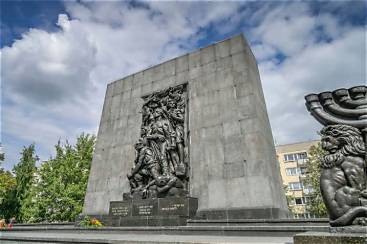
On November 14, red graffiti proclaiming "Slava UPA" was discovered on two significant monuments in Warsaw, Poland. The targeted sites included the Monument to the Heroes of the Warsaw Ghetto and a memorial dedicated to the soldiers of the First Polish Army. This act of vandalism has sparked outrage and concern, particularly in the context of ongoing tensions between Ukraine and Russia.
In response to the incident, Ukraine's Embassy in Poland issued a strong condemnation, characterizing the graffiti as a deliberate act of provocation by Russia. The embassy suggested that this vandalism is part of a broader strategy of hybrid warfare aimed at sowing discord, undermining trust, and weakening international support for Ukraine. The statement emphasized the importance of unity among Ukrainians and urged them to reject any offers of financial compensation for acts of vandalism.
The graffiti incident has drawn attention not only for its content but also for its timing. As Ukraine continues to face aggression from Russia, acts like these can exacerbate tensions and complicate diplomatic relations. The embassy's assertion that this is a Russian tactic reflects a growing concern about the methods employed by the Kremlin to destabilize its neighbors and influence public perception.
Currently, Warsaw police are investigating the incident, but as of now, no suspects have been identified. The authorities are working to gather evidence and determine the motivations behind the graffiti. While the Ukrainian Embassy has pointed fingers at Russia, it is important to note that direct involvement has yet to be established.
This incident is part of a larger pattern of graffiti and vandalism that has occurred in various locations, often reflecting political sentiments and historical grievances. The phrase "Slava UPA" refers to the Ukrainian Insurgent Army, a controversial group that fought during World War II. Its use in graffiti can evoke strong reactions, particularly in Poland, where historical narratives surrounding the UPA are complex and sensitive.
As investigations continue, the implications of this act of vandalism extend beyond the immediate damage to the monuments. It raises questions about the ongoing conflict between Ukraine and Russia and the ways in which historical narratives are manipulated in contemporary political discourse. The response from the Ukrainian Embassy underscores the need for vigilance against such provocations, which can have far-reaching consequences for international relations and public sentiment.
In conclusion, the graffiti incident in Warsaw serves as a reminder of the fragile state of relations in Eastern Europe and the ongoing challenges faced by Ukraine in its struggle for sovereignty and support on the global stage. As the situation develops, it will be crucial to monitor the responses from both Polish authorities and the international community regarding this provocative act.
Published by Banx Network. This article is part of the Banx decentralized media programme, powered by the BXE token on the XRP Ledger.