Key Highlights
- Date of Incident:EU forces boarded the MV MIDAG on November 13.
- Vessel Status:The tanker is suspected of being part of Russia's shadow fleet.
- Operation Details:The inspection was part of Operation IRINI under the UN Convention on the Law of the Sea.
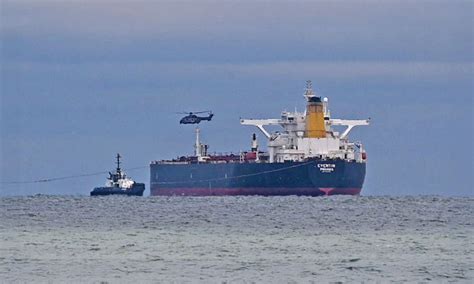
On November 13, European Union naval forces conducted a boarding operation on the tanker MV MIDAG in the Mediterranean Sea. This action was confirmed by Kaja Kallas, the EU's foreign-policy chief, who stated that the vessel was suspected of being linked to Russia's shadow fleet. This fleet is known for transporting oil while circumventing Western sanctions imposed on Russia due to its ongoing conflict in Ukraine.
The operation was carried out under the auspices of Operation IRINI, which aims to enforce the UN arms embargo on Libya and monitor illegal oil exports. Kallas noted that the inspection revealed the tanker was sailing under a false flag, a tactic often employed by vessels attempting to evade detection and sanctions. However, the EU has not disclosed whether the MV MIDAG was detained or seized during this operation.
Kallas emphasized the EU's commitment to disrupting the networks that facilitate the transport of sanctioned oil. This incident highlights the ongoing efforts by European nations to counteract Russia's attempts to bypass sanctions and maintain its oil exports. The EU's actions are part of a broader strategy to apply pressure on Russia and limit its economic capabilities in the wake of its military actions in Ukraine.
The boarding of the MV MIDAG is a significant development in the EU's maritime operations, showcasing the bloc's resolve to enforce sanctions and uphold international law. As tensions continue to rise, the EU is likely to intensify its efforts to monitor and disrupt Russian maritime activities in the Mediterranean and beyond.
This incident also raises questions about the effectiveness of current sanctions and the methods employed by Russia to evade them. The use of false flags and shadow fleets indicates a sophisticated approach to circumventing international regulations, prompting discussions on how to enhance enforcement mechanisms.
As the situation evolves, the EU will need to remain vigilant and adaptive in its strategies to ensure compliance with sanctions and to deter further violations by Russia. The implications of this operation extend beyond immediate enforcement, as they reflect the broader geopolitical landscape and the ongoing conflict in Ukraine.
Published by Banx Network. This article is part of the Banx decentralized media programme, powered by the BXE token on the XRP Ledger.