In the theater of political symbolism, even the condition of the grass can become a subject of debate. Former President Donald Trump recently attributed large patches of dead grass on the National Mall to vandals, specifically pointing to the area near the World War II Memorial where he held a Fourth of July celebration. The claim has drawn scrutiny, with critics suggesting that the damage was instead a result of the heavy infrastructure and crowds associated with the event itself.
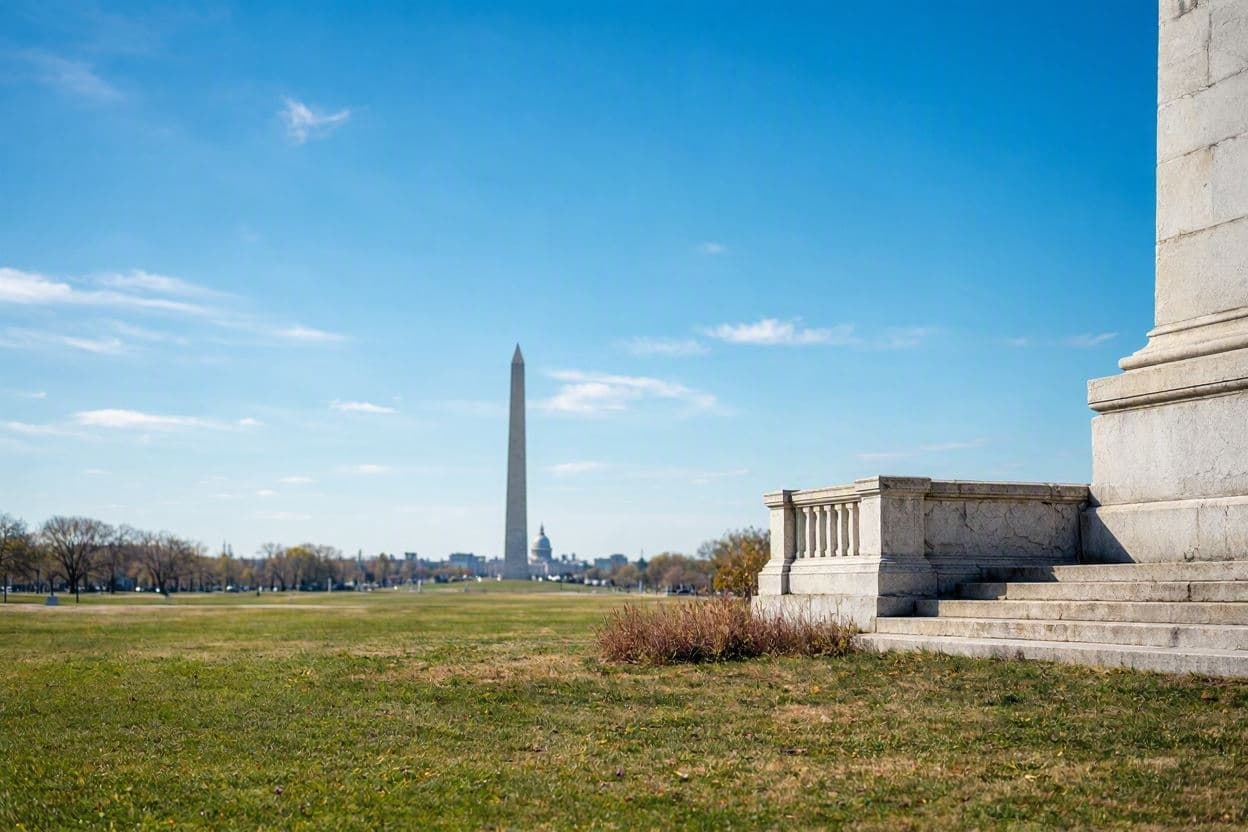
The images in question show brown, withered turf in a location that was once vibrant green. Trump’s assertion that malicious actors deliberately destroyed the landscape contrasts with observations from park officials and event planners. They note that the installation of stages, bleachers, and other temporary structures, combined with the foot traffic of thousands of attendees, can severely stress the soil and grass underneath. Such wear and tear is a common consequence of large-scale public gatherings.
For the National Park Service, maintaining the Mall is a continuous challenge. The site hosts numerous events throughout the year, each leaving its mark on the delicate ecosystem. Restoring the grass requires time, resources, and careful planning. Blaming vandalism shifts the narrative from one of logistical impact to one of criminal intent, a distinction that carries political weight. It frames the former president as a victim of disorder rather than a participant in a resource-intensive spectacle.
Public reaction has been mixed. Supporters of Trump view the accusation as a valid defense against unfair criticism, while detractors see it as an attempt to deflect responsibility. The debate reflects broader divisions in how political figures are perceived and how their actions are interpreted. In this case, a simple patch of dead grass has become a proxy for larger arguments about accountability and truth.
Historical precedents show that major events often leave temporary scars on public spaces. From inaugural ceremonies to concerts, the trade-off between celebration and preservation is a constant negotiation. Event organizers typically work with park authorities to minimize damage, but some impact is inevitable. The discussion around the Fourth of July event highlights the need for transparent communication about these effects.
The role of media in amplifying such disputes is significant. Social media platforms allow for rapid dissemination of images and opinions, often without full context. This can lead to polarized interpretations, where facts are secondary to narrative. In the case of the dead grass, the visual evidence is clear, but the cause remains a point of contention, illustrating the complexity of post-event analysis.
For the National Mall, the focus remains on restoration. Park crews are working to rehabilitate the affected areas, ensuring that the space remains beautiful and functional for future visitors. The incident serves as a reminder of the care required to maintain public landmarks, especially in an era of frequent and large-scale use. It underscores the shared responsibility of organizers, authorities, and the public.
As the political season continues, stories like this remind us that details matter. Whether viewed as vandalism or wear and tear, the condition of the grass tells a story about usage, impact, and perception. In the end, the goal is to preserve the integrity of these sacred spaces, allowing them to serve as backdrops for democracy and memory, free from both physical damage and partisan discord.
AI Image Disclaimer: Visuals in this article are AI-generated illustrations of the National Mall and abstract representations of political discourse, designed to reflect the themes of public space and debate without depicting real individuals.
Sources: The Washington Post, Yahoo News, KOLD, CW39
Published by Banx Network. This article is part of the Banx decentralized media programme, powered by the BXE token on the XRP Ledger.