KANO, Nigeria — A severe outbreak of diphtheria has claimed the lives of at least 50 children across Kano State, plunging local health authorities into an emergency crisis response as hospitals struggle to manage a rapid influx of infected patients.
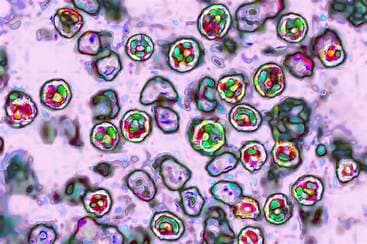
The lethal surge in cases has primarily devastated rural communities and densely populated urban centers where routine immunization rates have sharply dropped. Diphtheria, a highly contagious bacterial infection affecting the nose, throat, and respiratory system, spreads rapidly through respiratory droplets and close contact.
Medical personnel at primary healthcare facilities report overwhelming numbers of young patients presenting severe symptoms, including high fever, swollen neck glands, and the characteristic thick gray membrane coating the back of the throat that can lead to fatal airway blockages.
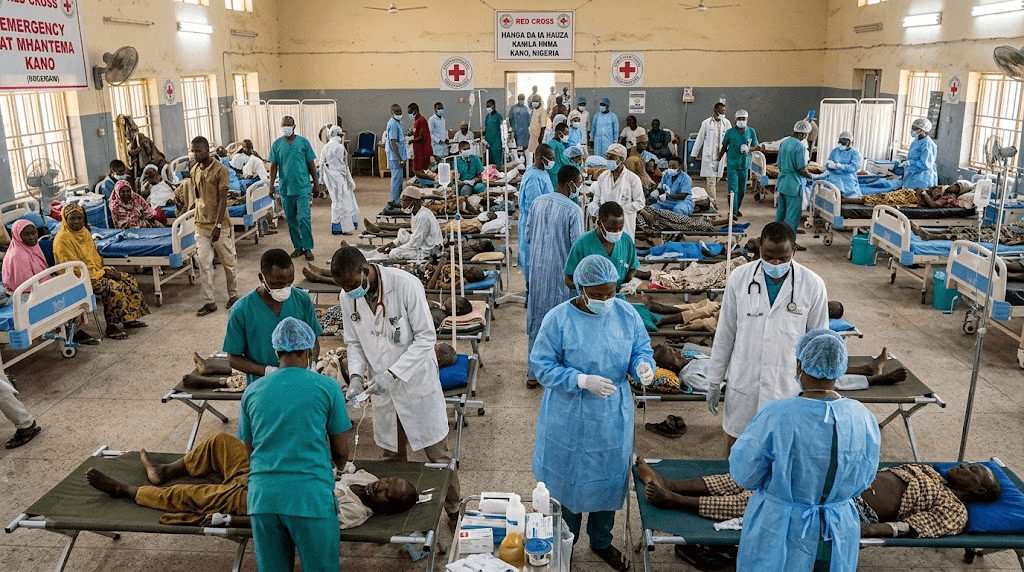
Health authorities and international aid organizations are racing against time to contain the spread and deliver life-saving treatments to affected areas. To manage the crisis, state health officials have established specialized isolation centers to triage and treat infected children, deploying emergency stashes of Diphtheria Antitoxin (DAT) and broad-spectrum antibiotics.
Simultaneously, mobile healthcare teams are fanning out across high-risk local government areas (LGAs) to administer pentavalent vaccines to unimmunized children and deliver essential booster doses. However, public health experts warn that the ongoing national shortage of antitoxin supplies and low baseline vaccination coverage pose severe challenges to stopping the transmission chain immediately.
State health leaders and humanitarian agencies continue to urge parents to bring symptomatic children to health facilities immediately while calling for emergency assistance to secure additional vaccine stocks and vital medical supplies.
In response to the escalating crisis, the Kano State House of Assembly held an emergency legislative session, calling on the state governor to invoke the state’s Health Protection Law. Lawmakers pressed for immediate executive intervention to provide free emergency healthcare, mandate isolation protocols, and establish a dedicated inter-agency task force covering affected local government areas including Rano, Kiru, Tudun Wada, Kibiya, Bunkure, and Bebeji.
Community leaders and public health experts stress that long-term containment will ultimately require addressing deep-seated routine immunization gaps, ensuring that vulnerable children in hard-to-reach rural zones receive full protective coverage to prevent recurring outbreaks of vaccine-preventable diseases.
Published by Banx Network. This article is part of the Banx decentralized media programme, powered by the BXE token on the XRP Ledger.