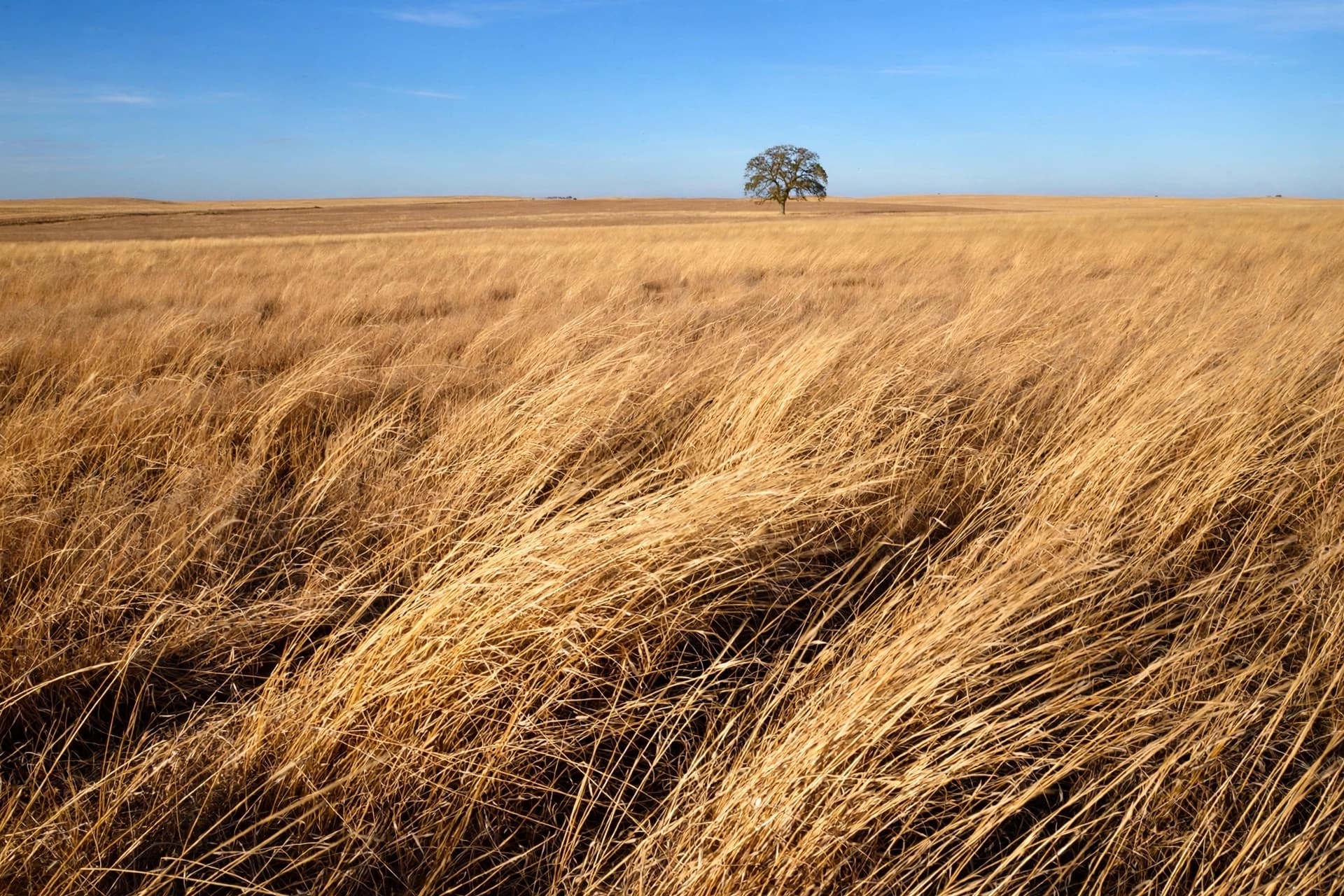
Amid the sun-warmed cliffs and rolling plains of Spain, a new chapter in Earth’s deep history has emerged from the rock. Paleontologists have uncovered the remains of a diminutive herbivorous dinosaur, a creature whose small frame belies the enormous story it tells. In its fragile bones, scientists read echoes of ancient forests, of ecosystems shaped long before humans walked the land.
The dinosaur, no larger than a modern turkey, likely roamed in flocks, nibbling leaves and ferns, its existence woven into a delicate tapestry of plants and predators. Fossilized fragments reveal not only its size but hints of its lifestyle: light, agile limbs suggesting careful foraging; teeth shaped for shearing rather than tearing, a silent testament to a plant-based diet; and bone structures that speak of growth patterns, survival strategies, and life in a dynamic prehistoric world.
Discoveries like this illuminate more than a single species. They open windows into the rhythm of ancient landscapes, the interactions between flora and fauna, and the evolutionary experiments that have played out over millions of years. In each fossil, there is a story of adaptation and resilience, of a life lived in balance with its environment, even as continents drifted and climates shifted.
For the scientists unearthing these remains, every fragment is a dialogue with time. Sediments, mineral patterns, and bone textures become language, translating the distant past into knowledge. This tiny dinosaur, preserved against the odds, is both messenger and witness, reminding us that life’s diversity is far richer than we often imagine and that even the smallest creatures can leave profound imprints on the narrative of Earth.
As excavation continues and analyses deepen, the Spanish plains yield not only bones but wonder. In the quiet patience of fieldwork, we glimpse the world as it once was, vibrant and interconnected, and we are reminded that science is as much about listening to Earth’s whispers as it is about charting its history.
AI Image Disclaimer Visuals are AI-generated and serve as conceptual representations.
Sources (names only) Journal of Vertebrate Paleontology Spanish National Research Council (CSIC) Paleontology Society of Spain Nature Ecology & Evolution Proceedings of the Royal Society B
Published by Banx Network. This article is part of the Banx decentralized media programme, powered by the BXE token on the XRP Ledger.