There is a story the atmosphere tells in a language so faint that only the most sensitive instruments can hear it—a story about where nitrogen goes, and whether the planet's essential cycles remain in balance. For decades, scientists have struggled to measure the biological conversion of reactive nitrogen back into harmless dinitrogen gas. A rare molecular pairing, hidden within the air we breathe, may finally provide the answer.
Nitrogen makes up 78 percent of Earth's atmosphere, but most of it is the common isotope nitrogen-14. Only about 0.4 percent is nitrogen-15. Molecules containing two nitrogen-15 atoms—known as 15N15N, or N2 dimers—are the rarest of all . In 2017, researchers using a one-of-a-kind mass spectrometer called Panorama discovered that these rare pairs are about 2 percent more common in atmospheric nitrogen than would be expected by chance, an anomaly thought to arise from photochemical reactions in the upper atmosphere .
The key insight, published recently in Science, is that biogenic dinitrogen—the gas produced by microbes in soils, lakes, and oceans—pairs its isotopes randomly. When microbial nitrogen mixes with atmospheric nitrogen, it dilutes the excess of heavy pairs. By measuring that dilution, scientists can calculate how much nitrogen has been biologically removed from ecosystems .
The research team, led by UCLA and UC Santa Barbara with collaborators at University College Dublin, tested the technique across diverse environments: two Minnesota lakes—one urban, one pristine—an ice-covered Antarctic lake, coastal basins off Southern California, Texas groundwater, and deep-sea sediments off Alaska. The method successfully distinguished microbial signals from atmospheric background in every setting .
"This gives us a clearer picture of whether nitrogen stays in an ecosystem or is removed from the nutrient pool as N2 gas," said Jiarui Liu, the study's first author . The findings could help address a critical gap in water-quality monitoring. Excess nitrogen from fertilizer runoff and wastewater can degrade drinking water and fuel harmful algal blooms. Current monitoring programs often fail to account for nitrogen removed by microbes within aquifers, creating biases in nitrogen accounting .
Only a few laboratories worldwide can perform these measurements, and no gas-source mass spectrometer matches Panorama's resolution. But the researchers believe the technique could have wide-ranging implications for understanding whether the global nitrogen cycle is in balance. For now, the rare dimer offers something science has long needed: a fingerprint for a process that was previously invisible.
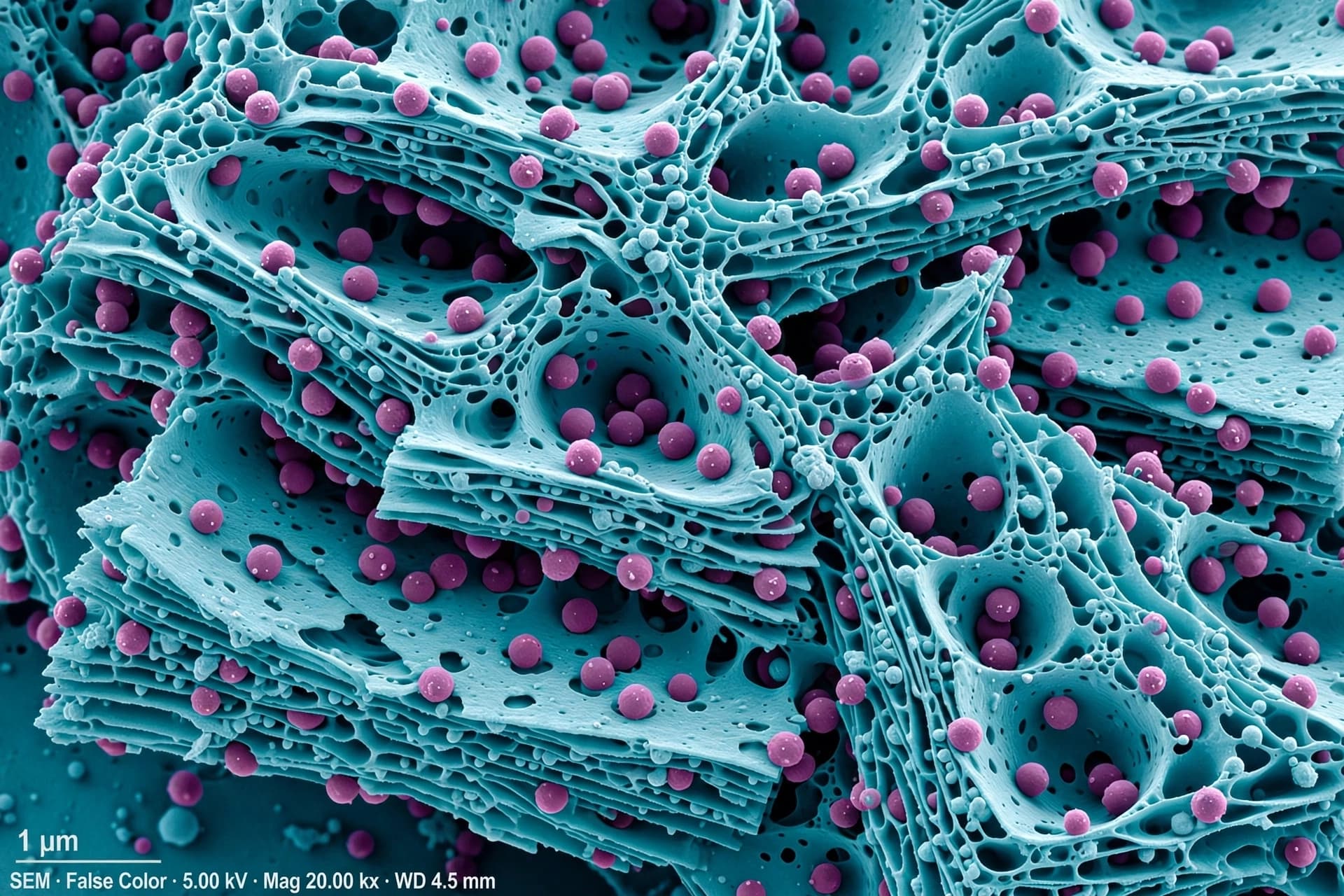
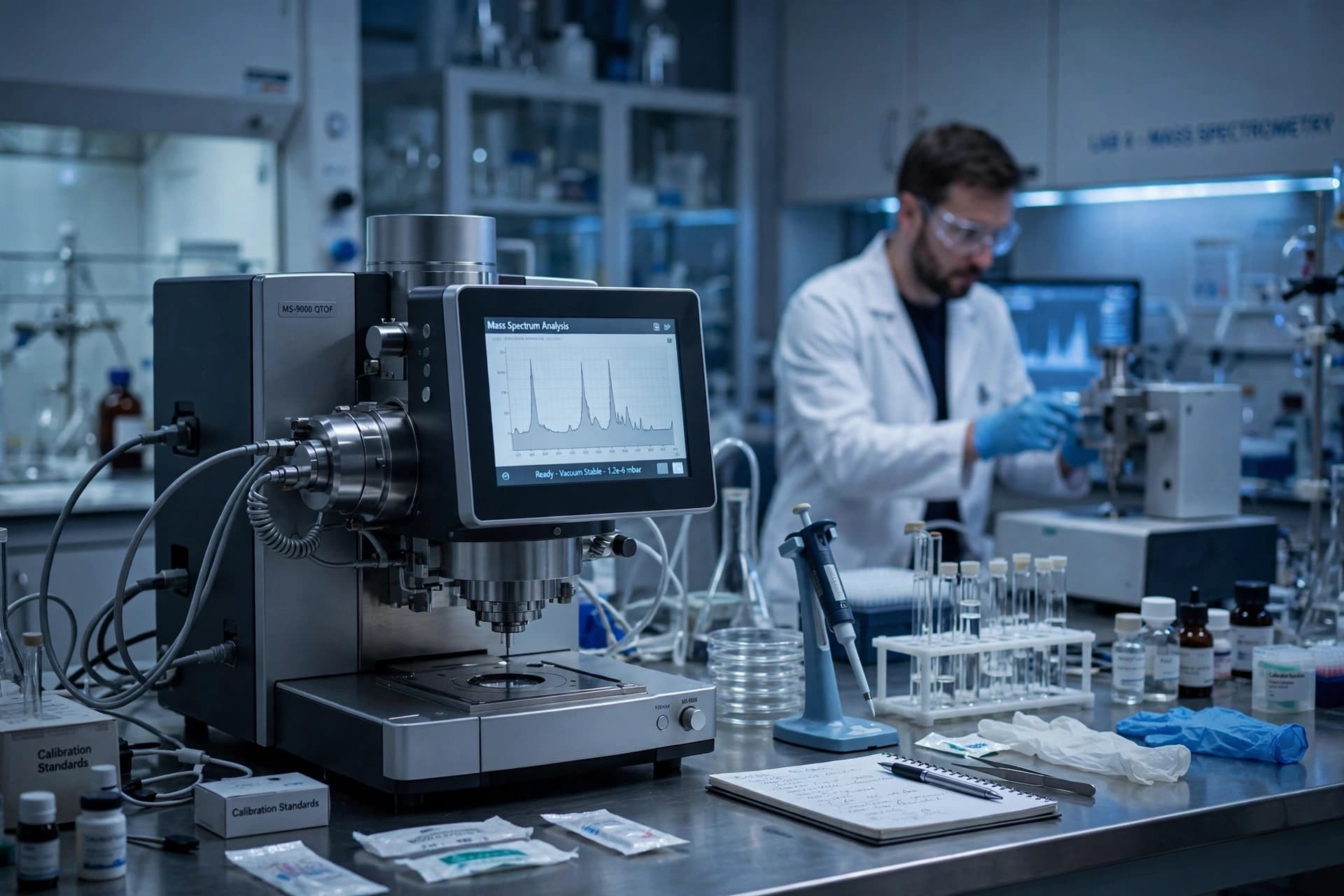
AI Image Disclaimer: This article's image is AI-generated and does not depict actual laboratory equipment or field sites.
Sources: Chemistry World, EurekAlert!, University College Dublin, Science
Published by Banx Network. This article is part of the Banx decentralized media programme, powered by the BXE token on the XRP Ledger.