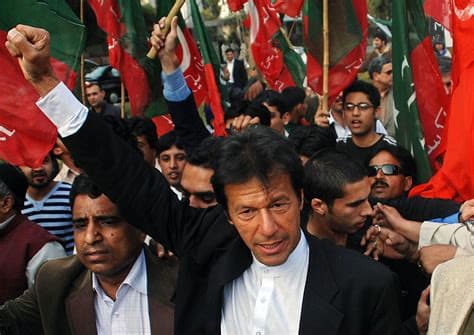
In a chamber where every vote echoes louder than the last ripple in a still lake, the Netherlands found itself at a crossroads. Voters, weary of extremity and impatience, appeared to whisper: enough. The election held on October 29, 2025, for the 150‑seat lower house in the Netherlands brought out nearly full turnout, and it delivered a result heavy with symbolic weight. The centrist liberal party Democrats 66 (D66), led by Rob Jetten, made dramatic gains, while the far‑right Party for Freedom (PVV) led by Geert Wilders faced a clear setback. D66 and the PVV ended up locked on 26 seats each in the near‑complete tally.
What does this mean? For the PVV, which had surged in previous elections and driven the collapse of a right‑wing coalition earlier in 2025, the story is one of momentum lost. From 37 seats in the 2023 election to a projected loss of 11 seats, its path to power has narrowed. For D66, the gains were extraordinary—nearly tripling their representation from what had been a low base, signalling that voters may have shifted away from polarisation toward moderation.
Images by : Ai may contain mistakes.
Published by Banx Network. This article is part of the Banx decentralized media programme, powered by the BXE token on the XRP Ledger.