In a city accustomed to precision and preparedness, even small numbers can carry quiet significance. Thirteen cases may not seem large in a global context, yet in , where public health systems operate with calibrated vigilance, each confirmed measles infection is treated not as a statistic but as a signal. The year has barely unfolded, and already the familiar language of containment and caution has returned to public briefings.
As of mid-February, Singapore has recorded 13 measles cases year-to-date, prompting the Communicable Diseases Agency (CDA) to tighten isolation protocols. Health authorities have reiterated that measles, while preventable through vaccination, remains highly contagious. Even a single imported case can ripple quickly through close-contact settings such as households, schools, and workplaces.
Officials emphasized that the majority of recent cases are linked either to overseas exposure or to individuals with incomplete vaccination histories. Singapore’s immunization coverage remains high, a factor authorities describe as central to preventing wider community transmission. Yet measles’ transmissibility means that vigilance cannot be relaxed.
Under the updated measures, confirmed cases are subject to stricter isolation requirements, with clear guidelines on duration and conditions for release. Close contacts may also face monitoring or temporary restrictions, depending on their vaccination status. The tone from public health officials has been measured, underscoring preparedness rather than alarm.
Measles is transmitted through respiratory droplets and can linger in the air for hours in enclosed spaces. Symptoms typically include high fever, cough, runny nose, inflamed eyes, and a distinctive rash. While many recover fully, complications can occur, particularly in young children, pregnant women, and individuals with weakened immune systems.
Singapore’s approach reflects lessons from past outbreaks, where early detection and rapid contact tracing proved decisive. Digital health records and coordinated hospital reporting systems allow authorities to respond swiftly. Public advisories have encouraged residents to review their vaccination records and seek medical attention if symptoms arise after travel.
At the same time, health officials have sought to reassure the public that there is no evidence of sustained community spread. The tightening of isolation rules appears designed to reinforce containment at an early stage, preventing clusters from forming. In a densely populated urban environment, such precautionary steps are often taken before numbers escalate.
Regional mobility also plays a role. With international travel flows steady, imported cases remain a possibility. Authorities have reminded travelers to ensure vaccinations are up to date, particularly when visiting areas experiencing outbreaks.
For now, daily life in Singapore continues without broad restrictions. Schools and businesses remain open, and no large-scale measures have been introduced. The focus remains targeted and clinical: identify, isolate, monitor.
As of February 15, health authorities continue to track developments closely. Additional updates are expected if case numbers change or if further public health measures become necessary. The current strategy centers on containment, vaccination reinforcement, and timely communication with the public.
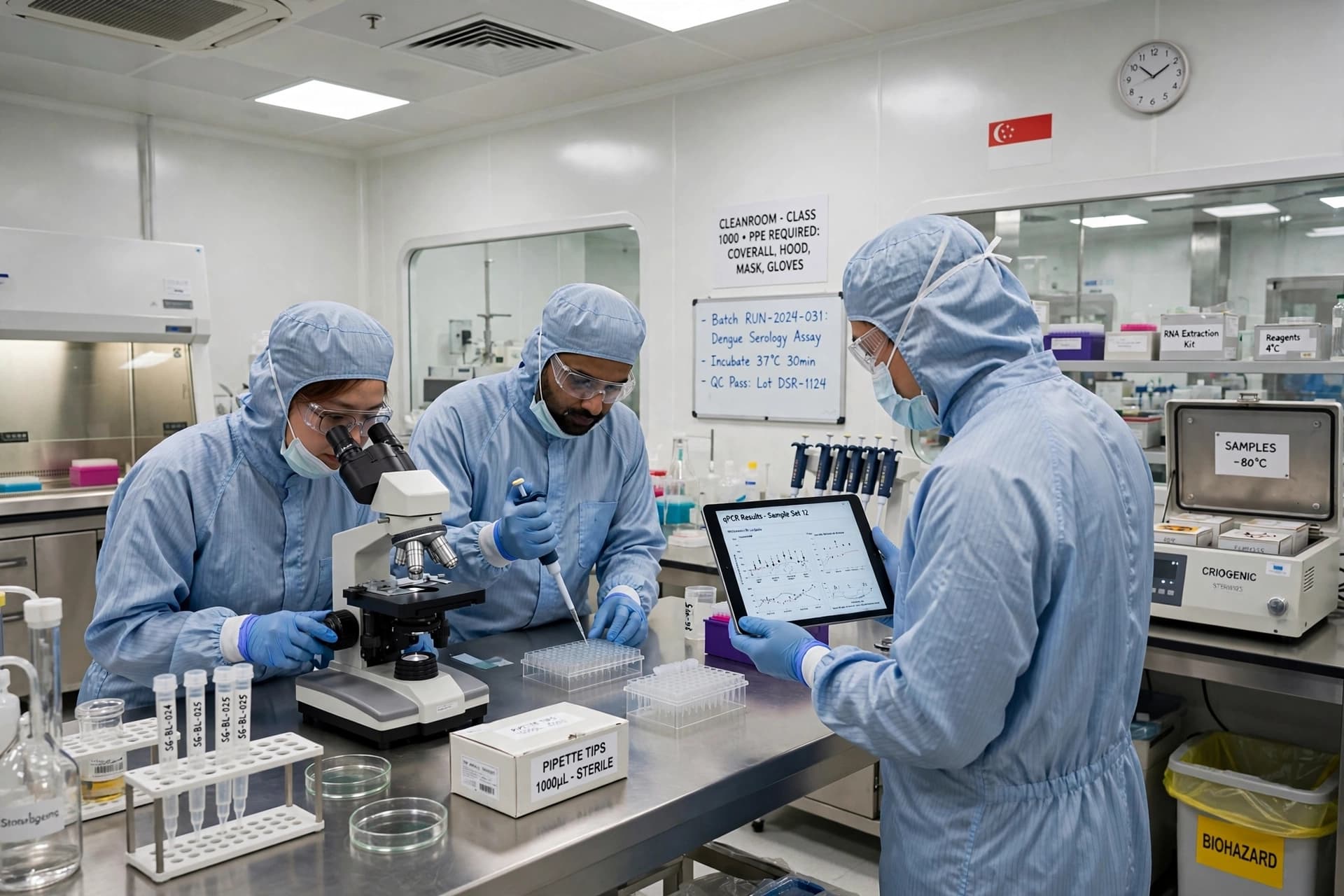
AI Image Disclaimer: Visuals are created with AI tools and are not real photographs.
Sources: The Straits Times Channel NewsAsia Today Reuters Bloomberg
Published by Banx Network. This article is part of the Banx decentralized media programme, powered by the BXE token on the XRP Ledger.