Public health often resembles a carefully maintained bridge stretched across uncertain terrain. For years, advances in medicine, vaccination, and international cooperation strengthened confidence that many deadly outbreaks could be contained more effectively than in the past. Yet a new report warning about the increasing frequency and severity of diseases such as Ebola and hantavirus suggests that parts of the world may be losing ground once believed secure.
Researchers and global health experts behind the report argued that fragile healthcare systems, climate pressures, conflict, and declining trust in institutions are contributing to a more dangerous environment for infectious diseases. Outbreaks once viewed as isolated emergencies are now occurring against a backdrop of growing instability affecting surveillance, prevention, and emergency response capacity.
Ebola, known for severe hemorrhagic symptoms and high fatality rates, has periodically resurfaced across parts of Africa despite decades of international containment efforts. Hantavirus, transmitted primarily through contact with infected rodents, has also drawn renewed concern in several regions due to environmental changes influencing animal populations and human exposure patterns.
The report suggested that climate variability is playing an increasingly important role in disease transmission. Warmer temperatures, flooding, deforestation, and shifting ecosystems can alter how animals, insects, and pathogens interact with human populations. Scientists have repeatedly warned that environmental disruption may expand the geographic reach of several infectious diseases over time.
Global health organizations also continue expressing concern about declining vaccination coverage in some countries following the COVID-19 pandemic. Disruptions to healthcare systems, political tensions, and misinformation campaigns have complicated efforts to maintain routine immunization programs. Experts caution that weakened prevention networks create opportunities for previously controlled diseases to spread more rapidly.
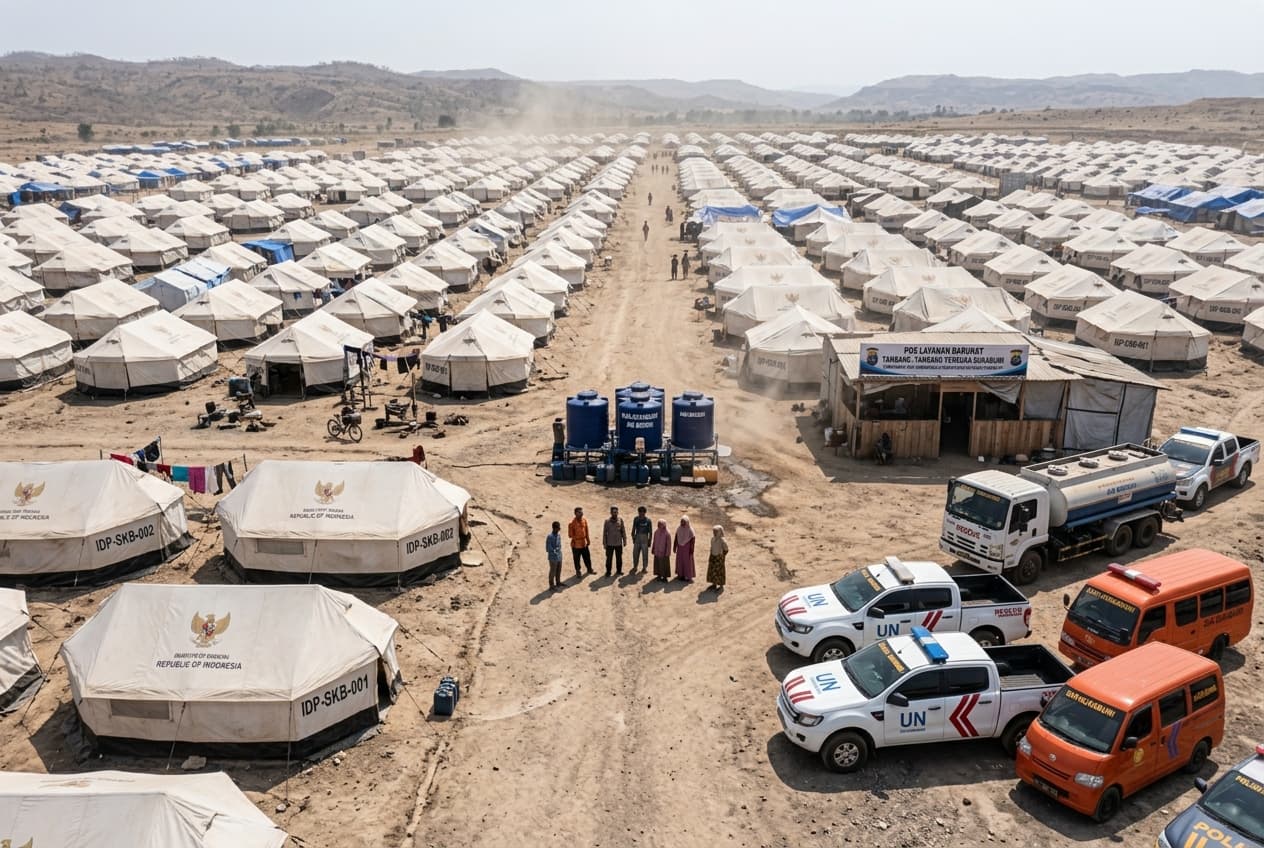
Conflict zones and regions experiencing humanitarian crises remain particularly vulnerable. Medical infrastructure damaged by war or economic collapse often struggles to manage outbreaks effectively. In such environments, shortages of healthcare workers, medication, sanitation systems, and laboratory capacity can quickly intensify public health emergencies.
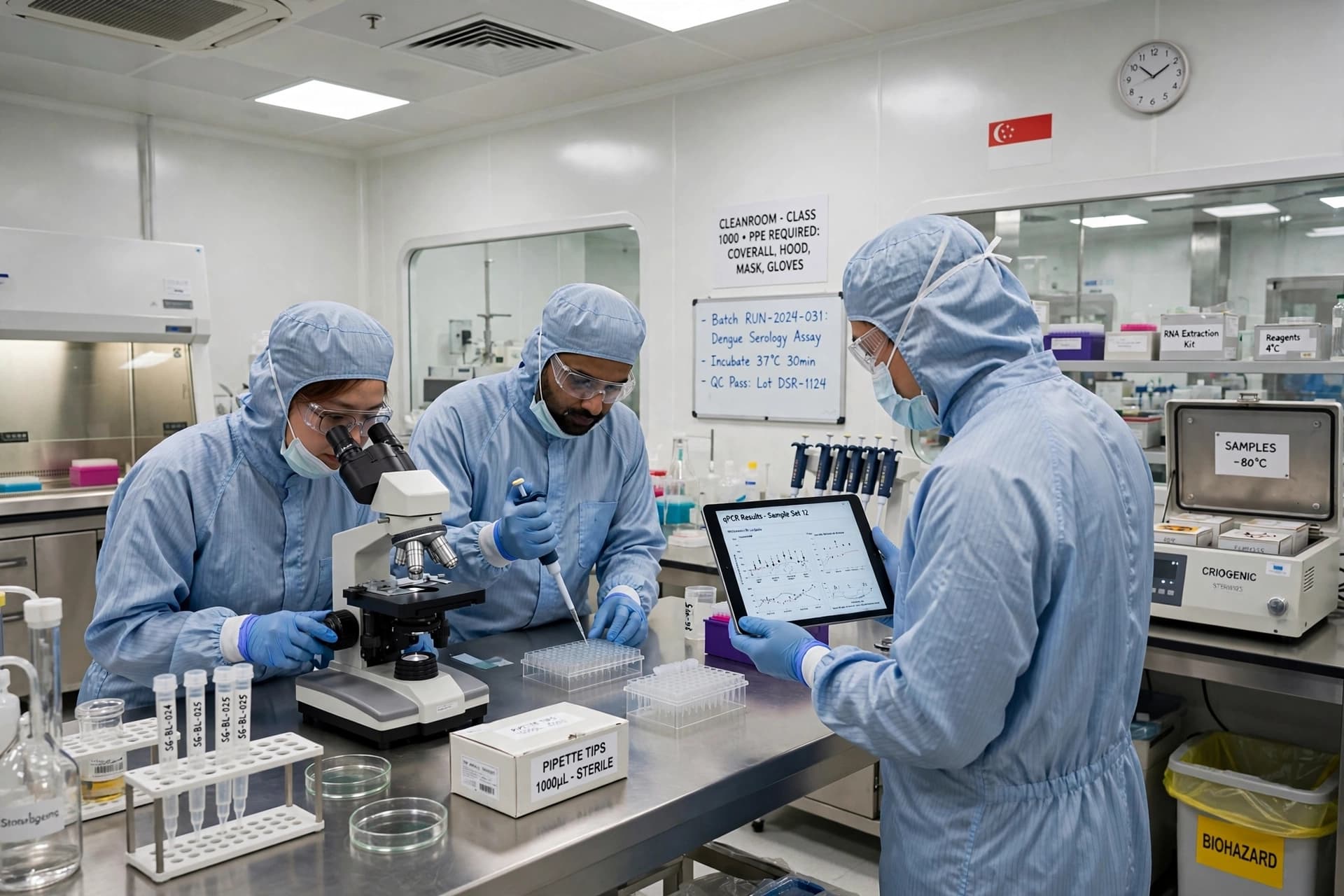
At the same time, researchers emphasized that scientific progress still provides powerful tools for response. Improved genomic surveillance, faster vaccine development platforms, and international coordination mechanisms have strengthened outbreak detection capabilities in many areas. However, experts argue that technology alone cannot compensate for weakened institutions or delayed political action.
The report ultimately described the current moment as a test of global preparedness rather than a prediction of unavoidable catastrophe. Health agencies continue urging governments to invest in prevention systems, strengthen international cooperation, and restore public confidence in medical institutions as disease threats become increasingly interconnected across borders.
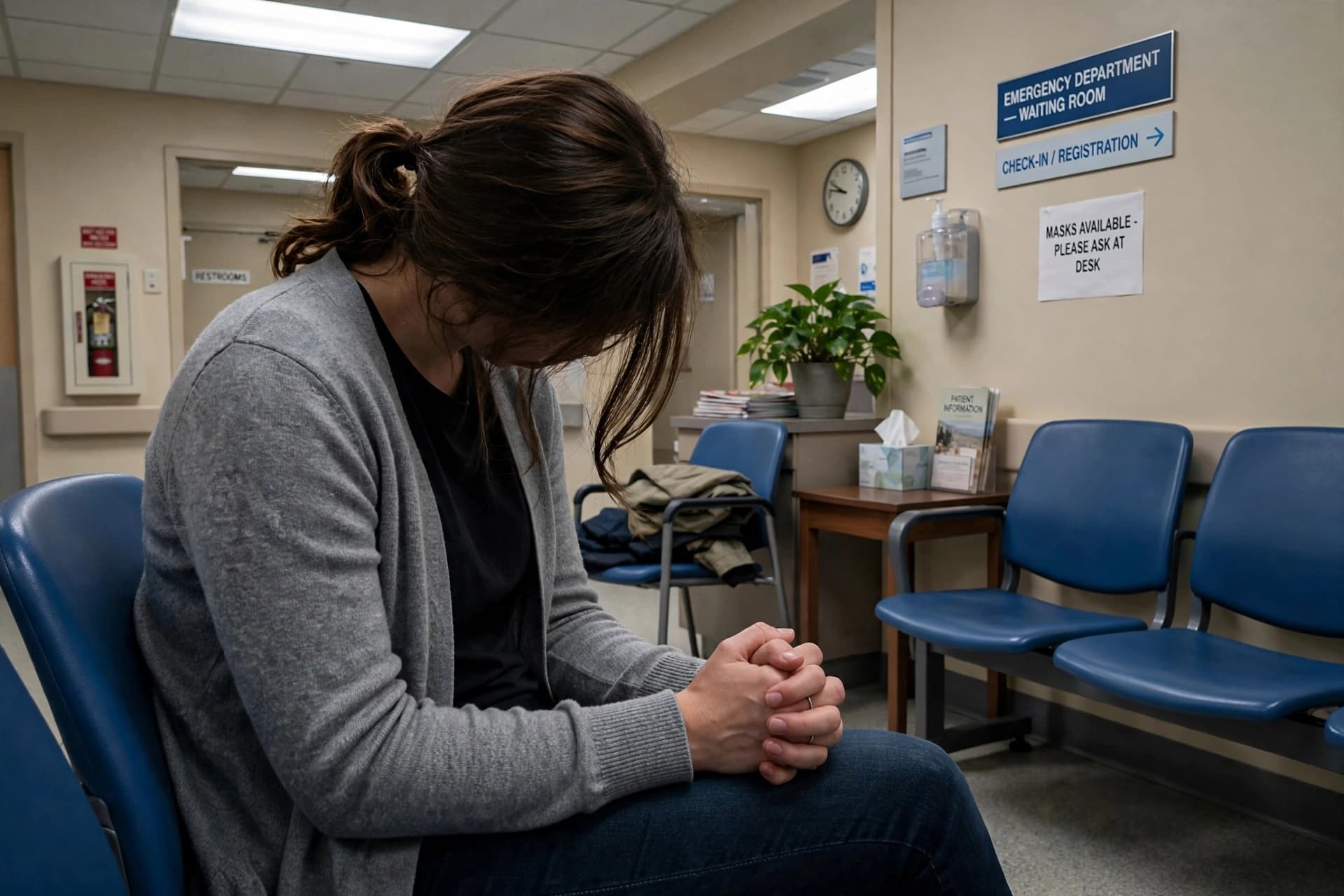
AI Image Disclaimer: Some visual elements associated with this article were generated using AI technology to illustrate laboratory and public health response environments.
Sources: World Health Organization, Reuters, BBC, The Lancet
Published by Banx Network. This article is part of the Banx decentralized media programme, powered by the BXE token on the XRP Ledger.