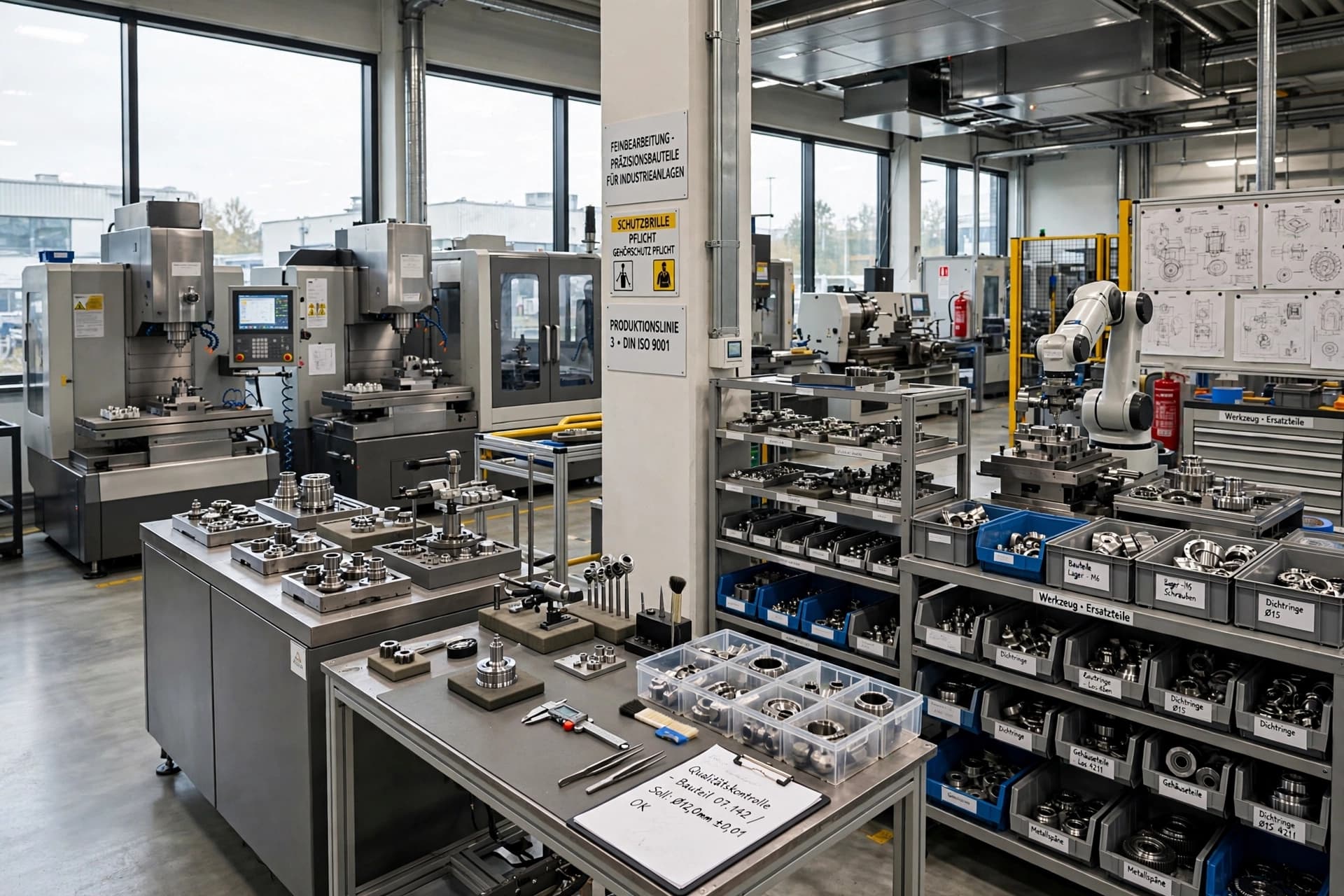
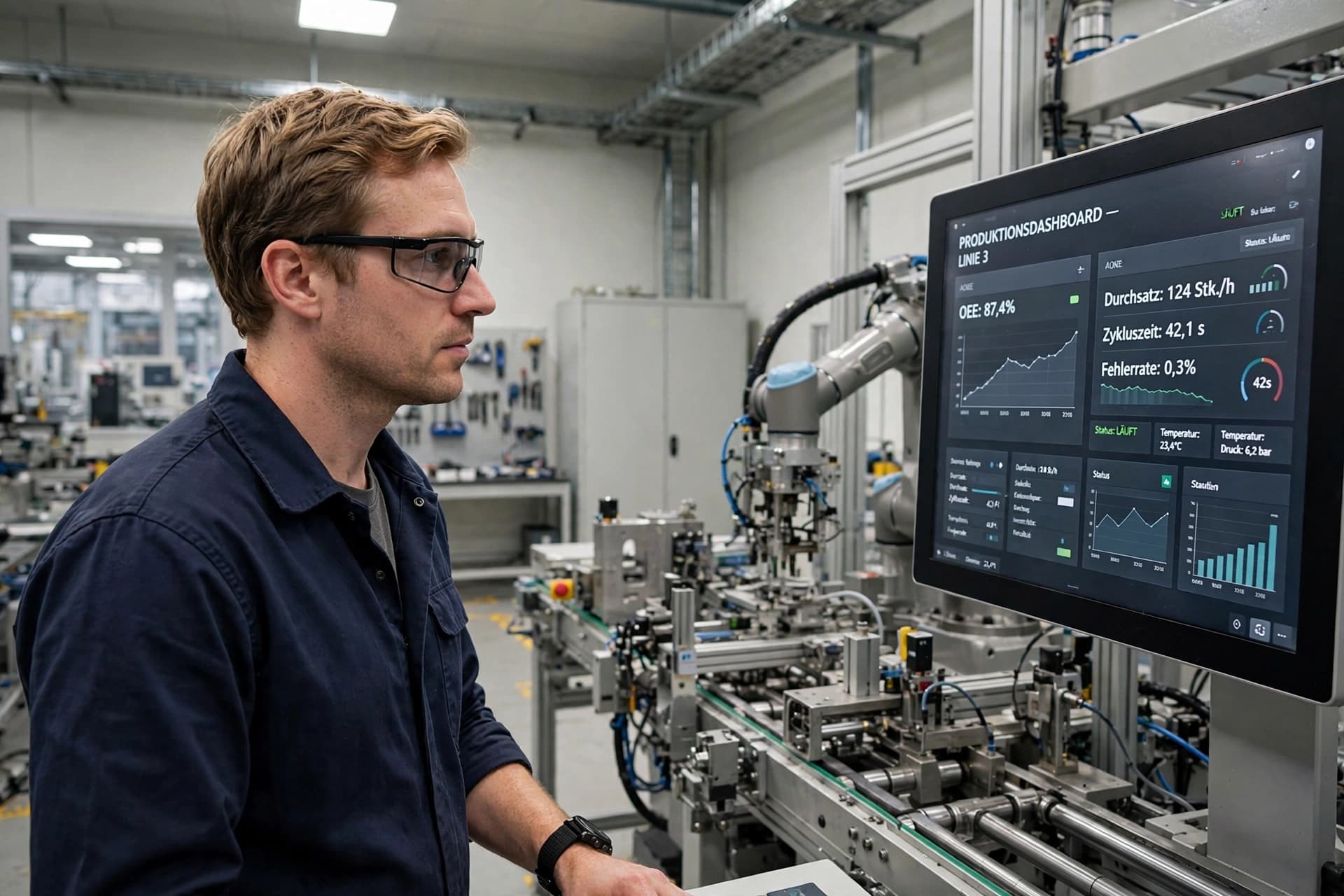
In our modern workflow, the days of flipping between dozens of tabs feel both familiar and tiring — like moving through a house where every room requires its own key. On January 26, 2026, Anthropic took a subtle yet telling step toward changing that experience: the company announced that its AI assistant, Claude, can now host interactive workplace apps directly inside the chat interface itself. Suddenly, familiar tools are no longer distant rooms — they are part of the very space where we converse with AI.
Traditionally, Claude has been a text-centric assistant: a place to ask questions, generate ideas, and receive analysis. With the new interactive apps feature, that role expands into something more hands-on. Users on paid tiers (Pro, Max, Team, and Enterprise) can now connect apps such as Slack, Canva, Figma, Box, Clay, Asana, Hex, Amplitude, and monday.com directly into a Claude conversation. From drafting messages and generating visual charts to organizing project boards and previewing cloud files, these tools are no longer separate destinations — they become extensions of the AI dialogue itself.
Anthropic builds this integration on the Model Context Protocol (MCP), an open standard introduced in 2024 to help AI systems interface with external apps in a secure, consistent way. MCP acts like a common language that both Claude and connected tools understand, enabling real-time interactive interfaces rather than static, text-only responses. In practical terms, that means Claude can propose a Slack message with formatting intact, show a Figma mockup preview, or let you adjust an Asana project plan without jumping back and forth between programs.
This update places Claude in closer competition with similar “apps” systems developed by other labs, most notably OpenAI’s own Apps framework launched last year. Both approaches aim to turn conversational AI into a workspace hub, where intelligence and action coexist. Claude’s implementation, however, leans into live, authenticated sessions of third-party tools, letting users act within those platforms as part of the same conversational flow.
Anthropic also sees this as a complement to its recently introduced Claude Cowork tool — an agentic workflow assistant that can manage multi-stage tasks. While interactive apps aren’t yet live within Cowork, the vision is clear: a future where AI orchestrates complex work across tools and data sources, all from inside the AI’s own environment.
For enterprise customers, this could mean streamlined workflows and fewer context switches. Designers might refine visuals without leaving chat. Project leads could assign tasks and track progress inside the same dialogue where ideas first sparked. Marketers might pull files and build decks without ever opening another tab. For teams who treat collaboration as constant conversation, this shift feels like a natural next step — transforming Claude from a reactive assistant into an active workspace partner.
The update, while powerful, comes with clear boundaries: free users do not yet have access, and sensitive permissions (like financial or personal documents) should be granted with caution, according to Anthropic’s own recommendations.
Integrations like this reflect a broader trend in AI: moving from static responses to integrated experiences, where language models help us do work in the tools we already use every day. Whether this becomes the dominant way we work with AI remains to be seen, but for now the interface between thought and action feels just a little bit closer.
AI Image Disclaimer (Rotated Wording) Visuals are created with AI tools and are not real photographs; they are conceptual representations only.
Sources TechCrunch VentureBeat The Decoder TechBuzz.ai The Verge
Published by Banx Network. This article is part of the Banx decentralized media programme, powered by the BXE token on the XRP Ledger.