The afternoon light filtered through the curtains as she sat quietly, the constant fluttering of her eyelid and cheek a low-rhythm intrusion into stillness. It began subtly, a twitch here, a flicker there—almost a whisper of nerves before it became a conversation she could no longer ignore. For two years, she traced that twitching face in the mirror, consulted doctor after doctor, scanned image after image, and all the while the muscles kept speaking their own language.
She is a woman who for much of her life was comfortable in conversation, confident in laughter and gesture. But when the façade of ease began to crack—first in the dentist’s chair, after a routine filling and anesthetic, then in the strange buzz in her cheek—something changed. The right side of her face began to twitch, no longer under her control. The physical sensation was odd: eyelid closing unexpectedly, lip pulled upward as though by a hidden string. The social effect was profound—once outgoing, she began to retreat. The face that used to connect with others now betrayed her.
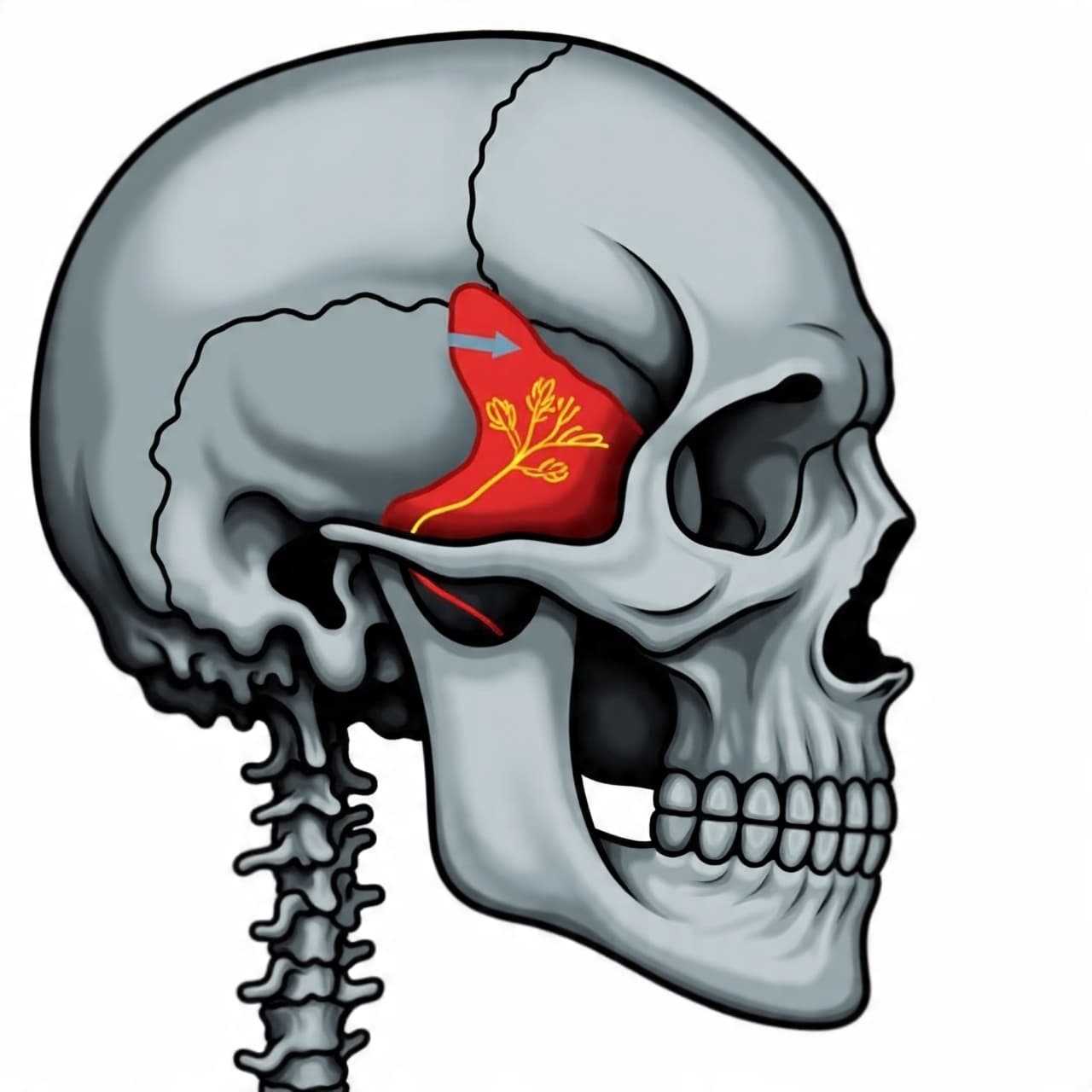
Eight doctors, multiple specialties: ophthalmology, neurology, ENT, dental; three brain scans, an MRA, hours of acupuncture, Botox, muscle relaxants. Yet the verdict remained “unknown cause.” The official label: Hemifacial Spasm of indeterminate origin. Then, a specialist neurosurgeon looked at her scans differently. He saw what others had missed: a small artery pressing on the facial nerve, disrupting signals, triggering muscle contractions constant and unbidden. It is the most common cause of hemifacial spasm: a blood vessel touching or pulsating against the nerve that controls one side of the face.
Once the cause was identified, the treatment offered a more definitive possibility. A microvascular decompression surgery, in which the skull is opened behind the ear and the offending vessel lifted off the nerve, foam placed to maintain separation—this was her answer. And when she woke, the twitching had stopped. Relief flooded in. The mask of involuntary motion had finally lifted.
The journey wasn’t simple. It was long. It came with fear: of being misdiagnosed, of being dismissed, of social isolation, of losing one’s identity when one’s face no longer obeys. It also came with hope: that persistence, self-advocacy, specialist referral might turn the tide. It underlines a broader truth: that when something persists, when the distress is mounting, sometimes the answer lies in finding the right door to knock on.
The case also reminds us of the importance of careful imaging and expert interpretation. A vessel compressing a nerve may not be dramatic on first scan; subtle anatomical details matter. The very physiology of the facial nerve at its exit from the brainstem is such that when a pulsating vessel contacts it, the nerve’s myelin sheath can break down, causing mis-firing and spasms.
And for those experiencing unexplained twitching, this story offers both caution and comfort. Caution: do not ignore persistent, progressive movement of one side of the face. Comfort: sometimes the cause is simple, treatable, and the relief real. Though the path may be long, the destination might be clear.
In this woman’s life the twitching is gone; her social world restored. Yet she carries the memory of every moment when her body moved without her consent, and the quiet determination it required to keep pursuing answers. Her face now reflects not the twitching of nerves but the calm of regained control—a testament to the fact that even the most persistent mystery sometimes resolves in plain anatomical truth.
AI Image Disclaimer Visuals are created with AI tools and are not real photographs.
Sources – The Washington Post – Cleveland Clinic – Mayo Clinic – Penn Medicine – Orlando Health
Published by Banx Network. This article is part of the Banx decentralized media programme, powered by the BXE token on the XRP Ledger.