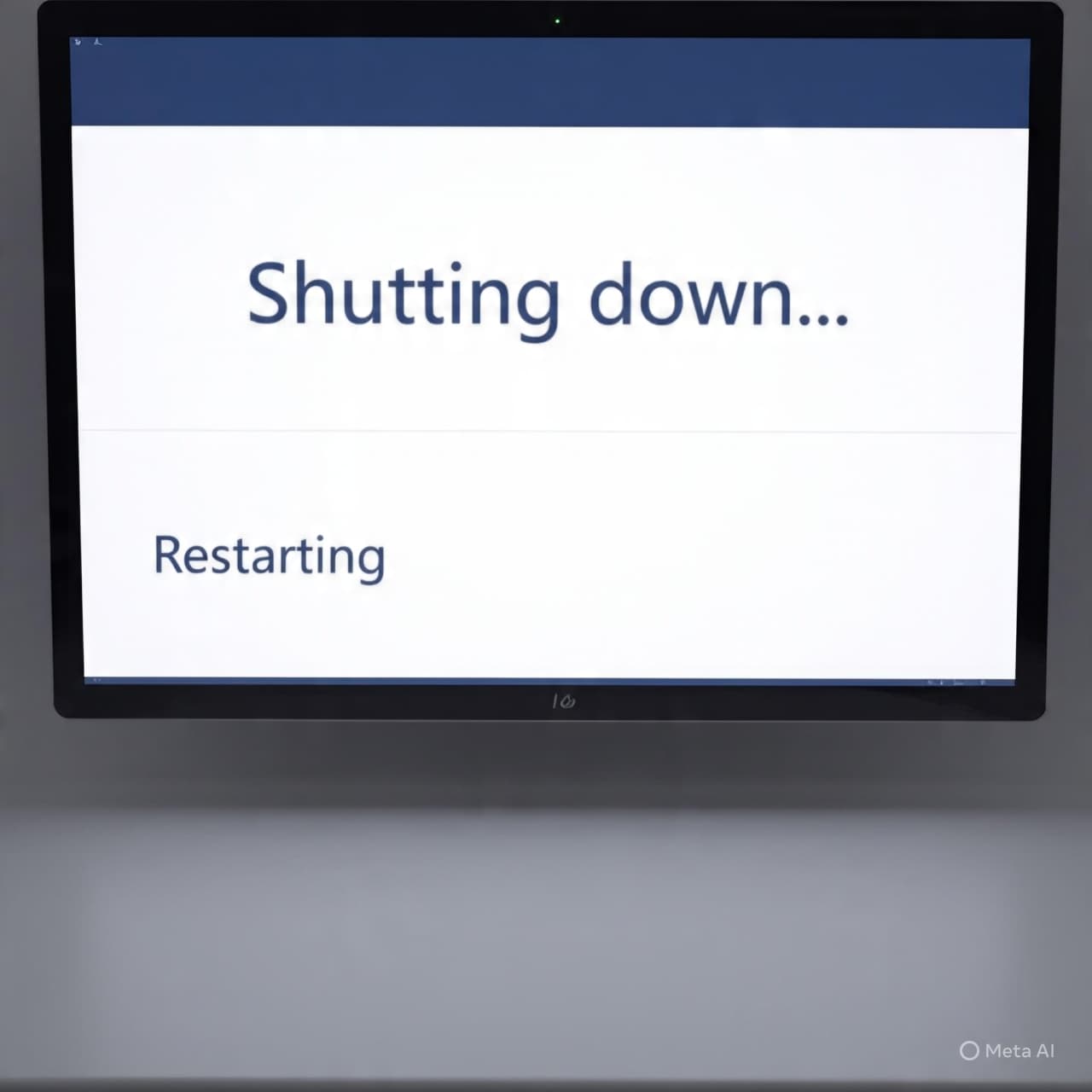
There is a simple comfort in the click of “Shut down” — a button that signals the end of work, the quieting of circuits, the pause in our digital day. Yet in mid‑January, Microsoft’s first major Windows 11 update of 2026 seemed for some users to rethink that ritual, turning what should have been a calm power‑off into an unexpected restart. What was intended as another round of security fixes instead highlighted how even the most routine software maintenance can ripple across devices in ways few anticipate.
On January 13, Microsoft released its January 2026 Patch Tuesday updates for Windows 11, addressing scores of vulnerabilities and quality issues as part of its regular security cadence. But within days, reports began to emerge from users and administrators alike: select machines were no longer obeying the shutdown command. Instead of powering off or entering hibernation, affected PCs — particularly those running Windows 11 23H2 Enterprise or IoT editions with System Guard Secure Launch enabled — simply restarted, as if reluctant to surrender to quiet.
The shutdown behaviour issue is tied to a regression introduced in cumulative update KB5073455. System Guard Secure Launch is a Windows security feature designed to strengthen the boot process against firmware‑level threats. Ironically, it is this very protection that appears to interfere with the power‑state transitions after the patch, turning an ordinary shutdown into an unintended loop back into activity.
Microsoft acknowledged the problem in its support channels and release health dashboards, and by January 17 it issued out‑of‑band (emergency) fixes that aimed to address not only the shutdown bug but also other related issues such as failures in Remote Desktop connections. The corrective updates — delivered quickly by Microsoft’s engineering teams — were meant to restore the expected power downstream and improve login stability across affected devices.
For users caught in this unexpected behaviour, the experience was more than a technical quirk: it drained laptop batteries overnight, disrupted workflows that depend on scheduled shutdowns, and raised concerns about relying on Microsoft’s monthly patching rhythm without interruption. In environments where shutdown and hibernate are part of power management, automation, or maintenance windows, the restart loop complicated otherwise ordinary routines.
As devices update and companies deploy fixes, Microsoft continues to refine its patching process in hopes of preventing similar regressions. But the episode underscores a broader truth about modern software ecosystems: even small changes in deep system components can have wide‑ranging effects. It also illustrates the importance of emergency, out‑of‑band responses — a practice that has become more frequent as complexity and security needs grow.
In straight news terms, Microsoft’s first Windows 11 security update of 2026 caused shutdown and hibernation issues on some devices, particularly those with System Guard Secure Launch enabled. The company has released emergency updates to fix the problem and other related bugs, and encourages users to install the latest patches via Windows Update.
AI Image Disclaimer: Illustrations were produced with AI and serve as conceptual depictions.
Sources: The Verge Windows Central Engadget Bleeping Computer Forbes
Published by Banx Network. This article is part of the Banx decentralized media programme, powered by the BXE token on the XRP Ledger.