The universe often reveals its greatest stories not through what shines most brightly, but through what quietly surrounds it. Between the stars and beyond the visible outlines of galaxies lies an immense reservoir of gas, nearly invisible to ordinary observation yet essential to the life cycle of the cosmos. A newly proposed scientific mission known as Ardua seeks to explore this overlooked frontier by mapping the gas that envelops galaxies, offering researchers a more complete picture of how galaxies form, evolve, and exchange matter with their surroundings.
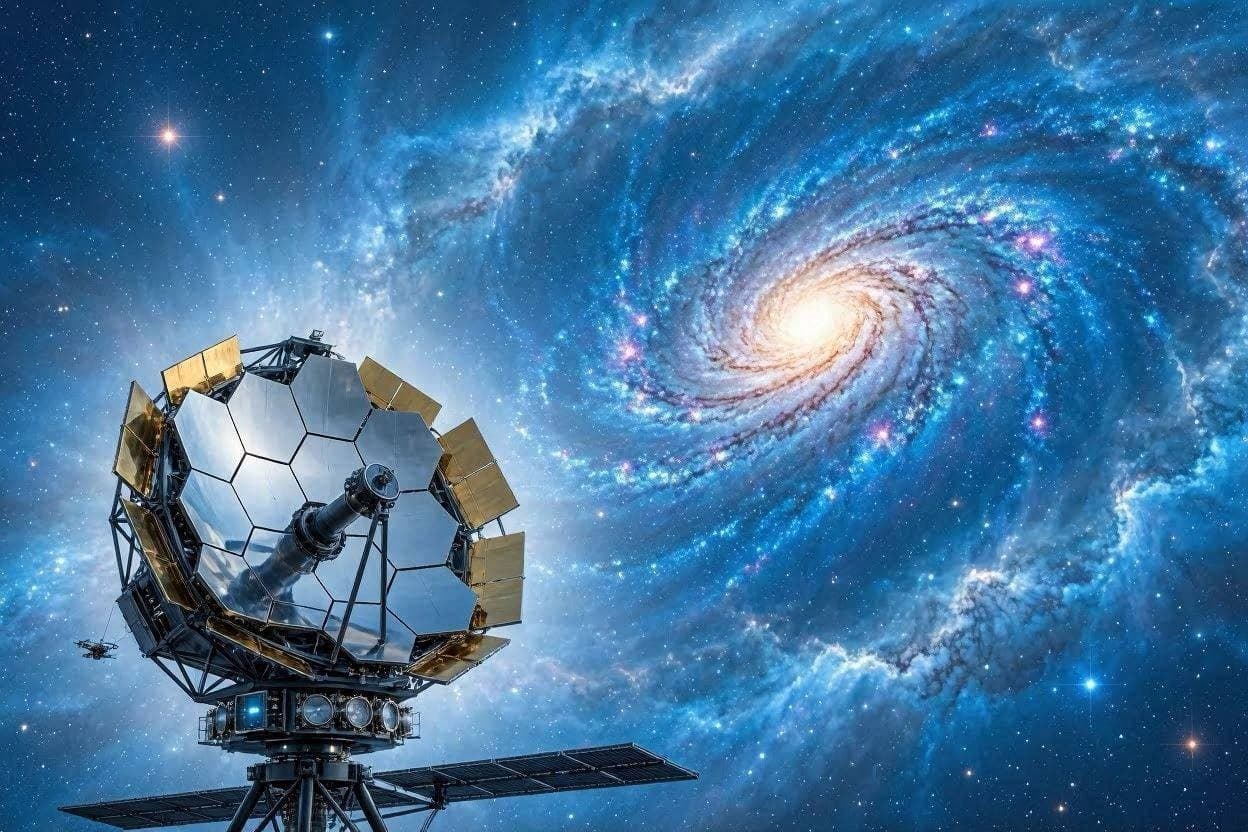
The Ardua mission, described in a recent scientific proposal published on arXiv, outlines a space-based observatory designed to study the circumgalactic medium (CGM)—the vast halo of diffuse gas that extends far beyond a galaxy's visible stars. Although this gas is difficult to detect directly, astronomers believe it plays a crucial role in regulating star formation, recycling material expelled by stellar explosions, and supplying fresh gas that fuels future generations of stars.
Researchers explain that much of the universe's ordinary matter is thought to reside within these extended gaseous halos. By measuring how ultraviolet light from distant quasars passes through the circumgalactic medium, Ardua would allow scientists to identify the composition, temperature, density, and motion of the gas surrounding thousands of galaxies. Such observations could help resolve longstanding questions about the distribution of baryonic matter throughout the universe.
Unlike traditional telescopes that primarily capture visible light, the proposed observatory would focus on ultraviolet spectroscopy. This technique enables scientists to detect the chemical fingerprints left by elements such as hydrogen, oxygen, carbon, and silicon as light travels through otherwise invisible gas clouds. These measurements would provide valuable insights into how galaxies exchange matter with the intergalactic environment.
The mission proposal also highlights the importance of understanding galactic ecosystems rather than viewing galaxies as isolated objects. Gas continuously flows into and out of galaxies through processes driven by gravity, star formation, supernova explosions, and supermassive black holes. Mapping these exchanges could improve theoretical models that describe the evolution of galaxies across billions of years.
If selected for development by future space agencies, Ardua would complement observations made by existing facilities such as the James Webb Space Telescope, the Hubble Space Telescope, and major ground-based observatories. While those instruments provide detailed views of stars and galaxies, Ardua would focus specifically on the faint gaseous structures connecting galaxies to their larger cosmic environments.
At present, Ardua remains a scientific concept rather than an approved mission. The proposal will undergo evaluation by the broader scientific community, where its technical feasibility, scientific objectives, and potential contributions will be carefully assessed. Such reviews are a standard part of the process before major space missions receive funding or formal approval.
Whether or not the mission ultimately proceeds, the proposal reflects the continuing effort to understand the hidden components of the universe. By seeking to map the nearly invisible gas surrounding galaxies, researchers hope to answer fundamental questions about how cosmic structures grow, evolve, and remain connected across vast distances.
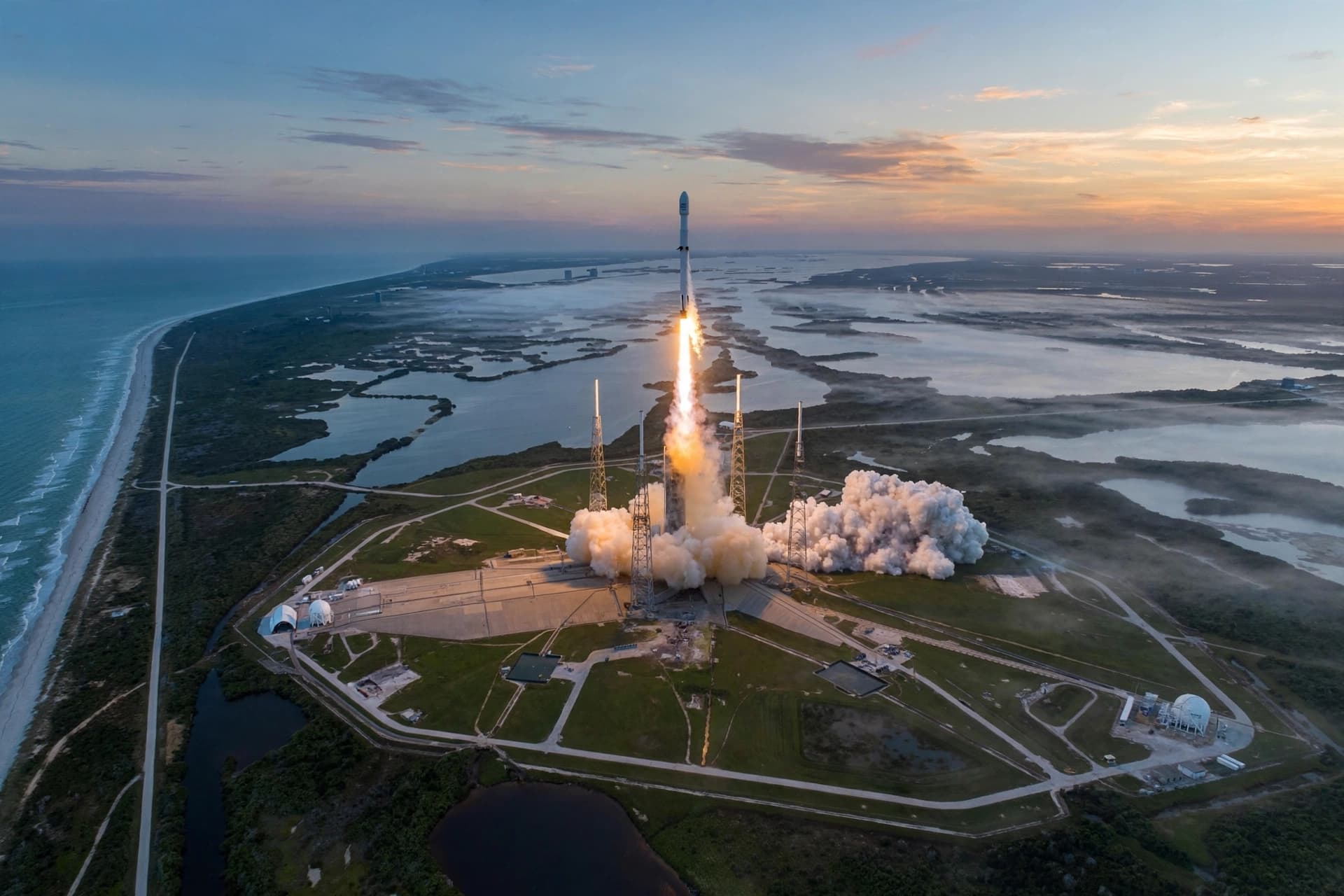
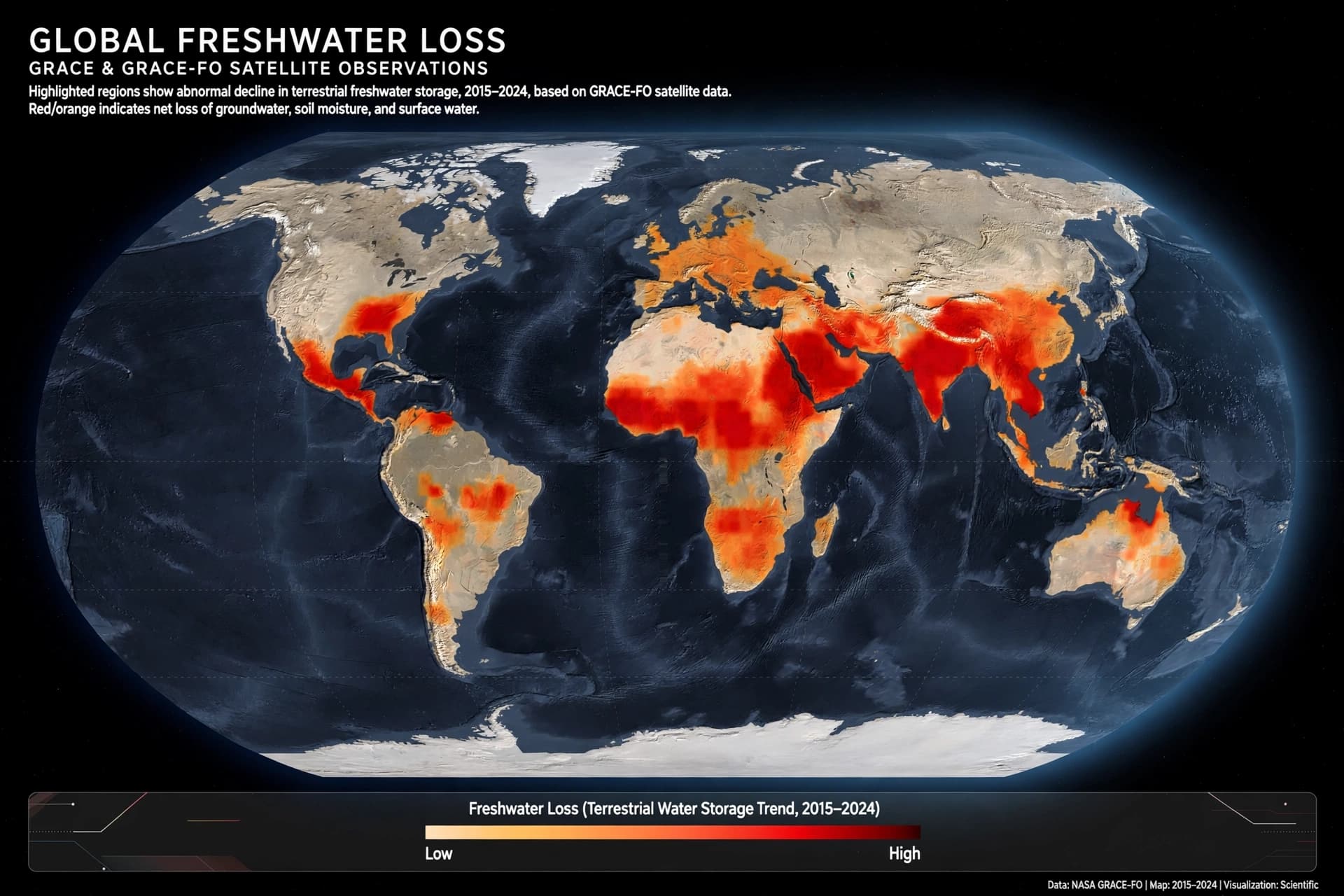
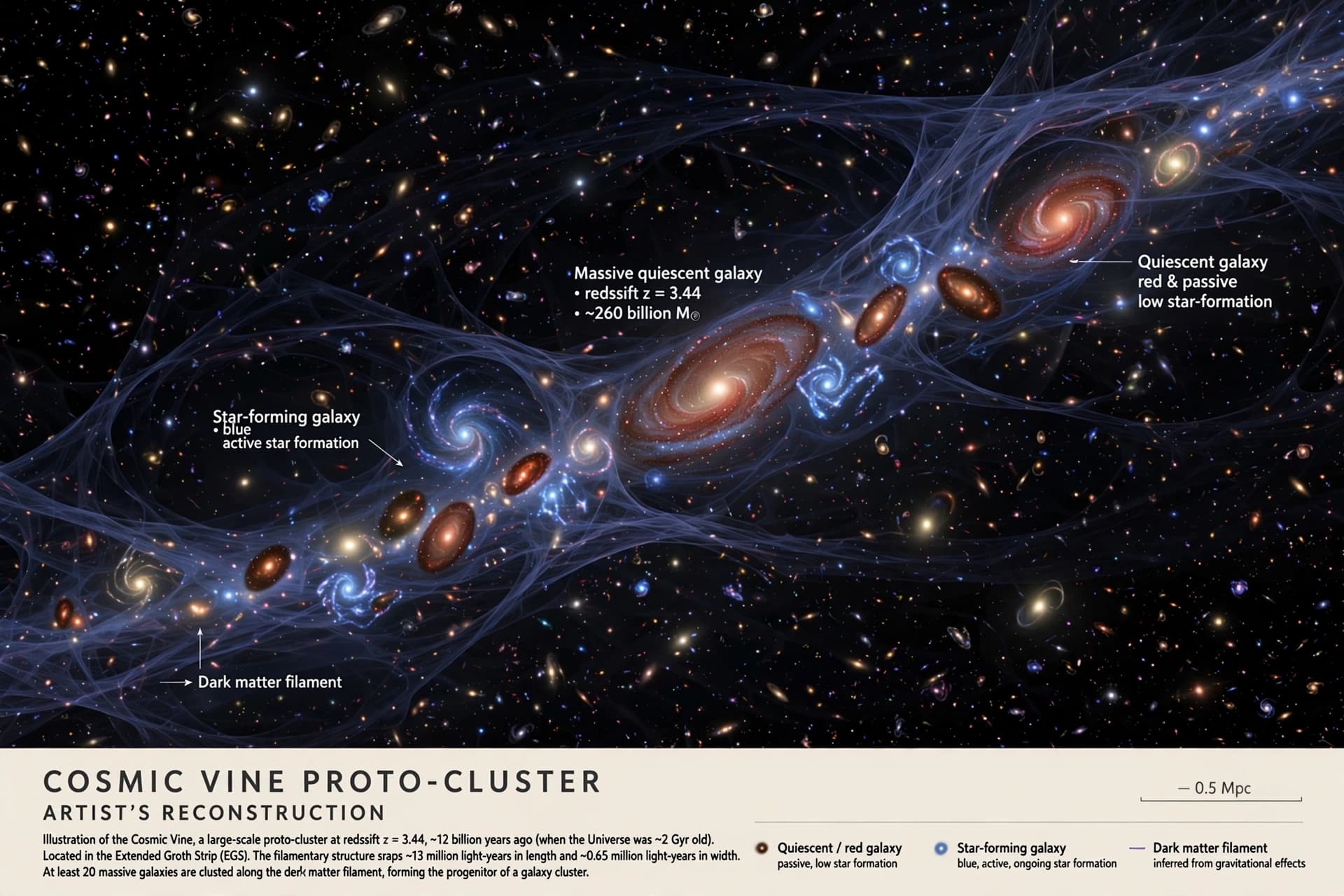
AI Image Disclaimer: The accompanying images are AI-generated artistic visualizations intended to illustrate the proposed Ardua mission and should not be interpreted as official mission imagery.
Sources (verified): arXiv, NASA, European Space Agency (ESA), Astrophysical Journal, Space.com
Published by Banx Network. This article is part of the Banx decentralized media programme, powered by the BXE token on the XRP Ledger.