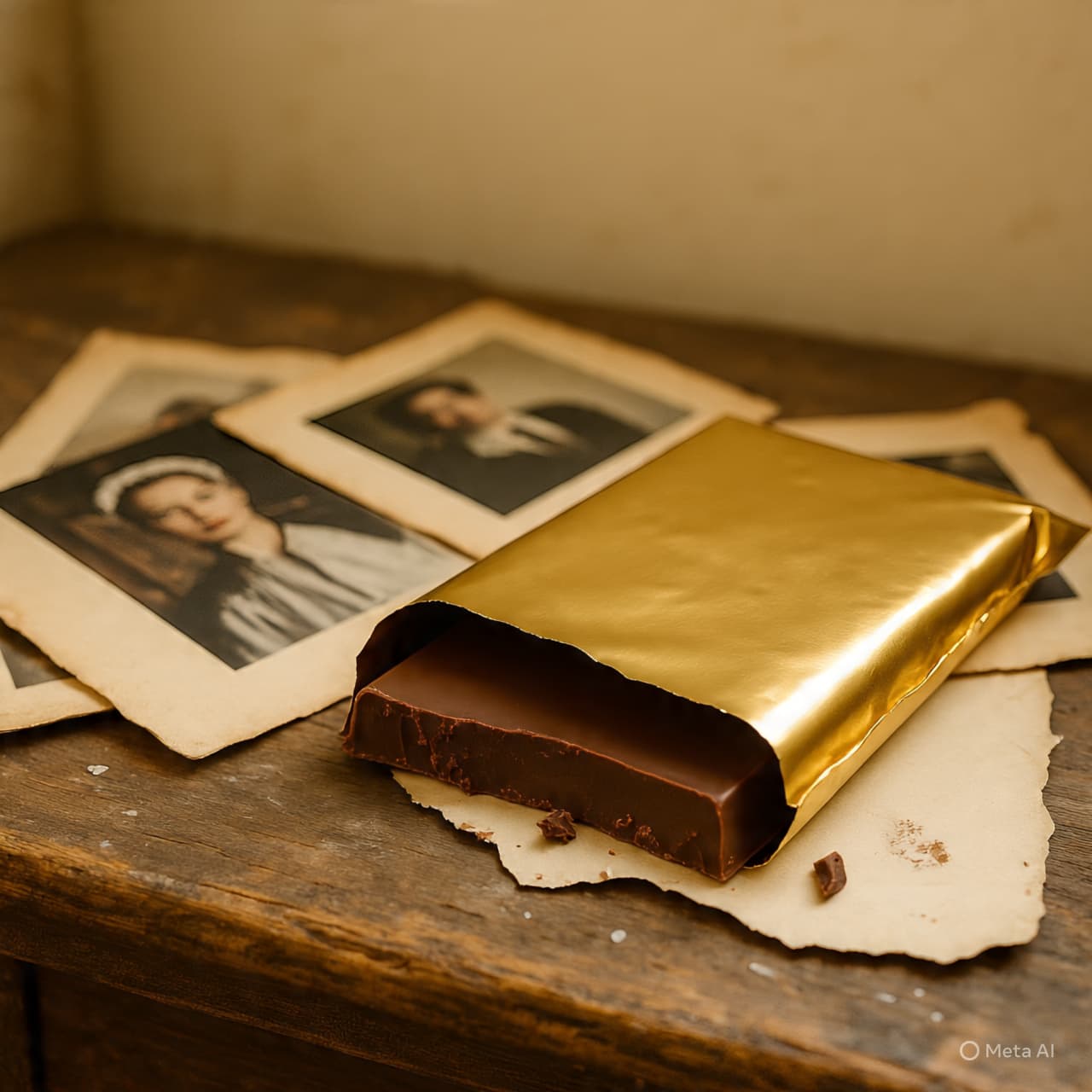
There was a moment when the chocolate bar was everywhere. It sat by checkout counters, slipped easily into backpacks, and dissolved slowly on the tongue during car rides home. Its wrapper was instantly recognizable, its flavor dependable in a way that felt almost personal. Then, without announcement or ceremony, it was gone.
The bar’s disappearance did not arrive as a shock. Sales had softened. Tastes had shifted. Shelves began making room for darker chocolate, reduced sugar, cleaner labels. The old favorite lingered briefly in smaller stores and discount bins, a familiar face fading from circulation, before quietly slipping out of production.
For many, the loss feels disproportionate to the object itself. It was only a candy bar, after all. But food has a way of anchoring memory. One bite could summon a particular year, a school lunchroom, a summer afternoon. When the product vanished, it took with it a small but vivid ritual, one that required no planning and offered no surprises.
Manufacturers rarely frame these decisions sentimentally. Chocolate bars live or die by margins, supply chains, and shelf velocity. Ingredients become expensive. Marketing priorities evolve. Brands consolidate, pruning products that no longer justify their place. What remains is efficiency, not nostalgia.
Still, the absence is noticed. Online forums trade rumors of limited returns. Homemade recreations circulate, chasing a flavor that never quite lands the same. Occasionally, a company hints at revival, only to let the speculation fade. Memory, it turns out, is easier to preserve than taste.
The chocolate bar’s legacy now exists mostly in recollection. It survives in conversations that begin with “Do you remember…” and end with agreement that nothing similar ever replaced it. In a marketplace that celebrates constant novelty, its disappearance serves as a reminder that popularity is temporary, but attachment can be stubbornly enduring.
Somewhere between craving and recollection, the bar still exists—not on shelves, but in the quiet archive of everyday pleasures that once felt permanent.
AI Image Disclaimer Illustrations are AI-generated and intended as conceptual representations.
Sources The New York Times Smithsonian Magazine The Guardian Food & Wine
Published by Banx Network. This article is part of the Banx decentralized media programme, powered by the BXE token on the XRP Ledger.