In the industrial heartland of Michigan, where the rhythm of production has long defined the local identity, a complex economic debate is unfolding. President Donald Trump recently visited the state to defend his tariff policies, framing them as essential tools for protecting American jobs and revitalizing domestic manufacturing. Yet, beneath the rhetoric of national strength, many local business owners report facing significant challenges, from rising costs to disrupted supply chains. This divergence between political promise and economic reality highlights the intricate trade-offs inherent in protectionist policies.
The visit served as a platform for the administration to showcase its commitment to "America First" principles, but it also brought into sharp focus the tangible impacts on the very communities it aims to support. For manufacturers and retailers alike, the tariffs have become a double-edged sword, offering potential long-term benefits while imposing immediate financial burdens.
Body: During his speech in Detroit, President Trump emphasized that tariffs are necessary to level the playing field against foreign competitors, particularly in the automotive and steel sectors. He argued that these measures would encourage companies to bring production back to the United States, thereby creating jobs and strengthening national security. The president’s tone was confident, asserting that short-term pain would lead to long-term gain for the American worker.
However, conversations with local business leaders reveal a different perspective. Many small and medium-sized enterprises report that the increased cost of imported raw materials has squeezed their profit margins. For some, the choice has been between absorbing these costs or passing them on to consumers, both of which risk reducing demand and slowing growth. The uncertainty surrounding future tariff adjustments adds another layer of stress to strategic planning.
The automotive industry, a cornerstone of Michigan’s economy, has been particularly affected. With global supply chains deeply integrated, tariffs on parts and components have disrupted production schedules and increased expenses. While some larger corporations have the resources to adapt, smaller suppliers struggle to navigate the new regulatory landscape, fearing that they may lose contracts to larger, more resilient competitors.
Governor Gretchen Whitmer’s administration has responded by directing state agencies to assess the impact of tariffs on Michigan businesses and help them access refunds where applicable. This effort acknowledges the strain felt by the private sector and seeks to provide some relief through administrative means. It reflects a pragmatic approach to managing the fallout from federal policy decisions.
Despite these challenges, there are voices of support for the tariffs. Some labor unions and domestic producers argue that the measures are finally holding foreign governments accountable for unfair trade practices. They believe that the disruption is a necessary step toward a more balanced and equitable global trading system, one that prioritizes American interests.
The political implications of this divide are significant. As Michigan remains a key swing state, the sentiment of its voters will be closely watched. The ability of the administration to convince residents that the tariffs are working, despite current hardships, will be crucial for maintaining political support in the region.
Community leaders have called for more dialogue between policymakers and business owners. They emphasize the need for policies that are not only ambitious but also practical, ensuring that the transition to a more protected economy does not come at the expense of local stability. The hope is for a collaborative approach that addresses concerns while pursuing national goals.
As the debate continues, the focus remains on finding a balance between protection and prosperity. The experience of Michigan serves as a microcosm of the broader national conversation about trade, globalization, and economic sovereignty.
Closing: President Trump’s defense of tariffs in Michigan underscores the ongoing tension between ideological goals and economic realities. It invites a deeper reflection on how trade policies can be designed to support both national interests and local communities.
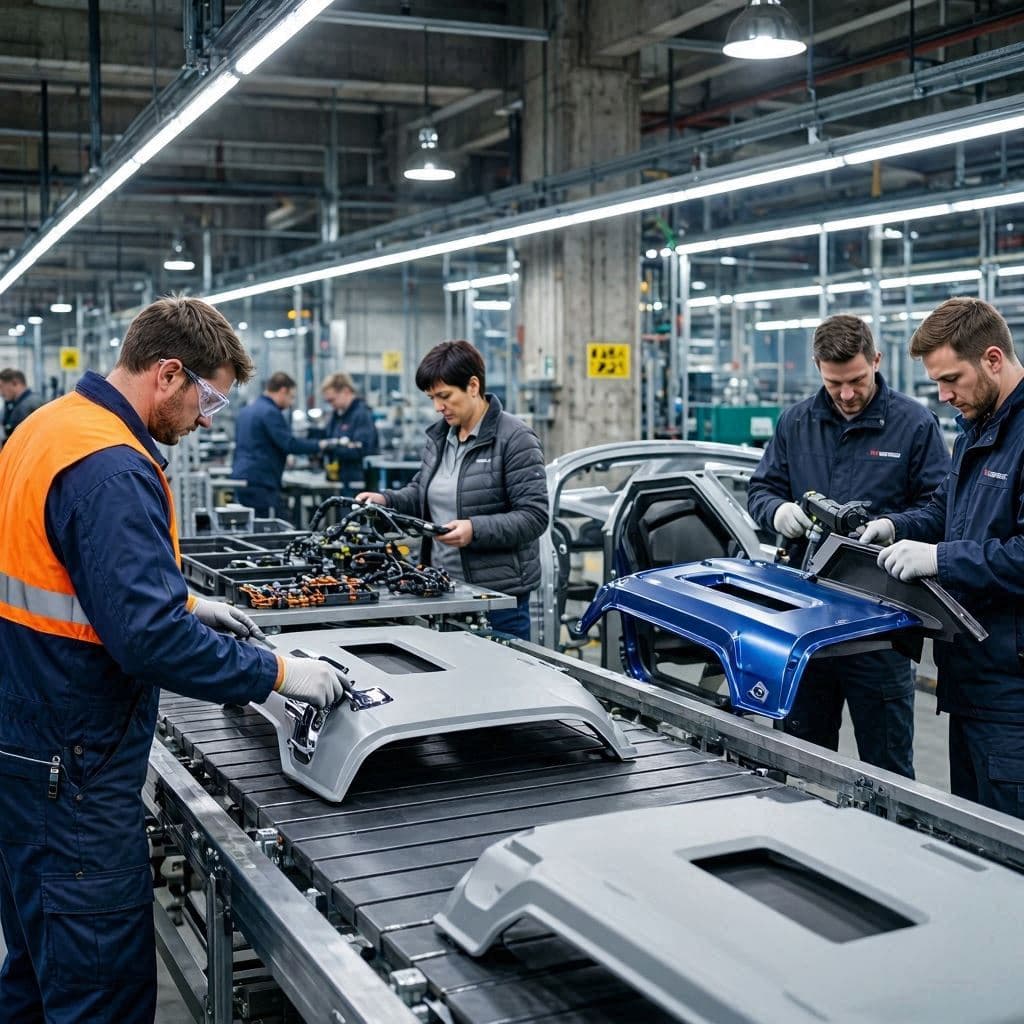
AI Image Disclaimer: The visuals accompanying this article are AI-generated illustrations designed to reflect the themes of industrial policy and economic debate.
Sources: Michigan Public ABC News WJCL Audacy
Published by Banx Network. This article is part of the Banx decentralized media programme, powered by the BXE token on the XRP Ledger.