In the quiet transition of a garden morning, one might expect to find only the soft ripple of water and the rhythmic chirp of birds. Yet, in the modern landscape, even these ancient rituals are being invited into a new conversation. There is a movement afoot, subtle as a rising mist, where the inanimate is beginning to wake up. In China, the boundary between the "smart" and the "simple" is dissolving, much like ink in clear water, as artificial intelligence finds its home in the most unexpected corners of our existence.
This journey toward a fully sentient environment begins, perhaps most visibly, on the wide avenues of the city. The automobile, once a mere vessel for transit, has evolved into a thoughtful companion. It no longer just carries us; it perceives the road with a mechanical empathy, anticipating the flow of traffic and the safety of the pedestrian. But the ambition does not stop at the curb. The same intelligence that guides a ton of steel through a busy intersection is now being shrunken down, distilled like a fine perfume, to inhabit the small wonders of the home. Even the humble birdbath or the backyard planter is being reimagined as a node in a vast, thinking network devices that can monitor the health of nature or adjust themselves to the rhythm of the seasons without a single human command.
As we observe this unfolding era, we see a nation treating AI not as a distant luxury, but as a primary ingredient in the recipe of daily life. It is an "AI Plus" philosophy that seeks to harmonize the efficiency of the silicon chip with the texture of the real world. In the factories, robotic arms move with a newfound grace, learning from the workers they assist, while in the living room, appliances speak a language of data that feels increasingly like a second nature. There is a politeness in this integration a sense that technology is learning to step softly, filling the gaps in our needs before we have even voiced them.
The transition remains a study in steady progress rather than a sudden upheaval. While the global community watches with a mixture of curiosity and caution, the reality on the ground is one of practical application. The goal appears to be a seamless tapestry where the digital and the physical are woven so tightly that the seams are no longer visible. It is a quiet revolution of the everyday, a commitment to seeing intelligence not as an outlier, but as a standard feature of the world we build for ourselves.
In the broader context of global industry, these developments represent a significant step toward a new type of infrastructure. Recent reports indicate that the penetration of AI-enabled devices in China is expected to reach nearly three-quarters of the market within the next few years. As these "intelligent terminals" become commonplace, the focus shifts from the novelty of the technology to its utility in the common sphere. It is a transition handled with a focus on scale and speed, marking a chapter where the high-tech becomes the household, and the extraordinary becomes the expected.
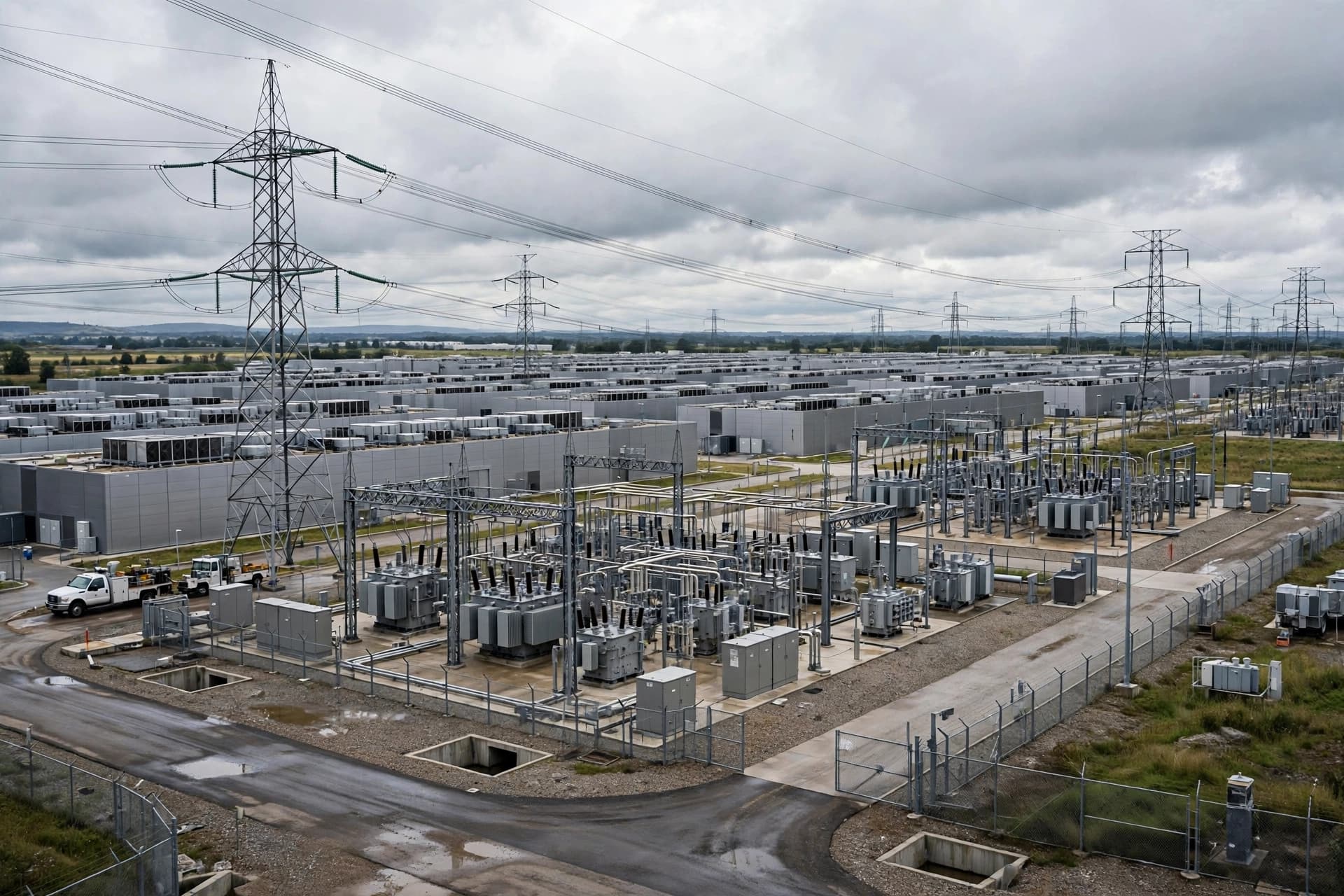
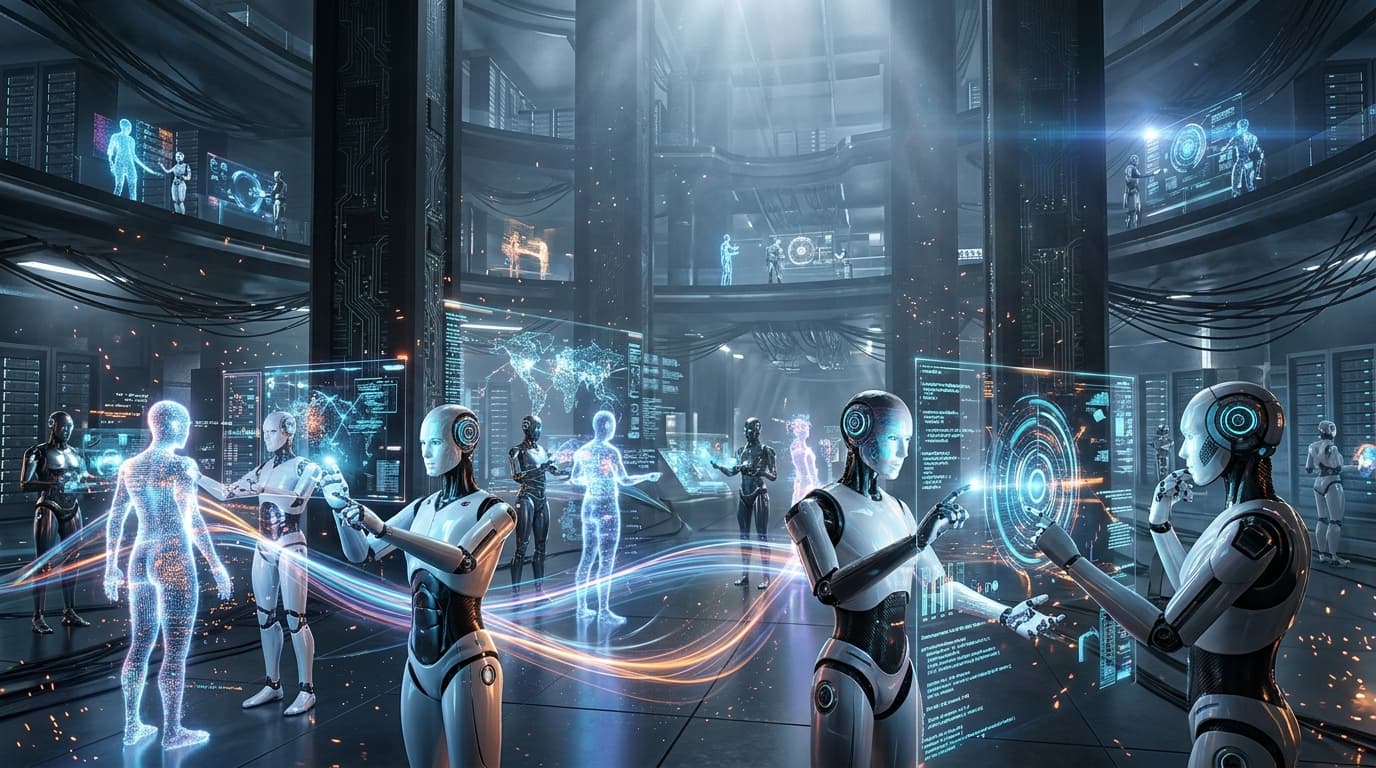
Graphics are AI-generated and intended for representation, not reality.
Source Check Media Names: Bird & Bird (TMT Review), World Economic Forum, McKinsey & Company, Chinadaily, Merics (Mercator Institute for China Studies).
Published by Banx Network. This article is part of the Banx decentralized media programme, powered by the BXE token on the XRP Ledger.