Across the vast expanse of 63 light-years, a faint whisper has reached our ears. Scientists have detected radio signals emanating from an exoplanet, a milestone that marks a new era in our ability to study distant worlds. These signals, likely generated by the interaction between the planet’s magnetic field and its host star, are not messages from intelligent life but natural phenomena that reveal the hidden dynamics of alien atmospheres. It is a moment of profound connection, bridging the gap between our solar system and the cosmos beyond.
The exoplanet, known as YZ Ceti b, is a rocky world orbiting a red dwarf star. Red dwarfs are common in our galaxy but are often volatile, emitting powerful flares that can strip away planetary atmospheres. The detection of radio emissions suggests that YZ Ceti b possesses a magnetic field strong enough to withstand this stellar wind. This magnetic shield is crucial for protecting any potential atmosphere, making the planet a more compelling candidate for habitability studies.
The radio signals were captured using low-frequency arrays, which are sensitive to the specific wavelengths produced by auroral processes. Similar to Jupiter’s interaction with its moon Io, the planet’s magnetic field interacts with charged particles from the star, creating a cycle of energy that emits radio waves. This "star-planet interaction" provides a unique window into the physical properties of the exoplanet, such as its rotation rate and magnetic strength.
For astronomers, this discovery validates a new method for characterizing exoplanets. Traditional methods rely on transits or radial velocity, which offer limited information about magnetic fields. Radio astronomy opens a new dimension, allowing scientists to probe the invisible forces that shape planetary environments. It is a technological triumph that expands the toolkit of cosmic exploration.
The implications for the search for life are subtle but significant. While the radio signals themselves are not biosignatures, the presence of a magnetic field is a key ingredient for maintaining stable conditions. Without such protection, a planet’s atmosphere could be eroded, leaving it barren and exposed. Understanding which planets have these shields helps prioritize targets for future missions seeking signs of life.
Public interest in such discoveries often leans toward the possibility of extraterrestrial intelligence. While this signal is natural, it captures the imagination by demonstrating that we can "hear" the activity of distant worlds. It transforms the universe from a silent void into a place of dynamic interaction, where planets and stars engage in complex dances of energy and matter.
As technology improves, we may detect similar signals from other exoplanets, building a catalog of magnetic worlds. This data will help refine models of planetary formation and evolution, offering insights into how common Earth-like conditions might be. The journey of discovery is just beginning, with each signal adding depth to our understanding of the galaxy.
The detection of radio signals from YZ Ceti b is a significant advancement in exoplanet science. It highlights the importance of magnetic fields in planetary stability and opens new avenues for observation. As we continue to listen to the cosmos, we gain a richer understanding of the diverse environments that exist beyond our solar system.
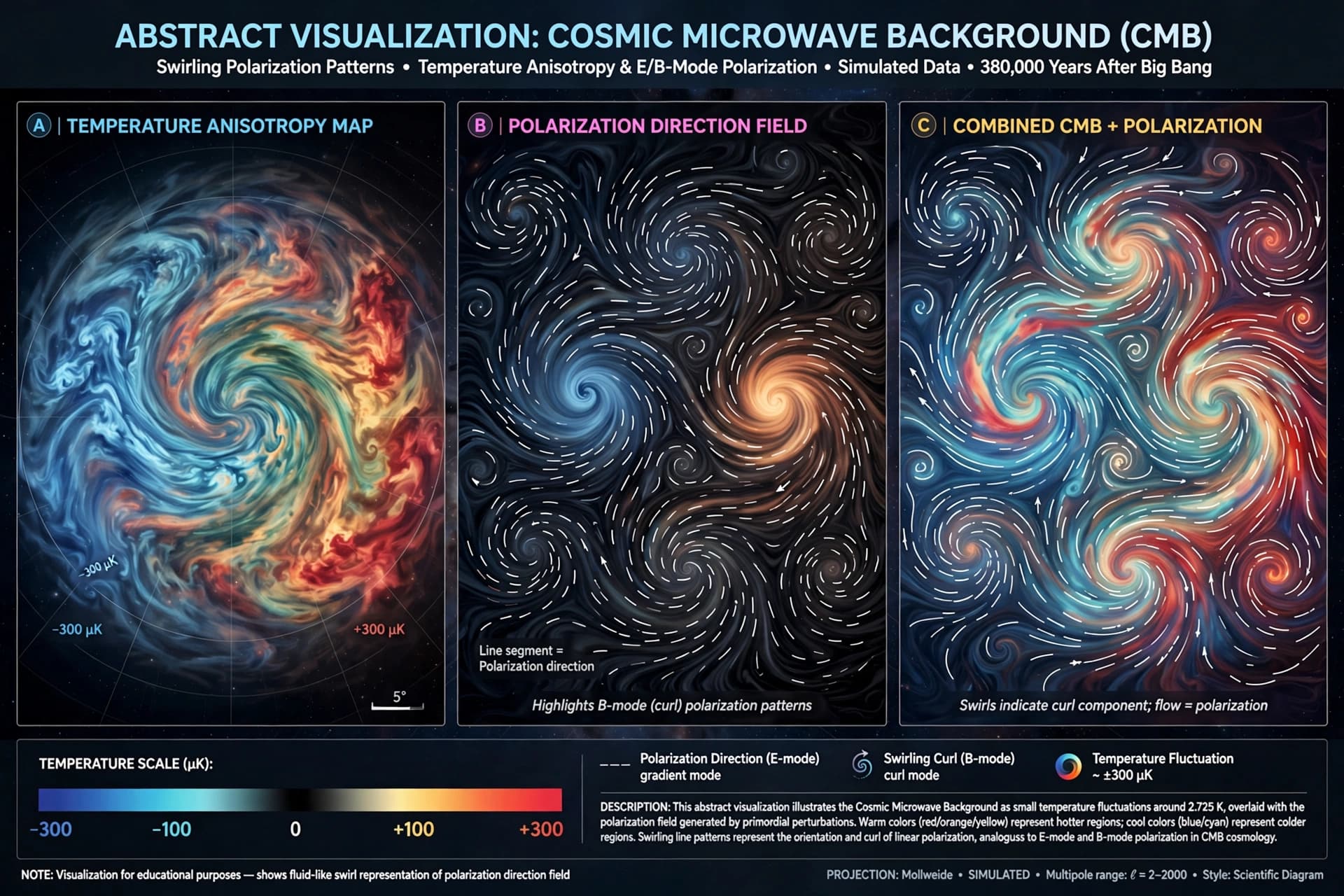
AI Image Disclaimer: The visuals in this article are AI-generated artistic interpretations of radio astronomy and exoplanetary systems, not actual data visualizations or photographs.
Sources: The Astrophysical Journal Cornell University Chronicle Space.com
Published by Banx Network. This article is part of the Banx decentralized media programme, powered by the BXE token on the XRP Ledger.