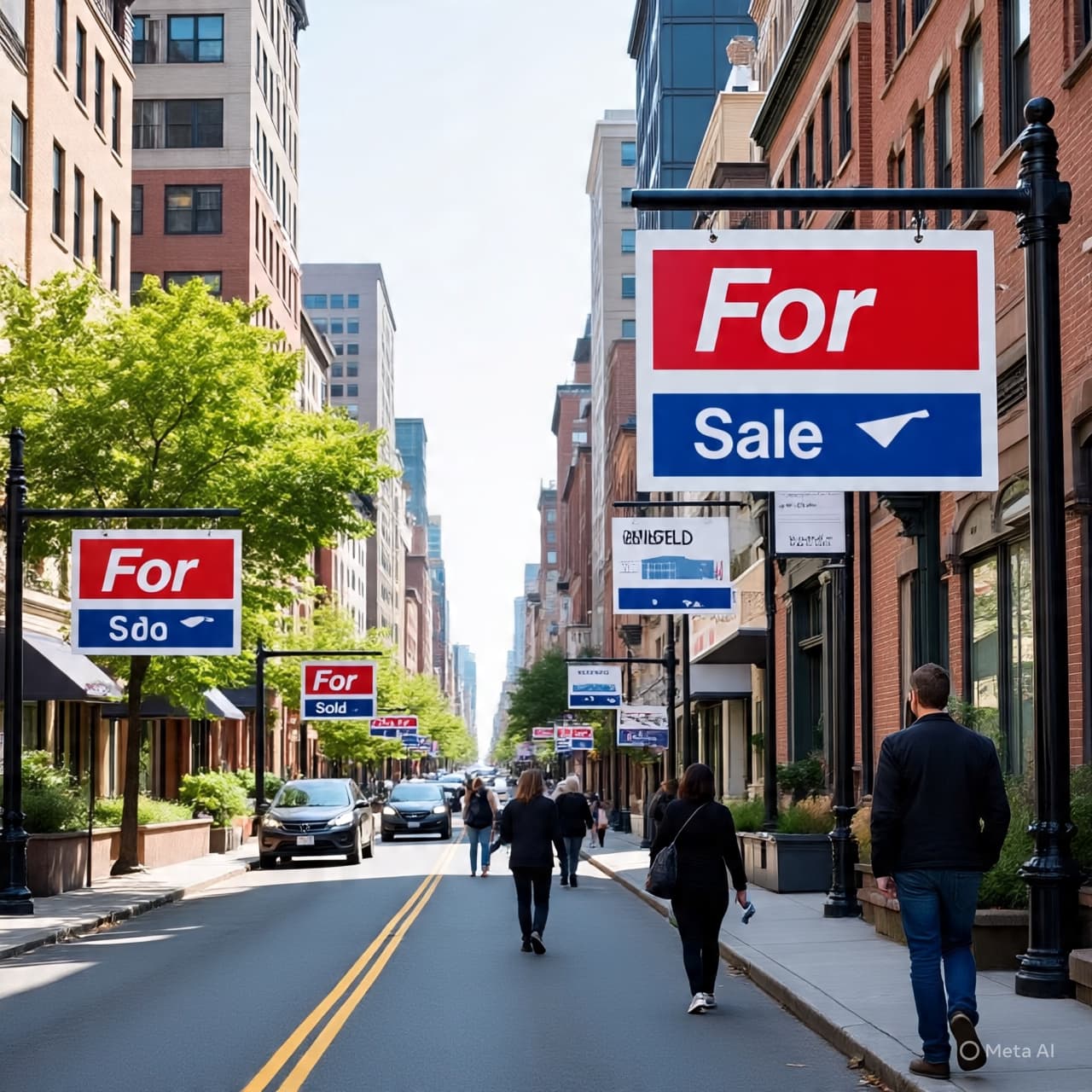
The quest for an American home has long been woven into the nation’s narrative — a symbol of independence, stability, and the promise of prosperity. But today, that promise feels increasingly out of reach for millions of families squeezed by high prices, scarce inventory, and rising mortgage costs. In the midst of this deepening housing squeeze, President Donald Trump has cast Wall Street and large institutional investors as the villains standing between ordinary Americans and the keys to their dream. Yet beneath the political rhetoric lies a far more complex picture — and one that suggests America’s housing problems aren’t rooted in a single antagonist, but in structural forces that have accumulated over decades.
In January 2026, Trump announced plans to ban large institutional investors from buying single‑family homes, framing the move as a way to protect homeownership. He argued that “people live in homes, not corporations” and urged Congress to codify the ban — a proposal that sent shockwaves through markets and drew bipartisan debate. Yet, by most expert accounts, Wall Street’s share of the housing market is surprisingly modest. Institutional players like private equity firms and REITs own only a small slice of the nation’s single‑family homes, and their purchases account for just a fraction of all home sales. Shrinking investor participation and tightening credit conditions have reduced their footprint over recent years, suggesting that focusing solely on Wall Street may miss the larger picture.
The greatest challenge to affordability isn’t simply who owns homes — it’s that there aren’t enough homes to begin with. Economists estimate the United States needs millions more houses to meet demand and return prices to more affordable levels. Even if institutional investors ceased purchasing properties entirely, the supply shortage would persist. Tight zoning rules, restrictive land‑use policies, and slow permitting processes have choked new construction in many regions, especially in fast‑growing metropolitan areas where demand runs highest.
Trump’s housing rhetoric also included a pledge to have the federal government purchase $200 billion in mortgage bonds through entities like Fannie Mae and Freddie Mac, with the aim of pushing down mortgage rates and monthly payments. While lowering rates could offer some relief, housing analysts warn that even significant mortgage bond buying won’t create new homes or fix entrenched supply constraints.
Critics argue that targeting Wall Street is politically attractive because it gives a clear antagonist to rally against, especially in an election year when economic concerns resonate deeply with voters. But this simplified narrative risks overlooking the deeper, more entrenched issues that have driven housing costs upward: insufficient construction, local resistance to development, and rising material and labor costs. Fixing these problems requires cooperation among federal, state, and local governments — not just blocking financial players from the market.
Housing affordability is not a morality play, nor is it a simple villain‑versus‑victim story. It is the result of decades of policy choices, economic shifts, and structural constraints that will not be solved by pointing fingers at Wall Street. Real solutions will demand building more homes, reforming outdated zoning laws, and confronting political resistance that has long stymied meaningful change. In the end, casting the wrong adversary may distract from the right work that must be done to restore the American Dream of homeownership for millions.
AI Image Disclaimer Visuals are created with AI tools and are not real photographs, intended for concept illustration only.
Sources CNN Business / Yahoo Finance — Analysis: Trump’s housing plan casts Wall Street as the villain. He’s got the wrong guy (Trump’s plan, criticisms, housing supply issues). AP News — Trump says he wants to ban large investors from buying homes (policy announcement and context). MarketWatch — Why banning institutional investors won’t bring down housing costs (affordability and expert views). The Guardian — Trump says he will ban big investors from buying homes (policy overview and reactions). Bloomberg — Trump bid to block corporate homebuying blindsides Wall Street (Wall Street investor context).
Published by Banx Network. This article is part of the Banx decentralized media programme, powered by the BXE token on the XRP Ledger.