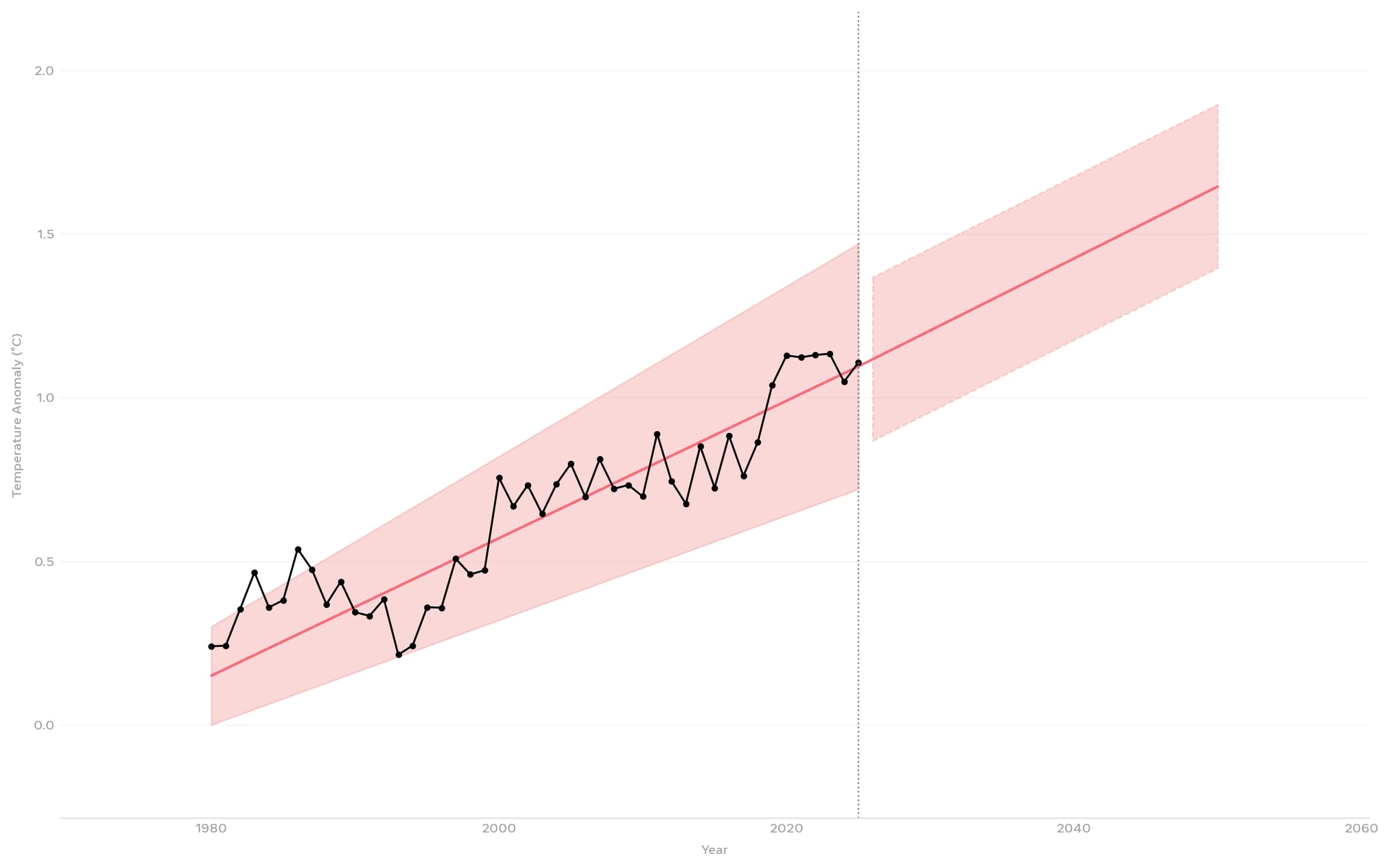
On a planet that has grown noticeably warmer over generations, even small ripples of uncertainty in how we measure change can stir deep reflection among scientists and the public alike. New analytical data published in mid‑December 2025 has sparked fresh discussion in the climate science community about the precise degree to which the Earth has warmed in recent decades. While no scientist disputes the overarching reality of global warming, the details of how much warming has occurred—and how it is measured—are now coming under renewed scrutiny.
For years, the standard narrative of climate change has rested on temperature records showing decades of steady warming, a trend tied overwhelmingly to rising concentrations of greenhouse gases like carbon dioxide. These records form the backbone of international assessments such as those by the Intergovernmental Panel on Climate Change (IPCC) and are central to global policy goals, including the Paris Agreement’s effort to limit warming to well below 2 °C above pre‑industrial levels.
Yet recent datasets—including updated analyses of global surface temperatures and measurements from Earth‑observing systems—have led some researchers to reassess how warming is quantified, especially when shifting baselines and measurement methods are taken into account. One notable question arises from a comparison of newer observations with long‑standing instrumental records: does starting a temperature baseline in the mid‑19th century paint a fully accurate picture of “pre‑industrial” conditions, or might earlier baselines shift our understanding of total warming?
At the same time, the most recent climate monitoring services show that 2025 is virtually certain to rank among the second or third warmest years on record, with global average temperatures around 1.48 °C above pre‑industrial norms—continuing a decades‑long upward trend. This trend, scientists emphasize, reflects persistent heating driven primarily by human emissions of greenhouse gases—even as natural climate variations like El Niño and La Niña influence year‑to‑year fluctuations.
Debates now swirl around the nuances of warming rates versus absolute temperature increases. Are short‑term spikes evidence of an accelerating climate shift, or are they within expected ranges of natural variability superimposed on human‑driven warming? Some newly discussed analyses suggest that while the planet is unmistakably warmer, claims of sudden “surges” may be statistically indistinguishable from steady long‑term warming once natural variability is accounted for. These discussions are not about the fact of warming—but about how best to chart its pace and predict its path.
Behind the data, one truth remains clear: heat trapped in the climate system continues to accumulate. Oceans are warmer than ever, atmospheric carbon dioxide stands at record levels, and climate extremes—from heatwaves to record floods—are intensifying in many regions. For scientists, refining measurements and understanding the limits of our data are essential to better forecasting and preparing for what lies ahead.
In this evolving scientific story, questioning how much the Earth has warmed isn’t denial—it’s a deeper look into the very tools we use to understand change. And as society grapples with the consequences of a warming world, the precision of that understanding becomes ever more important.
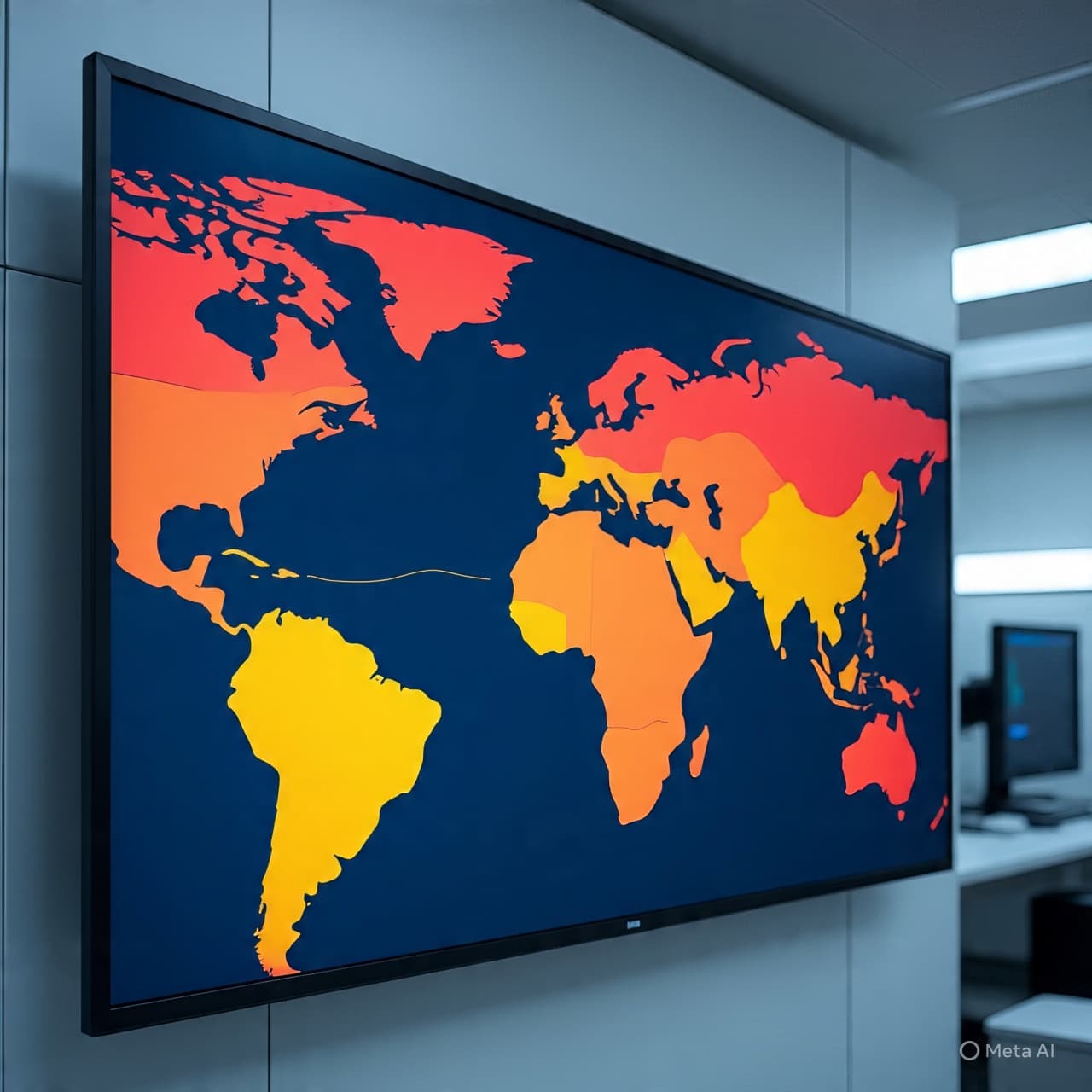
AI Image Disclaimer Visuals are created with AI tools and are not real photographs.
Sources (News / Verified Data) Al Jazeera (AOL reprint)
• Copernicus Climate Change Service
• Financial Times climate reporting
• Reddit‑sourced discussion of new climate data (used for context, not authoritative climate science)
Published by Banx Network. This article is part of the Banx decentralized media programme, powered by the BXE token on the XRP Ledger.