There is a quiet poetry in the choices we make at the table. Not the grand, celebratory meals, but the small, repeated decisions—the spread on bread, the drink beside a plate, the snack taken without much thought. These moments pass lightly, almost unnoticed, yet they gather over time, shaping something deeper than habit. Perhaps even shaping the rhythm of the heart itself.
In recent discussions, a nutrition scientist offered a perspective that feels less like restriction and more like gentle redirection. Rather than sweeping changes, the focus rests on small substitutions—simple food swaps that quietly tilt daily meals toward better heart health. It is not about abandoning comfort, but about reimagining it.
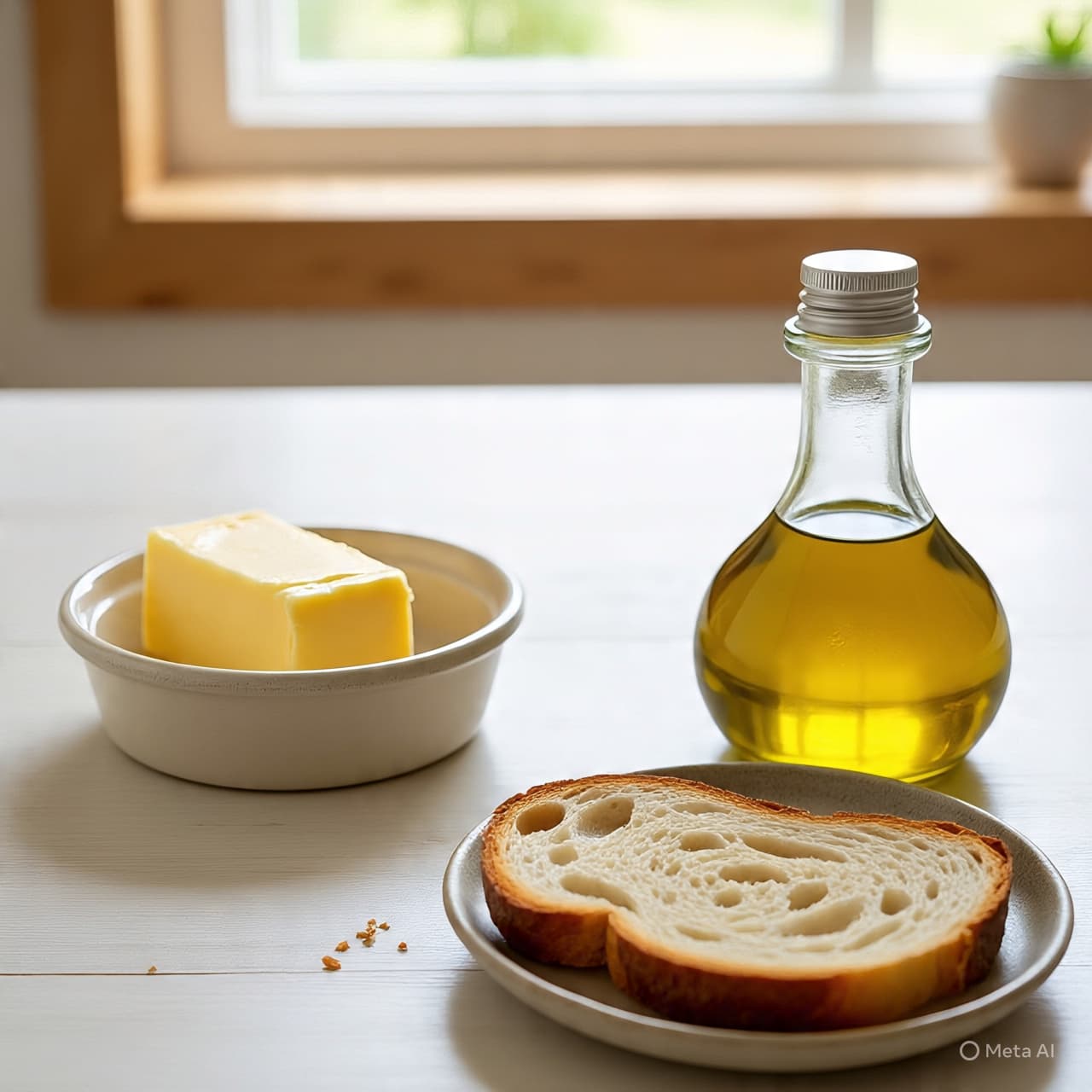
One of the first shifts begins with fats, that often misunderstood companion in cooking. Replacing butter or margarine with oils rich in unsaturated fats—such as olive oil or avocado oil—has long been associated with improved cardiovascular health. Organizations like the American Heart Association note that these oils can help reduce levels of LDL cholesterol, often described as the “bad” cholesterol. The change itself is modest: a drizzle instead of a spread, a different bottle on the counter. Yet over time, it becomes part of a larger, quieter transformation.
Another gentle adjustment lies in grains, those everyday staples that form the backbone of many meals. Swapping refined grains—white bread, white rice, standard pasta—for their whole-grain counterparts introduces more fiber into the diet. This fiber, as highlighted by Harvard Health Publishing, plays a role in lowering cholesterol and supporting heart function. The texture may feel slightly different at first, a bit more grounded, a bit less airy. But with time, it often brings a deeper sense of satisfaction, as though the body recognizes something more complete.
Then there is the matter of protein, often centered around convenience and familiarity. Processed meats, while easy and flavorful, carry associations with higher sodium and saturated fat intake. Replacing them, even occasionally, with plant-based proteins like beans, lentils, or chickpeas—or with lean sources like fish—can gently reduce strain on the heart. The Mayo Clinic and Cleveland Clinic both emphasize that such shifts, when sustained, are linked to lower risks of cardiovascular disease. It is not a demand to give something up entirely, but an invitation to diversify, to let the plate tell a slightly different story.
What makes these swaps particularly compelling is their simplicity. They do not require a complete reinvention of diet or identity. Instead, they exist within reach—small pivots that accumulate quietly. A different choice at breakfast, a subtle change at dinner. Over weeks and months, these adjustments begin to layer, creating patterns that feel less like effort and more like rhythm.
Of course, nutrition rarely exists in isolation. The body responds to a constellation of factors—movement, rest, stress, environment. Food is one voice among many, though an important one. And while no single swap can promise certainty, the collective weight of these choices suggests a direction rather than a destination.
In the end, the message arrives not as a warning, but as a gentle offering. That caring for the heart may not always require sweeping change, but rather a series of quiet decisions, repeated over time. And in those decisions, something steady and sustaining begins to take shape.
AI Image Disclaimer Illustrations were produced with AI and serve as conceptual depictions.
Source Check Credible sources identified:
Harvard Health Publishing American Heart Association Mayo Clinic Cleveland Clinic BBC Health
Published by Banx Network. This article is part of the Banx decentralized media programme, powered by the BXE token on the XRP Ledger.