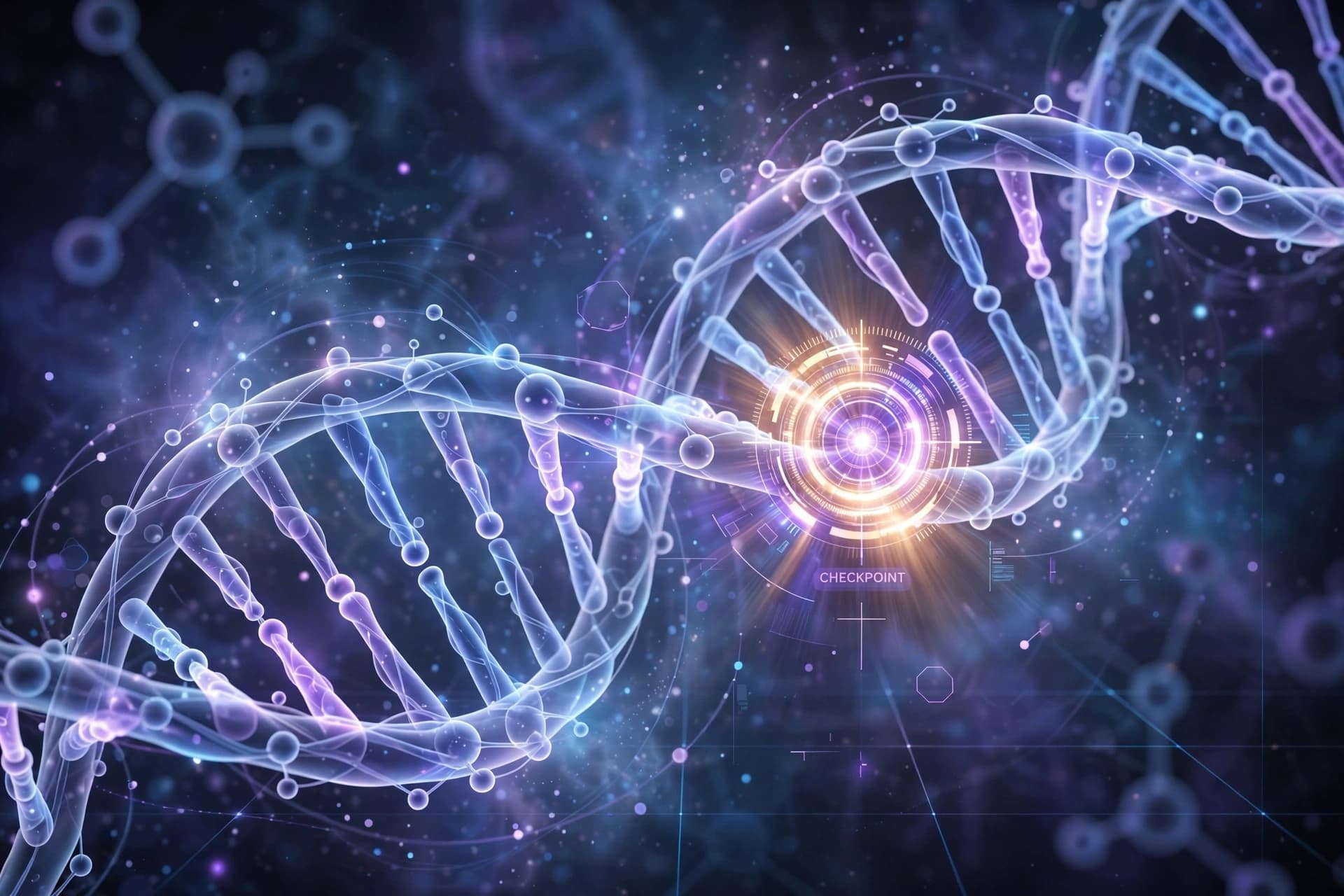
In the microscopic theater of life, where the drama of existence plays out in fractions of a second, accuracy is everything. Every time a cell divides, it must copy its vast library of genetic information with near-perfect precision. Yet, this process is fraught with potential pitfalls, as the molecular machinery can stumble or misread the code. Recently, scientists have uncovered a subtle but vital safeguard—a newly discovered mechanism that acts as a quality-control checkpoint, ensuring that errors do not slip through the cracks. This finding is not just a technical detail but a profound insight into the resilience of life itself, revealing how our bodies quietly protect us from within.
The discovery highlights the elegance of biological systems, where redundancy and vigilance are built into the very fabric of our cells. By identifying this specific pathway, researchers have opened a new window into understanding how genetic stability is maintained. It invites us to reflect on the invisible labor performed by our cells every day, a silent dedication to integrity that keeps us healthy and whole. In a world that often feels chaotic, there is comfort in knowing that such precise order exists at the most fundamental level.
The mechanism in question involves a complex interplay of proteins that monitor the progress of DNA replication. When the replication fork—the point where the DNA double helix is unwound and copied—encounters an obstacle or a potential error, this system steps in to pause the process. This pause allows time for repair enzymes to fix the issue before copying continues. Without this checkpoint, cells might incorporate incorrect bases or skip sections of the genome, leading to mutations that could cause diseases such as cancer.
Researchers identified this pathway by studying how cells respond to specific types of DNA damage. They observed that certain proteins act as sensors, detecting irregularities in the structure of the DNA strand. Once an anomaly is detected, these sensors signal other proteins to halt the replication machinery. This coordinated response ensures that the cell does not rush through the copying process at the expense of accuracy. It is a testament to the sophisticated communication networks that exist within even the smallest units of life.
The implications of this discovery extend beyond basic biology. Understanding how cells prevent errors during replication can inform the development of new therapies for genetic disorders and cancers. Many tumors arise from failures in these quality-control mechanisms, allowing mutations to accumulate unchecked. By targeting this newly identified pathway, scientists may be able to enhance the body’s natural defenses or sensitize cancer cells to existing treatments. It offers a hopeful avenue for medical innovation grounded in a deeper understanding of cellular physiology.
Moreover, this finding underscores the importance of fundamental research. While the immediate applications may not be obvious, the knowledge gained from studying these molecular processes lays the groundwork for future breakthroughs. It reminds us that science is a cumulative endeavor, where each small discovery adds to a larger mosaic of understanding. The patience and curiosity required to uncover such mechanisms are virtues that drive progress in all fields of inquiry.
The study also highlights the dynamic nature of the genome. Rather than being a static blueprint, DNA is a living document that is constantly being read, copied, and repaired. This perspective shifts our view of genetics from a deterministic model to one that emphasizes adaptability and resilience. Cells are not passive recipients of genetic instructions but active participants in maintaining their own integrity. This agency is a powerful concept that reshapes how we think about health and disease.
As researchers continue to explore this mechanism, they are likely to uncover additional layers of complexity. There may be other checkpoints and safeguards that work in concert with this newly discovered pathway. Each layer adds to the robustness of the system, ensuring that life can persist despite the constant threat of error. The more we learn, the more we appreciate the intricate design of biological systems.
Ultimately, this discovery is a celebration of the precision of life. It reveals the hidden efforts that keep our genetic code intact, protecting us from the chaos of mutation. In a universe governed by entropy, the ability of cells to maintain order is nothing short of miraculous. It is a reminder of the delicate balance that sustains us and the ongoing quest to understand it.
The identification of this new error-prevention mechanism marks a significant step forward in our understanding of DNA replication. As science continues to peel back the layers of cellular function, we gain not only knowledge but also a deeper appreciation for the resilience of life. In the quiet work of our cells, we find a powerful testament to the enduring strength of biological order.
AI Image Disclaimer: The visual elements in this article are AI-generated illustrations designed to represent the abstract concepts of DNA replication and cellular mechanisms without depicting specific scientific data.
Sources: Penn Medicine Nature Reviews Molecular Cell Biology Science Daily Phys.org
Published by Banx Network. This article is part of the Banx decentralized media programme, powered by the BXE token on the XRP Ledger.