In the quiet hum of Tokyo’s morning, an unease has crept into the air — not political, but economic. Japan, long admired for its export powerhouses and industrial resilience, has stumbled. Data shows its economy contracted in the July–September quarter, the first decline in six quarters. The culprit? A painful blow from U.S. tariffs that have squeezed Japanese exports.
The headline number is stark: GDP fell at an annualized rate of 1.8% in Q3. On a simpler, quarter-by-quarter basis, that’s a 0.4% dip. Policymakers and economists widely point to weaker external demand as the driving factor — especially from the U.S., where steep tariffs have hammered Japanese exports.
Indeed, Japan’s exports have been on the back foot. In June, export value dropped 0.5% year-on-year, and shipments to the U.S. plunged a striking 11.4%, according to data from the Ministry of Finance. Much of that decline came from autos — a pillar of Japan’s export economy — with volumes rising slightly, but values slumping sharply. The picture painted by analysts is one where Japanese automakers are absorbing a large chunk of the tariff hit by cutting their margins, rather than passing costs fully to buyers.
The tariff pressure comes against a backdrop of fragile domestic demand. Earlier in the year, Japan’s economy also shrank: in Q1, GDP fell an annualized 0.7%, driven by stagnant consumer spending and weakening exports. That contraction came even before recent tariff hikes fully took effect.
Beyond weak exports, some of the recent GDP drop reflects one-off factors. Economists point to regulatory changes that have weighed on housing investment, while high food prices are tamping down consumer momentum. Still, the broader warning signs are hard to ignore: the export engine that has powered so much of Japan’s post-war success is sputtering under external pressure.
Corporate Japan is not silent. Several major companies — including automakers — have sounded the alarm. According to research from Mizuho, the auto tariffs alone could shave as much as 0.3 percentage point off Japan’s GDP. Meanwhile, uncertainty from the U.S.-Japan trade standoff has made firms more cautious about capital spending, even as some try to front-load investment to stay ahead of further tariff pain.
The government and economic institutions are watching closely. A monthly outlook from the Japan Research Institute warns that continued weakness in goods exports — especially to the U.S. — could further drag on growth. At the same time, rising uncertainty may push policymakers to consider more aggressive fiscal support.
For now, though, many analysts describe the contraction as a temporary shock rather than the start of a full-blown recession. But if the tariffs persist, or if global demand weakens further, the risk to Japan’s fragile recovery could deepen.
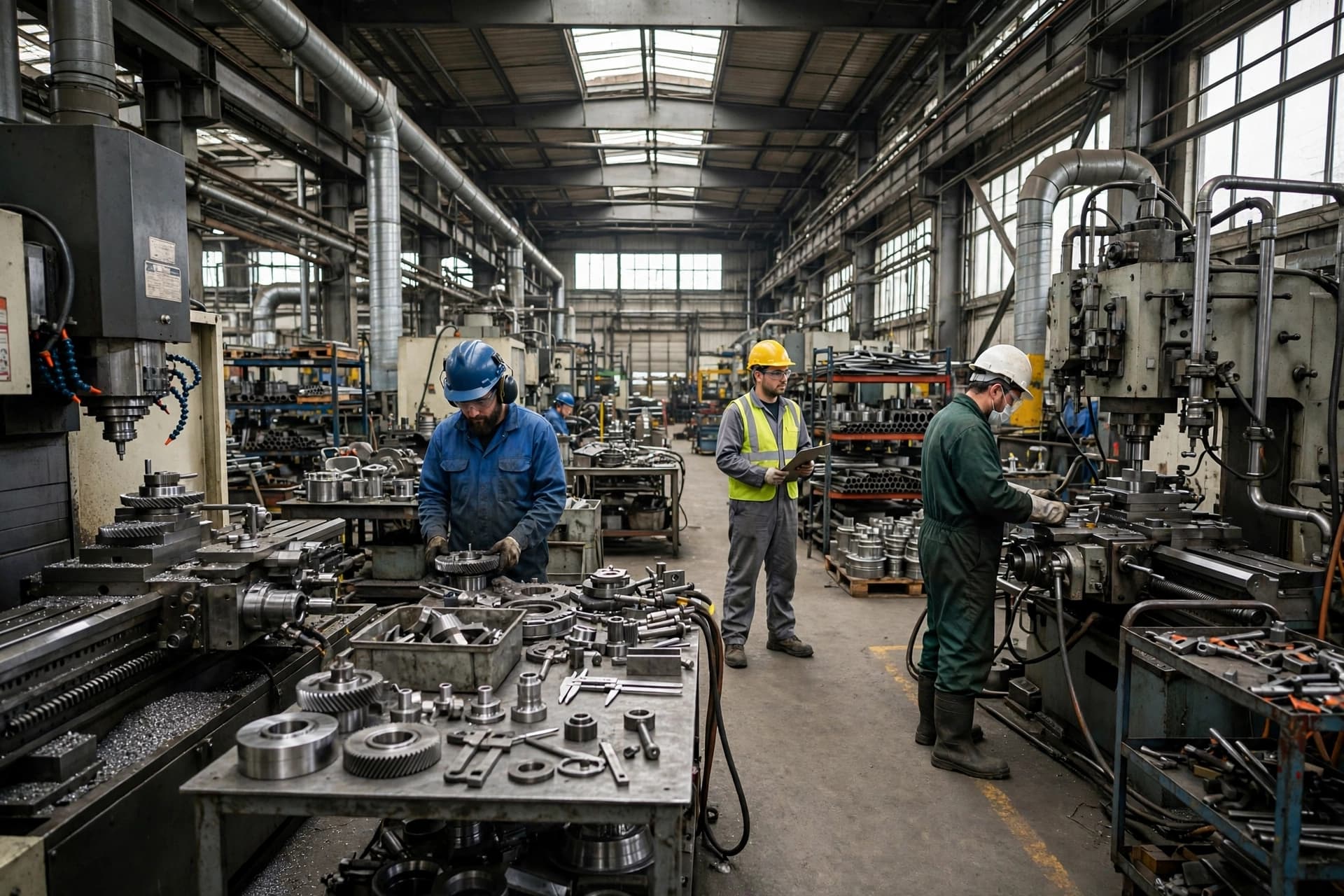
AI Image Disclaimer Visuals are created with AI tools and are not real photographs, intended only to illustrate the ideas in this article.
Sources Associated Press Reuters Japan Times Mizuho Research Japan Research Institute
Published by Banx Network. This article is part of the Banx decentralized media programme, powered by the BXE token on the XRP Ledger.