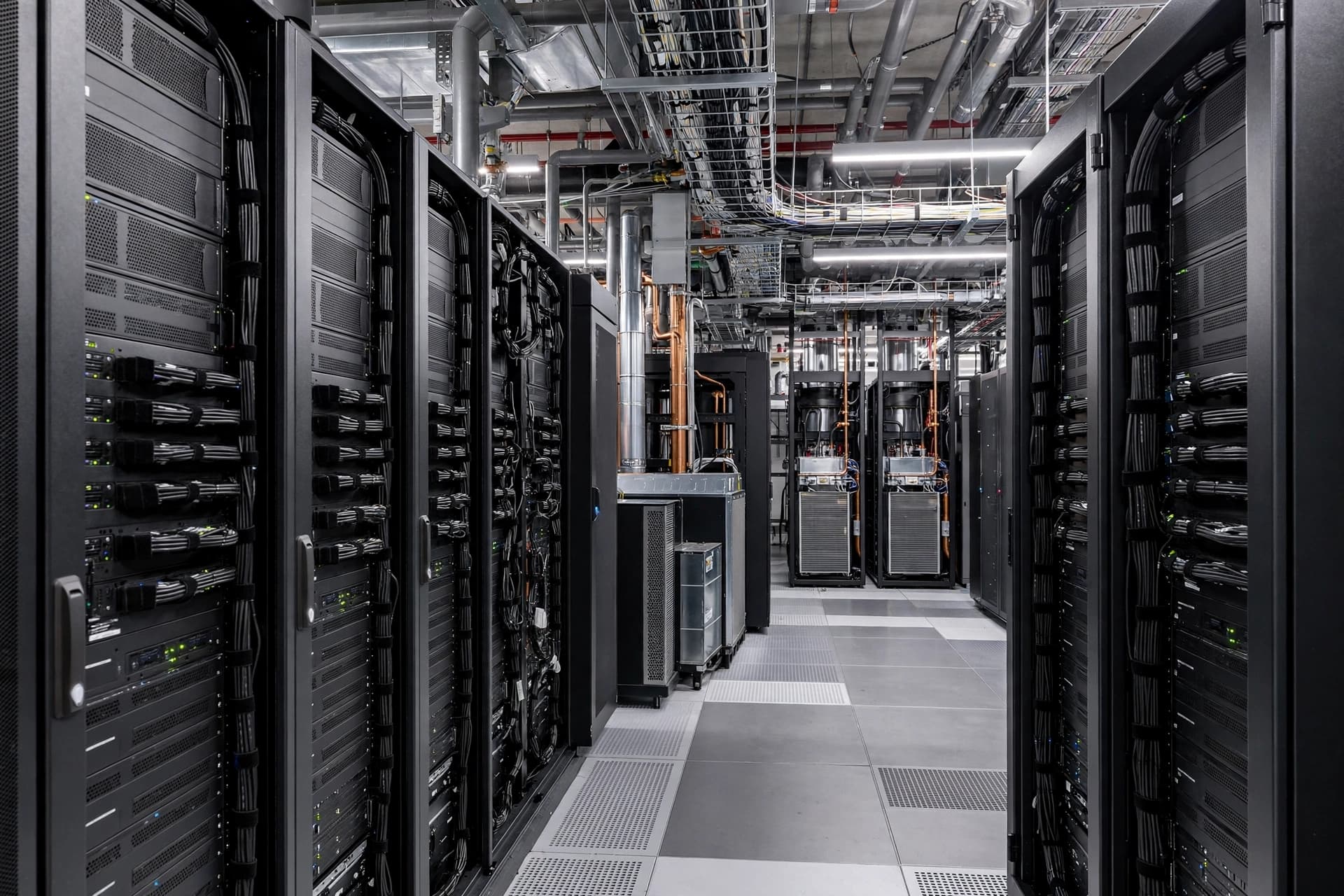
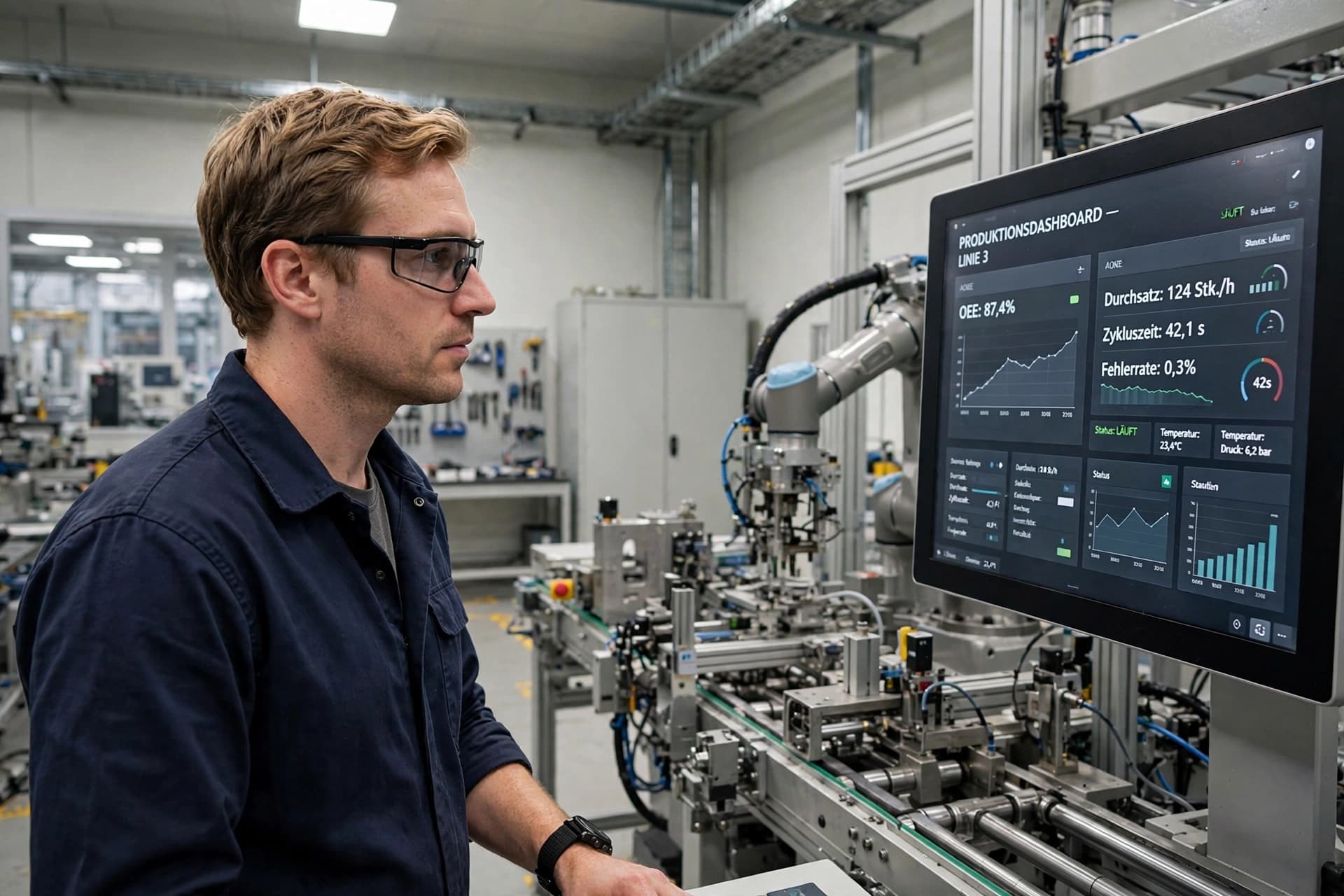
The Double-Edged Sword: How Technology Is Remaking Humanity We live in an age where a device in your pocket contains more computing power than the systems that guided Apollo 11 to the moon. Where artificial intelligence can compose symphonies, diagnose diseases, and engage in conversations that blur the line between human and machine. Where gene-editing tools promise to eliminate hereditary diseases but also raise the specter of designer babies. Technology has always shaped human civilization, but the pace and scope of change today is unprecedented—and the consequences, both wondrous and troubling, demand our urgent attention. The most visible technological revolution is happening in artificial intelligence. Machine learning systems now surpass human performance in tasks ranging from image recognition to complex game strategy. AI assists radiologists in spotting cancerous tumors, helps farmers optimize crop yields, and powers the recommendation algorithms that shape what billions of people watch, read, and believe. Large language models can write code, analyze legal documents, and tutor students in dozens of languages. This technology promises enormous productivity gains and solutions to problems that have long seemed intractable. Yet AI also concentrates power in the hands of a few tech giants and raises profound questions about the future of work. If machines can perform cognitive tasks once thought uniquely human, what happens to the millions employed as translators, accountants, customer service representatives, or paralegals? Optimists argue that technology always creates more jobs than it destroys, pointing to history. Pessimists note that this time might be different—that AI could hollow out the middle class faster than new opportunities emerge. The truth likely lies somewhere between, but the transition will be tumultuous and require thoughtful policy responses. Biotechnology represents another frontier of transformation. CRISPR gene editing, discovered just over a decade ago, allows scientists to modify DNA with unprecedented precision. Researchers have used it to develop disease-resistant crops, create potential cures for sickle cell anemia, and even attempt to resurrect extinct species. The medical applications alone could save millions of lives and alleviate immeasurable suffering. But the same tools could be misused to create biological weapons or widen the gap between those who can afford genetic enhancements and those who cannot. When Chinese scientist He Jiankui announced in 2018 that he had created the world's first gene-edited babies, the global outcry revealed our deep unease about crossing certain biological boundaries. The digital revolution continues reshaping how we communicate, learn, and understand reality itself. Social media platforms connect billions of people but also enable the viral spread of misinformation and create echo chambers that reinforce existing beliefs. Young people today navigate a world where their entire lives can be documented and shared online, with consequences for privacy and mental health that we're only beginning to understand. Virtual and augmented reality technologies promise immersive experiences but also raise questions about escapism and the nature of authentic human connection. Climate technology offers perhaps our best hope for addressing the existential threat of global warming. Renewable energy costs have plummeted, making solar and wind competitive with fossil fuels in many markets. Electric vehicles are becoming mainstream. Carbon capture technologies, once dismissed as science fiction, are being deployed at scale. Battery innovations could solve the intermittency problems that have limited renewable adoption. Yet the clock is ticking, and technological solutions alone won't suffice without political will and behavioral change. Quantum computing, still in its infancy, promises computational power that could revolutionize drug discovery, materials science, and cryptography. The first quantum computer to achieve "quantum supremacy"—performing a calculation impossible for classical computers—was announced in 2019. If fully realized, quantum computers could break the encryption that protects everything from bank accounts to national security secrets, necessitating entirely new approaches to digital security. The Internet of Things is embedding sensors and connectivity into everything from refrigerators to city infrastructure. Smart homes adjust temperatures based on occupancy, wearable devices monitor health metrics in real-time, and autonomous vehicles promise safer, more efficient transportation. This hyper-connected world offers convenience and efficiency but also creates massive attack surfaces for cybercriminals and surveillance opportunities for governments and corporations. Perhaps the deepest challenge technology poses is philosophical. As our tools grow more sophisticated, questions about consciousness, free will, and what it means to be human become less abstract. If an AI can write poetry that moves us to tears, what does that say about creativity? If genetic engineering can enhance intelligence or eliminate personality traits, who decides what characteristics are desirable? If virtual experiences become indistinguishable from physical ones, does the distinction still matter? The path forward requires wisdom to match our cleverness. Technology is neither inherently good nor evil—it's a tool that amplifies human intentions and capabilities. Nuclear technology can power cities or destroy them. Social media can organize democratic movements or spread propaganda. Biotechnology can cure disease or create new threats. The choices we make about how to develop, deploy, and regulate these powerful tools will shape the world our children and grandchildren inherit. We need robust ethical frameworks, inclusive decision-making processes, and governance structures that can keep pace with innovation. We need education systems that prepare people not just to use technology but to think critically about its implications. Most importantly, we need to ensure that technological progress serves human flourishing rather than narrow commercial or political interests. Technology will continue its relentless advance. The question is whether we'll master it or be mastered by it. That answer depends on choices we make today—in research labs and boardrooms, in legislative chambers and living rooms. The future is not predetermined. It's ours to shape, if we have the courage and wisdom to do so thoughtfully.
Published by Banx Network. This article is part of the Banx decentralized media programme, powered by the BXE token on the XRP Ledger.