As autumn deepens and the air turns crisp, the night sky undergoes a subtle transformation. The summer Milky Way fades, making way for clearer views of distant planets and fleeting meteors. October offers a particularly rich menu of celestial events, from the annual Orionid meteor shower to the rare opportunity to witness a star cluster before it disperses. These phenomena invite us to step outside, look up, and reconnect with the rhythmic cycles of the universe. It is a season for wonder, accessible to anyone with a clear view of the heavens.
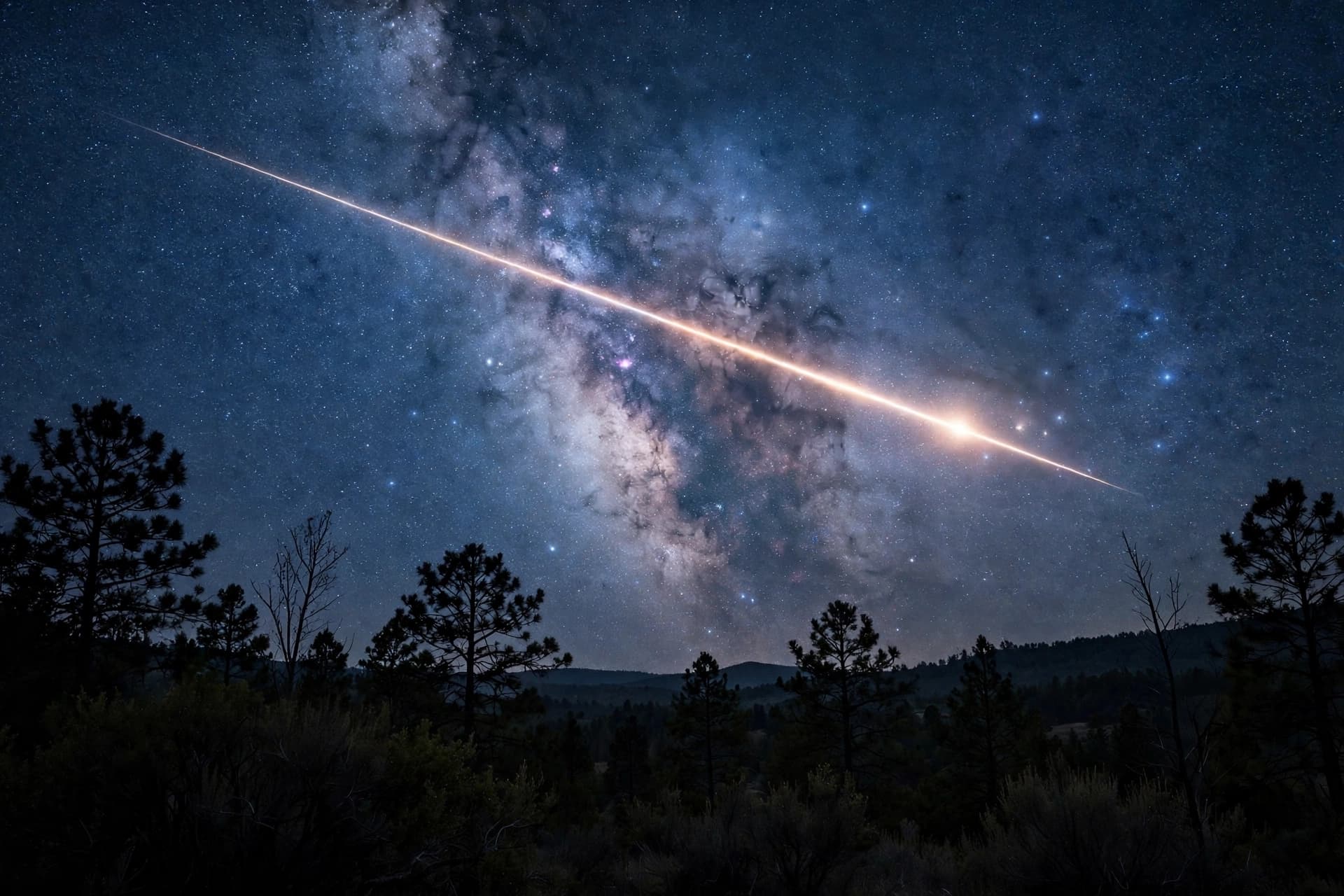
One of the highlights of the month is the Orionid meteor shower, which peaks in mid-October. Although less intense than the Perseids, the Orionids offer a steady display of bright streaks radiating from the constellation Orion. Best viewed after midnight, these meteors are remnants of Halley’s Comet, providing a tangible link to one of the solar system’s most famous visitors. Their appearance is a gentle reminder of the debris that trails behind comets as they orbit the Sun.
Another notable event is the visibility of Mars, which rises earlier in the evening as the month progresses. Its reddish hue stands out against the darker backdrop of autumn stars, offering a striking sight for naked-eye observers. Through a small telescope, viewers can even discern polar ice caps and surface features, bringing the Red Planet within reach of amateur astronomers. This accessibility makes October an ideal time for beginners to explore planetary observation.
Perhaps the most poignant event is the viewing window for the Pleiades star cluster, also known as the Seven Sisters. Recent studies suggest that gravitational interactions may eventually disperse this iconic group, making each viewing a precious moment. In October, the Pleiades rise high in the east, shimmering like a diamond dusting on black velvet. Observing them feels like witnessing a temporary beauty, urging us to appreciate the transient nature of cosmic structures.
Jupiter also makes a prominent appearance, reaching opposition later in the month. This alignment brings the gas giant closest to Earth, making it brighter and larger in telescopes. Its four Galilean moons become easily visible, dancing around the planet in a nightly ballet. For many, Jupiter remains the most rewarding object to observe, offering constant changes and details to explore.
The moon phases in October provide additional opportunities for observation. The Hunter’s Moon, the full moon following the Harvest Moon, rises with a golden glow, illuminating the landscape. While its brightness can wash out fainter stars, it offers a dramatic spectacle in its own right, perfect for photography and evening walks.
For those interested in deeper sky objects, October’s clear skies are ideal for spotting distant galaxies like Andromeda. With binoculars, it appears as a fuzzy patch of light, the nearest major galaxy to our own. Viewing Andromeda is a humbling experience, connecting us to a vast island of stars millions of light-years away. It expands our perspective, reminding us of our place in a much larger cosmos.
October’s night sky offers a diverse array of events, from meteor showers to planetary alignments. These occurrences provide ample reason to embrace the outdoors and engage with the universe above. Whether through a telescope or with the naked eye, the autumn sky invites us to pause and marvel at the enduring beauty of the cosmos.
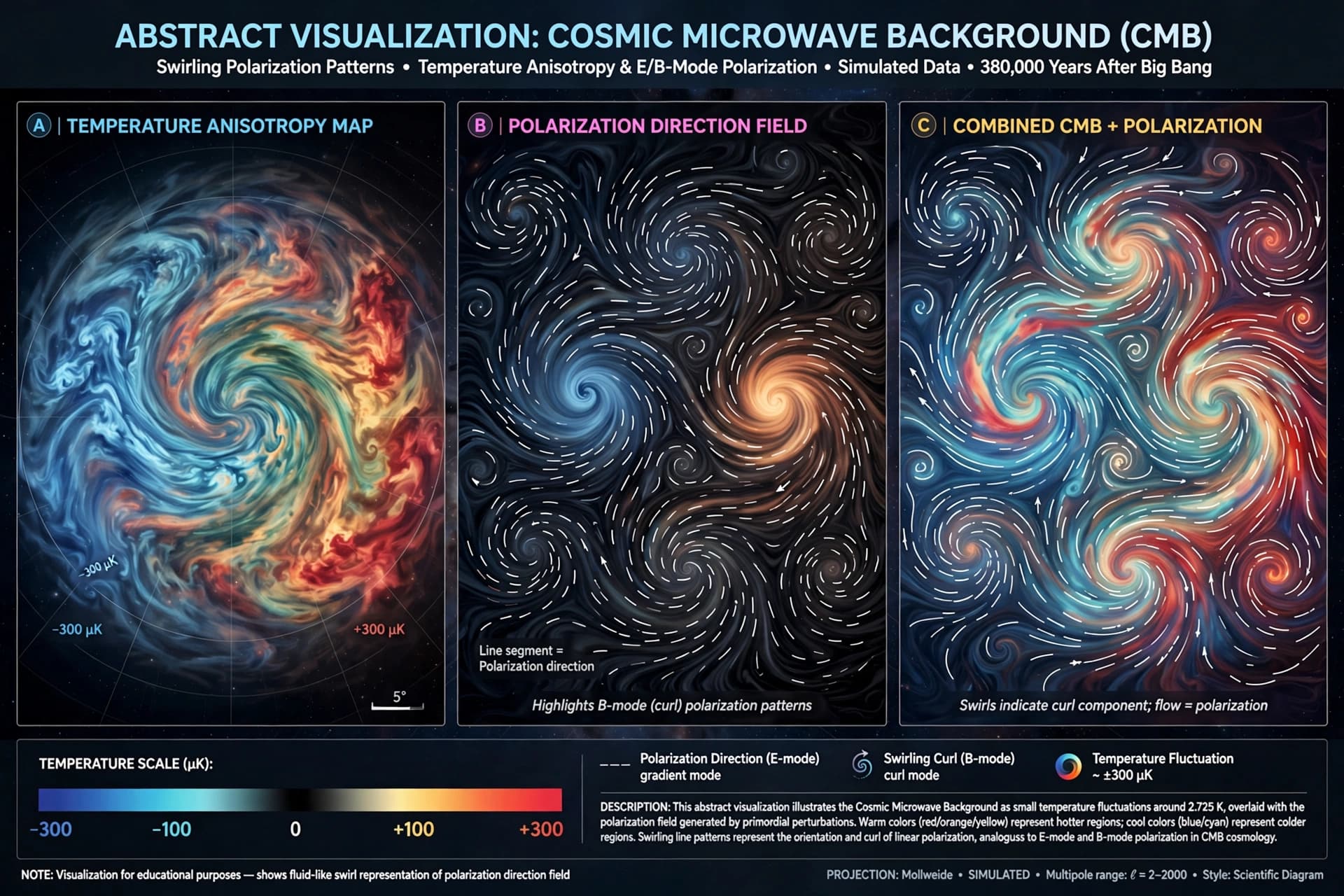
AI Image Disclaimer: The images accompanying this article are AI-generated artistic interpretations of celestial events and night skies, not actual photographs of the specific astronomical occurrences in October.
Sources: Sky & Telescope EarthSky NASA Night Sky Network
Published by Banx Network. This article is part of the Banx decentralized media programme, powered by the BXE token on the XRP Ledger.