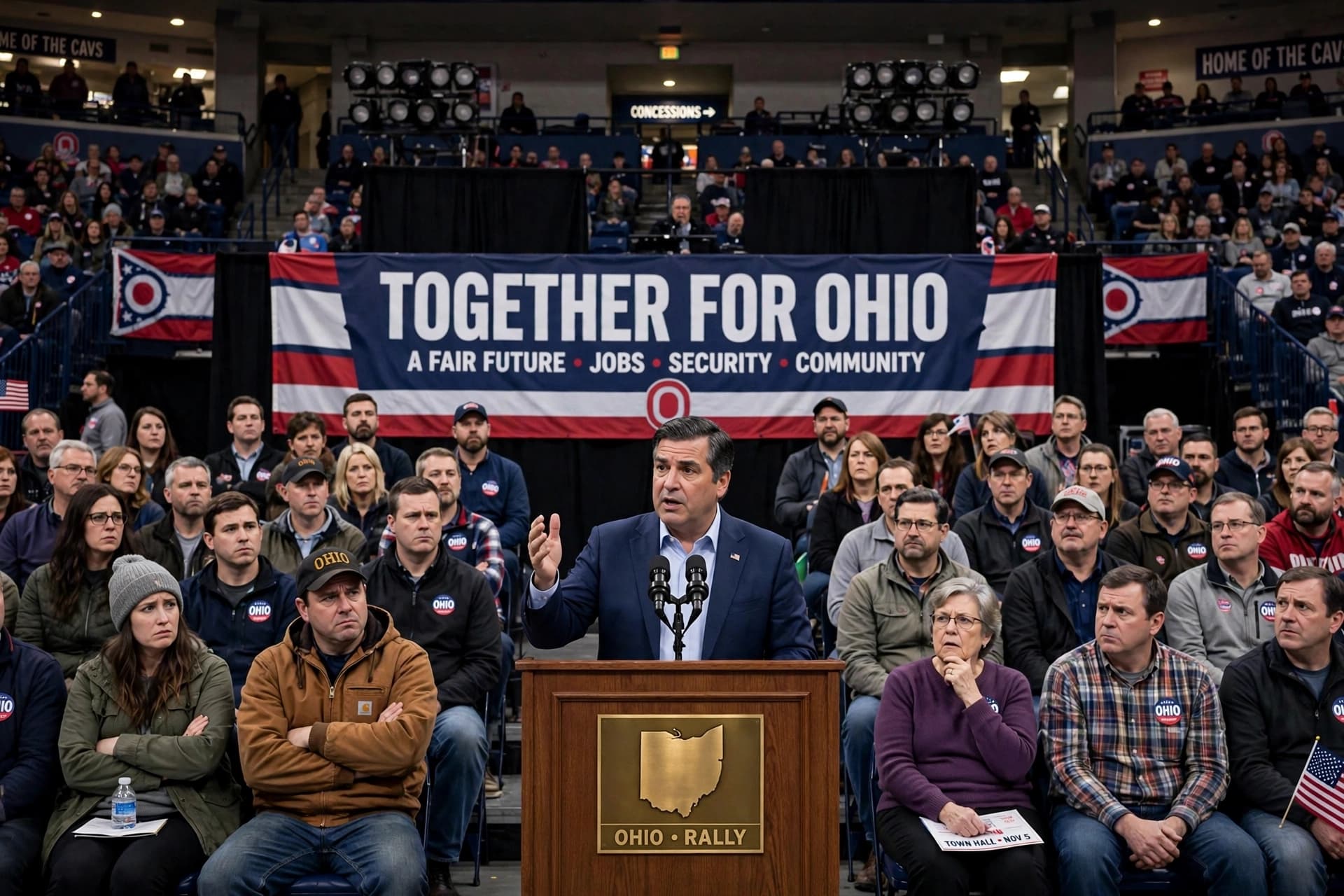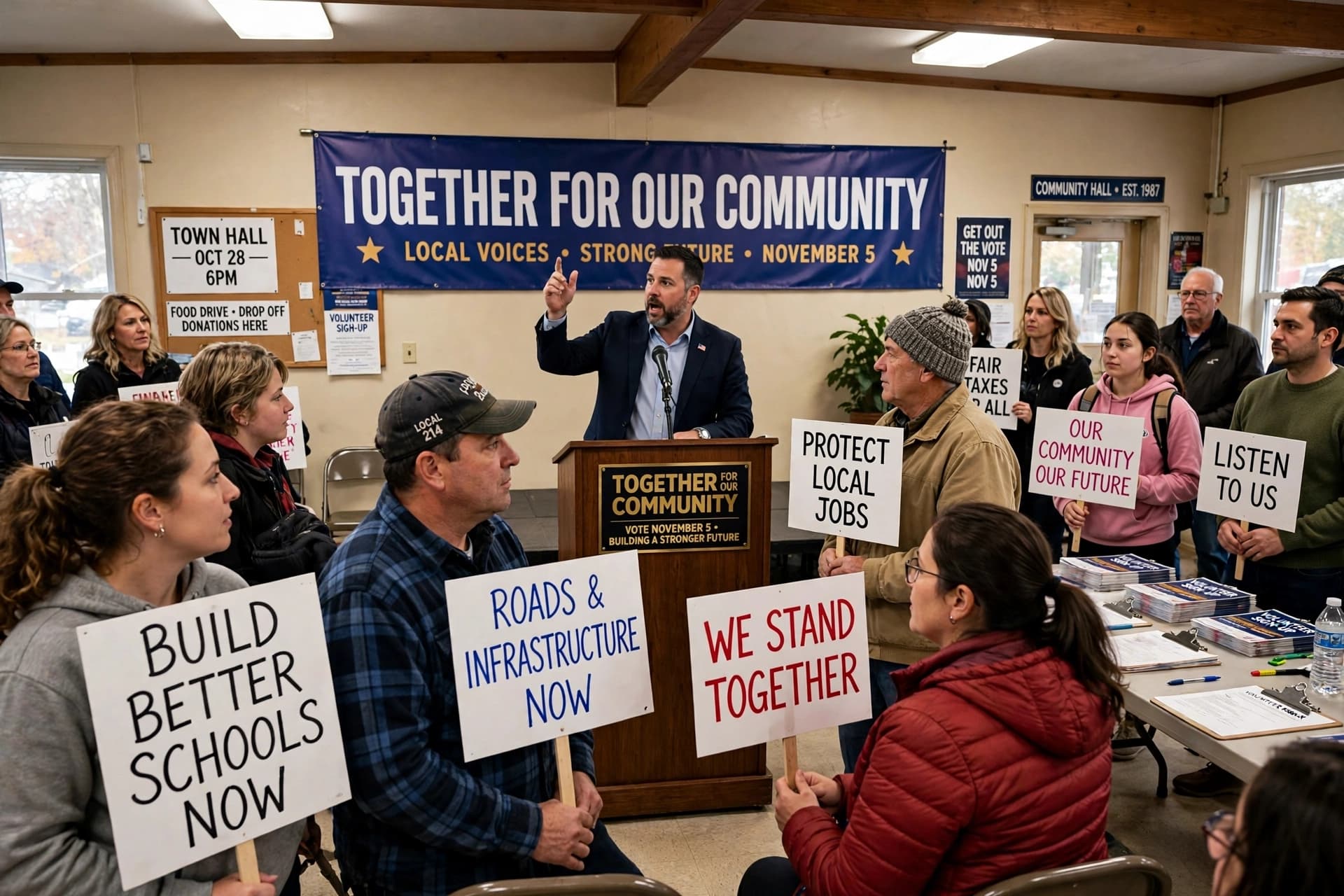
There is a particular kind of political capital that accumulates not through office or title, but through presence—through the willingness to show up in places where the party's brand is weak, to stand beside candidates in districts that were never supposed to be competitive, and to build relationships one handshake at a time. Pete Buttigieg, the former transportation secretary and one-time presidential candidate, has spent the 2026 midterm cycle doing exactly that. With no government position to constrain him and no reelection campaign of his own to manage, he has become one of the most prolific surrogates in Democratic politics—a role that is helping his party now and quietly positioning him for whatever comes next .
The numbers are striking. Buttigieg has made more than 100 endorsements this cycle and has campaigned in person for roughly half of them. Since leaving the Transportation Department, he has traveled to thirty-seven states. In the final stretch before November, he is set to campaign in at least six more: North Carolina, Virginia, New Jersey, Georgia, Nevada, and his adopted home state of Michigan . His itinerary includes stops in Republican strongholds that most national Democrats avoid, including Montana and Oklahoma .
The strategy is deliberate. Buttigieg has said he wants "to be useful to citizens organizing to fix broken systems, and candidates who represent a better version of our politics" . But the travel and the endorsements also serve a second purpose: they give him a record to run on, a network of allies in key states, and a real-world testing ground for the message he might carry into a future campaign. As David Axelrod, a Buttigieg confidant, told Politico, "For Pete, it's less about getting credit nationally for what he's done for Democrats and more about building relationships in places that will be beneficial down the line" .
One of the most notable aspects of Buttigieg's midterm work is his focus on Black Democrats—a constituency with whom he struggled during his 2020 presidential bid. He has endorsed candidates like Shawn Harris in Georgia, Aaron Ford for Nevada governor, and Jasmine Clark for an open House seat east of Atlanta. He also backed Chedrick Greene in a hard-fought Michigan state Senate special election . That outreach is not accidental; it addresses a weakness that helped derail his first national campaign and builds a foundation for a possible second.
Buttigieg's message on the trail has also been evolving. He has been connecting concrete cost-of-living concerns to a broader argument about political reform. "If we want the kitchen table to be better off, we got to deal with the political system that is kicking the legs out from under the kitchen table," he said at a rally in Rochester, New Hampshire . "Your economic message only has credibility if you have a reform message, too. Because otherwise, what you're doing is you're saying things that people agree with, which is great, but they might not believe that you can actually deliver it" .
The midterms will determine how much of that message lands. But Buttigieg's investment of time and travel has already changed the landscape of the cycle, putting him in rooms and in front of voters that most national figures never see. Whether that translates into a future presidential bid remains an open question—he has consistently deflected questions about 2028 with a "we'll see" . But the work itself, the showing up, is the point. In a party searching for leaders who can connect in places where Democrats have struggled, Buttigieg has made himself one of the most visible answers.
AI Image Disclaimer: All images in this article are AI-generated and are intended for illustrative purposes only.
Sources: Politico, CNN, News From The States
Published by Banx Network. This article is part of the Banx decentralized media programme, powered by the BXE token on the XRP Ledger.