To live on the Moon is not simply to travel there. It is to contend with a world that offers no air to breathe, no water to drink, no soil in which to grow anything, and no protection from the radiation that streams endlessly from the Sun and the wider galaxy. The lunar surface is a place of extremes: temperatures that swing from scorching to freezing, micrometeoroids that fall without warning, and a fine, abrasive dust that clings to everything it touches. Before humans can settle there—before they can stay for weeks or months rather than days—the Moon must be understood not as a destination but as an environment.
NASA has taken another step toward that understanding with the selection of three new scientific investigations, chosen through the agency’s Payloads and Research Investigations on the Surface of the Moon program . The experiments are designed to answer practical questions that will shape the architecture of a future lunar base: where water ice can be found, whether natural underground shelters exist, and what conditions crews and equipment will face on the surface . As Nicky Fox, associate administrator of NASA’s Science Mission Directorate, put it, the agency is building “the ultimate interplanetary survival guide” .
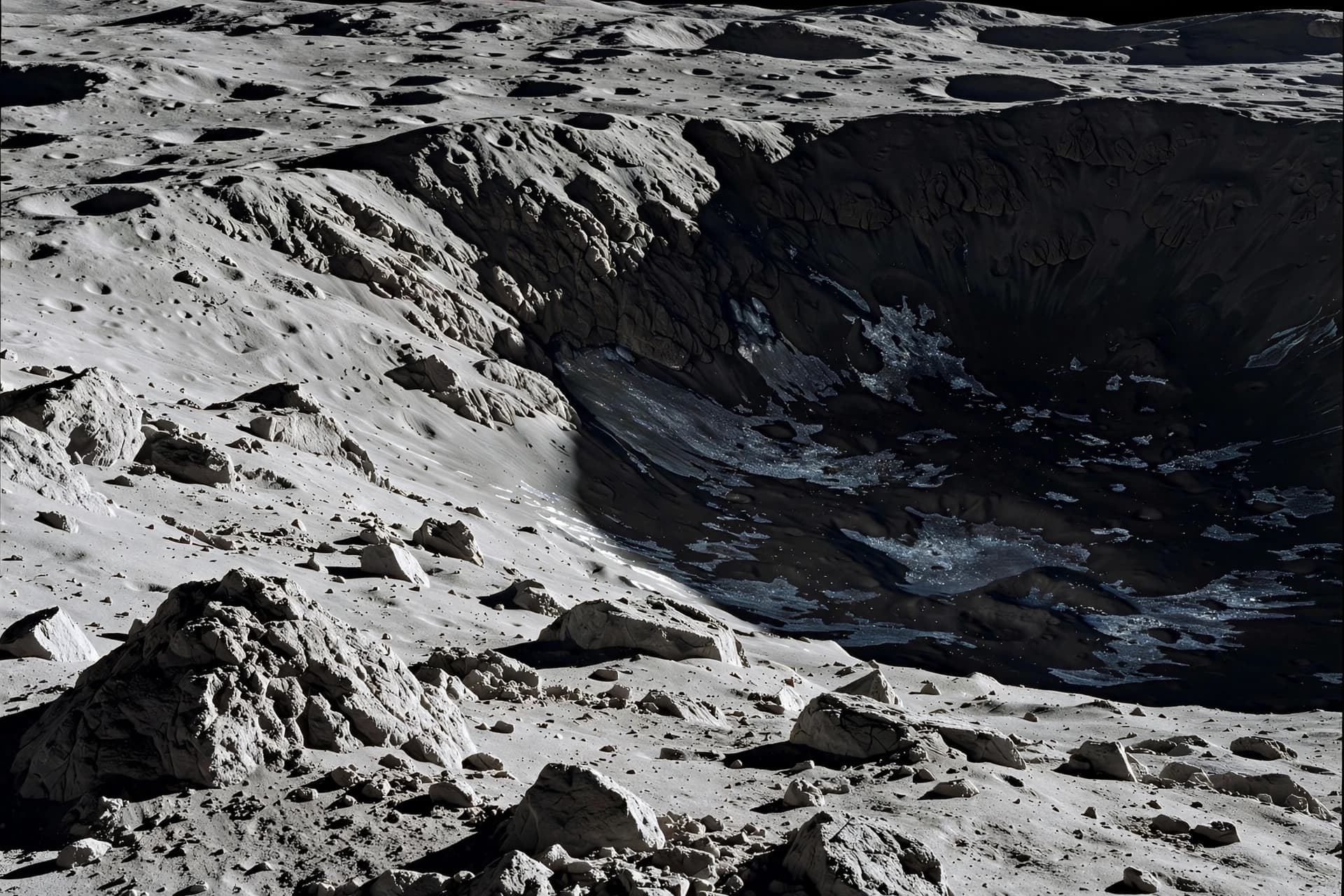
The first investigation, called DISCO, will search for water ice in small, cold pockets on the lunar surface known as micro-cold traps, where temperatures remain low enough for ice to persist . Water is central to any sustained lunar presence: it can be consumed, used for growing food, or split into hydrogen and oxygen for rocket propellant . DISCO will also study how rocket exhaust affects the lunar soil during landings and departures, a problem that becomes more acute as the frequency of missions increases .
The second experiment, GIMLI, will investigate the Marius Hills Pit, a volcanic depression that may open into a larger underground lava tube . Such tubes are natural cavities left behind by ancient volcanic activity, and if one exists at Marius Hills, it could offer protection from radiation, micrometeoroids, and temperature swings that the surface cannot provide . The lunar surface is bombarded by radiation that would be hazardous to human health over extended periods, and an underground habitat would reduce that exposure .
The third investigation, LEMS-SP, will be stationed near the lunar South Pole to monitor seismic activity, micrometeoroid impacts, and volatile materials in the Moon’s thin exosphere . A short-period seismometer will record moonquakes and other seismic events that could affect the stability of habitats and equipment . The data will help engineers understand the environment in which a lunar base must operate, from the frequency of small impacts to the behavior of the sparse atmosphere.
All three instruments will be delivered to the lunar surface through NASA’s Commercial Lunar Payload Services program, in which the agency purchases delivery services from private companies rather than building and operating its own landers . This approach reflects the broader strategy of the Artemis campaign, which envisions a phased build-up of lunar capabilities beginning with robotic missions and eventually including semi-permanent habitats for astronauts . The experiments announced this week are part of that incremental process, each one adding a piece of knowledge that will be needed before humans can stay on the Moon for extended periods. The work is methodical by necessity, because the Moon, for all its familiarity in our sky, remains a place that does not forgive what it has not been asked to forgive.
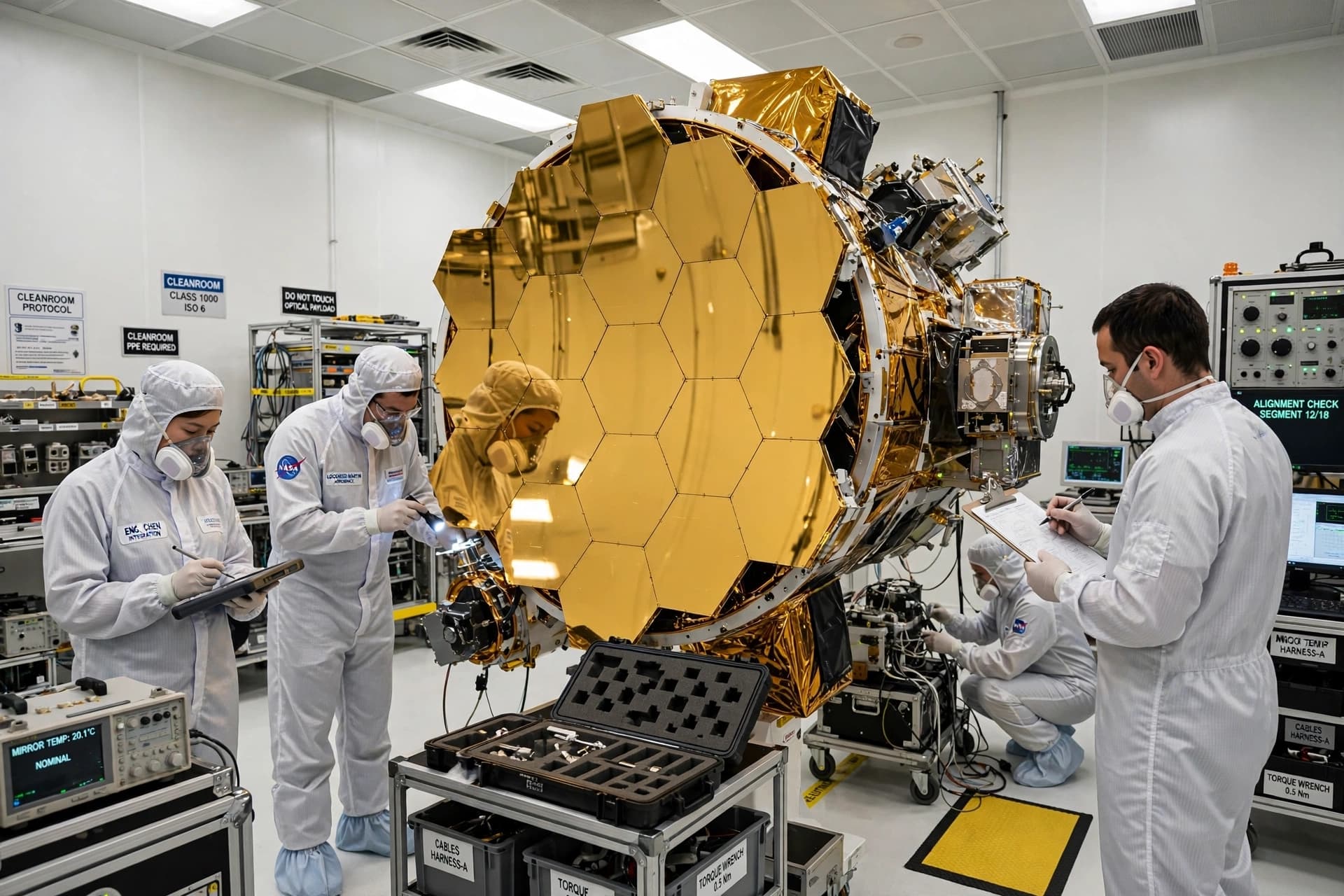
AI Image Disclaimer: All images accompanying this article are AI-generated illustrations and do not depict actual NASA equipment or lunar surfaces.
Sources: Aerospace Global News, SAPO Tek, Dnevnik, Nauka.ua
Published by Banx Network. This article is part of the Banx decentralized media programme, powered by the BXE token on the XRP Ledger.