
Key Highlights
- Autonomous rovers are revolutionizing livestock management in Australia.
- The 2026 trials showed a 30% reduction in livestock mortality.
- New government subsidies support the adoption of these technologies.
In the vast, red-earthed expanses of the New South Wales interior, the role of the boundary rider is undergoing its first true transformation in a century. For generations, monitoring herds and checking water supplies was a task for horse and human, a rhythm of dust and distance that was as arduous as it was essential. However, in the spring of 2026, the hum of a different kind of traveler is being heard across the paddocks. Autonomous rovers, equipped with thermal cameras and AI-driven health monitors, are beginning to act as the silent sentinels of the Australian pastoral heartland.
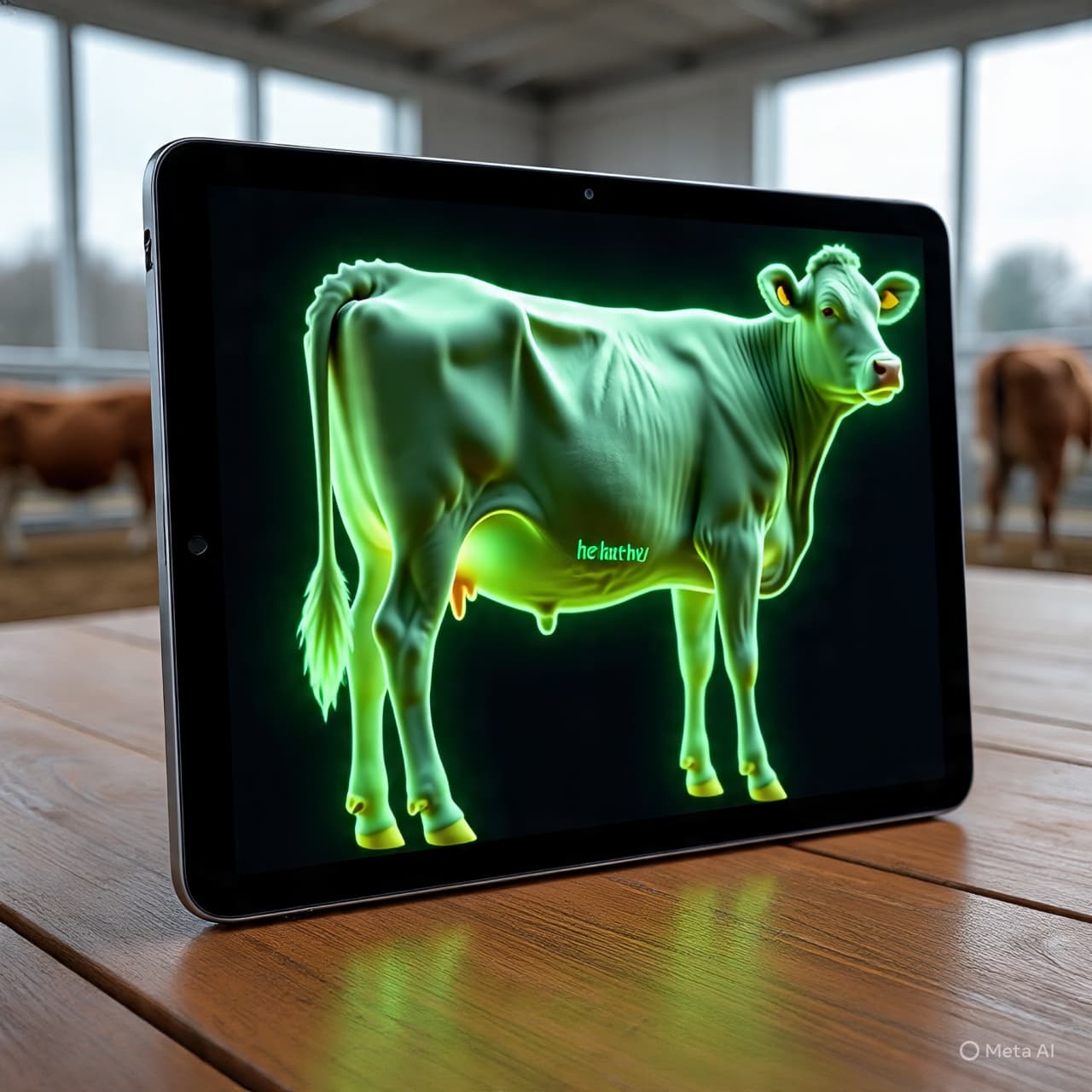
This technological shift represents a significant act of rural liberation. By deploying solar-powered rovers that can navigate rugged terrain and identify individual animals by their thermal signature, farmers can monitor the health of their livestock with a precision that was previously impossible. This narrative of care illustrates how machines can prevent animal suffering by identifying early signs of injury or disease long before they are visible to the human eye. The rover is not a replacement for the farmer but a tireless extension of their stewardship.
The choice of solar energy to power these guardians is particularly elegant. In a landscape defined by the intensity of the sun, the rover harvests its own movement from the sky, operating in a cycle of total sustainability. Engineers at the University of Sydney describe this as a work of "embodied intelligence," creating machines capable of making basic decisions on the ground—such as identifying a broken fence or a dry trough—and alerting the farm manager in real-time. The vastness of the Outback is being bridged by the speed of data.
The impact of this technology on the "social license" of farming is as significant as its economic benefits. By demonstrating that livestock can be monitored and managed with a high degree of welfare oversight, the Australian agriculture sector is setting a new global standard for transparency and animal care. This shift moves away from broad-brush management toward a more nuanced and individual relationship with the land and the animals. The technology serves as a tool for a more ethical and sustainable form of abundance.
As the sun sets over the Darling Downs, reflecting off the lidar sensors of a rover as it returns to its charging dock, the significance of this moment for rural identity becomes visceral. This evolution proves that the most traditional of industries can lead the way in the most advanced technologies. The autonomous shepherd symbolizes an Australia that remains grounded in the soil while reaching for the future. The most resilient farms are those that embrace the partnership between human intuition and machine precision.
The 2026 "Ag-Robot" trials have demonstrated a remarkable 30 percent reduction in livestock mortality during the lambing season, thanks to the rovers' ability to detect distressed animals overnight. These systems utilize edge-computing to process video data locally, ensuring they can operate even in areas with limited satellite connectivity. Recently, the Australian Government announced new subsidies for regional farmers to adopt these autonomous systems as part of a broader "Drought Resilience" initiative.
Ultimately, the rise of autonomous pastoral management represents a landmark achievement for Australian agricultural science. By providing a reliable way to oversee vast landscapes with minimal environmental impact, this technology ensures the continued viability of the sheep and cattle industries. This scientific milestone positions Australia as a world leader in "smart farming." In the steady, silent patrol of a robotic guardian, the future of the rural heartland finds its most reliable and innovative path.
Published by Banx Network. This article is part of the Banx decentralized media programme, powered by the BXE token on the XRP Ledger.



