Key Highlights
- Launch Date:SpaceX's Starship launched on November 13, 2026.
- Mission Goals:Aimed to recover both stages of the rocket for reuse.
- Outcome:Successfully reached orbit but failed to recover the Super Heavy booster.
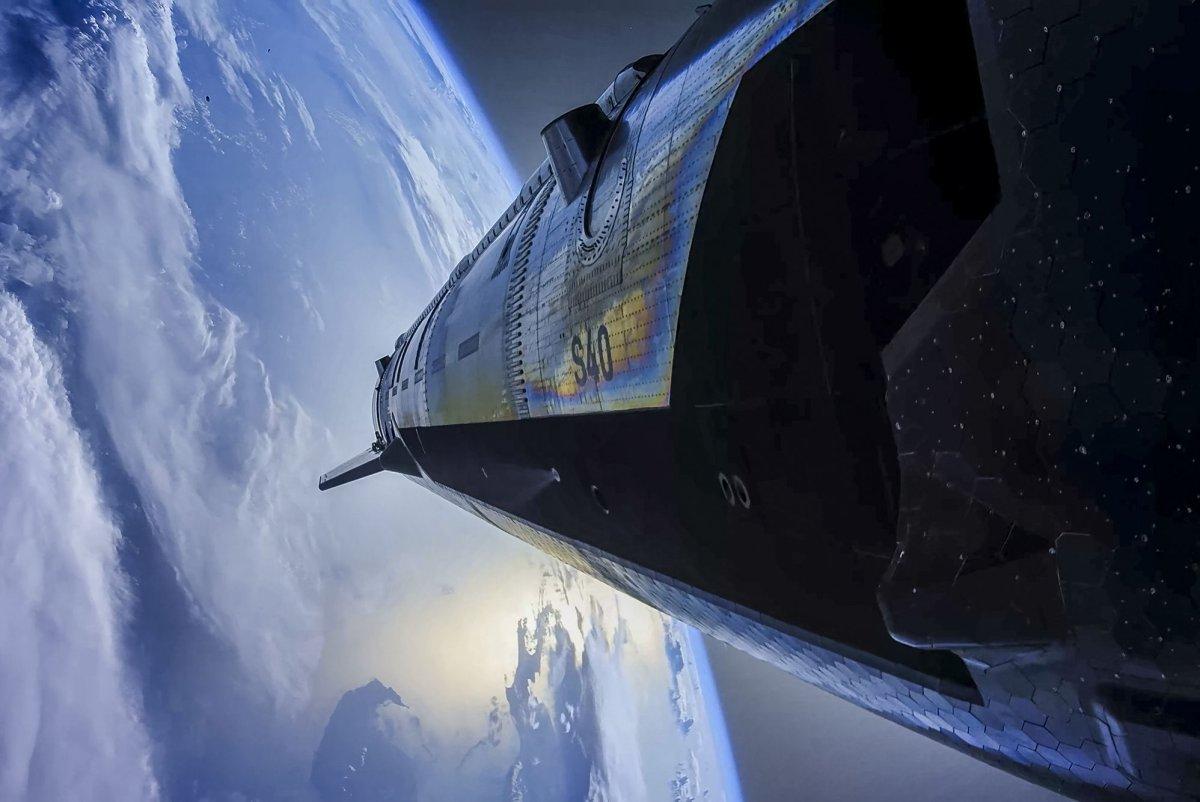
SpaceX continues to push the boundaries of space exploration with its latest test flight of the Starship rocket, which took place on November 13, 2026. This mission, the 15th in the series, was not just about reaching orbit; it aimed to demonstrate a revolutionary concept in space travel: the recovery and reuse of both stages of an orbital rocket. Achieving this could significantly lower the costs associated with launching payloads into space, a long-standing challenge in the aerospace industry.
The mission successfully deployed 26 Starlink V3 satellites into orbit, marking a notable achievement for SpaceX. However, the recovery of the Super Heavy booster did not go as planned. An anomaly during its descent forced the booster to divert towards the Gulf of Mexico, where it ultimately exploded. Despite this setback, the flight represents a critical step toward the goal of fully reusable rockets, which could transform the economics of space travel.
Historically, rockets have been designed as expendable vehicles, with substantial portions discarded after each launch. This model has limited the frequency and affordability of space missions. SpaceX has already made strides in changing this paradigm with its Falcon 9 program, where first-stage boosters are routinely recovered and refurbished for future flights. The Starship program aims to take this concept even further by recovering the entire launch system, including both the Super Heavy booster and the Starship spacecraft.
The Starship system is an impressive feat of engineering, standing approximately 124 meters tall and powered by 33 Raptor engines that generate over 18 million pounds of thrust. The design includes innovative recovery methods, such as the use of a launch tower equipped with mechanical arms, affectionately dubbed Mechazilla's chopsticks. These arms are intended to catch the returning rocket stages mid-air, allowing for a more efficient turnaround between launches.
However, the challenge of catching a returning rocket is significant. The vehicle must execute precise maneuvers and maintain control during its descent, landing within tight tolerances to ensure a successful catch. The recent Flight 15 was designed to showcase the simultaneous recovery of both stages, but the failure of the Super Heavy booster to return successfully highlights the complexities involved in this ambitious endeavor.
As SpaceX continues to refine its technology and approach, the vision of making space travel as routine and cost-effective as commercial aviation remains within reach. The implications of achieving fully reusable rockets extend beyond just cost savings; they could open up new possibilities for exploration and commercial activities in space, fundamentally altering humanity's relationship with the cosmos.
In summary, while the recent test flight of SpaceX's Starship showcased significant advancements, it also underscored the challenges that remain in achieving the goal of fully reusable rockets. As the company learns from each flight, the dream of making space more accessible continues to draw closer.
Published by Banx Network. This article is part of the Banx decentralized media programme, powered by the BXE token on the XRP Ledger.