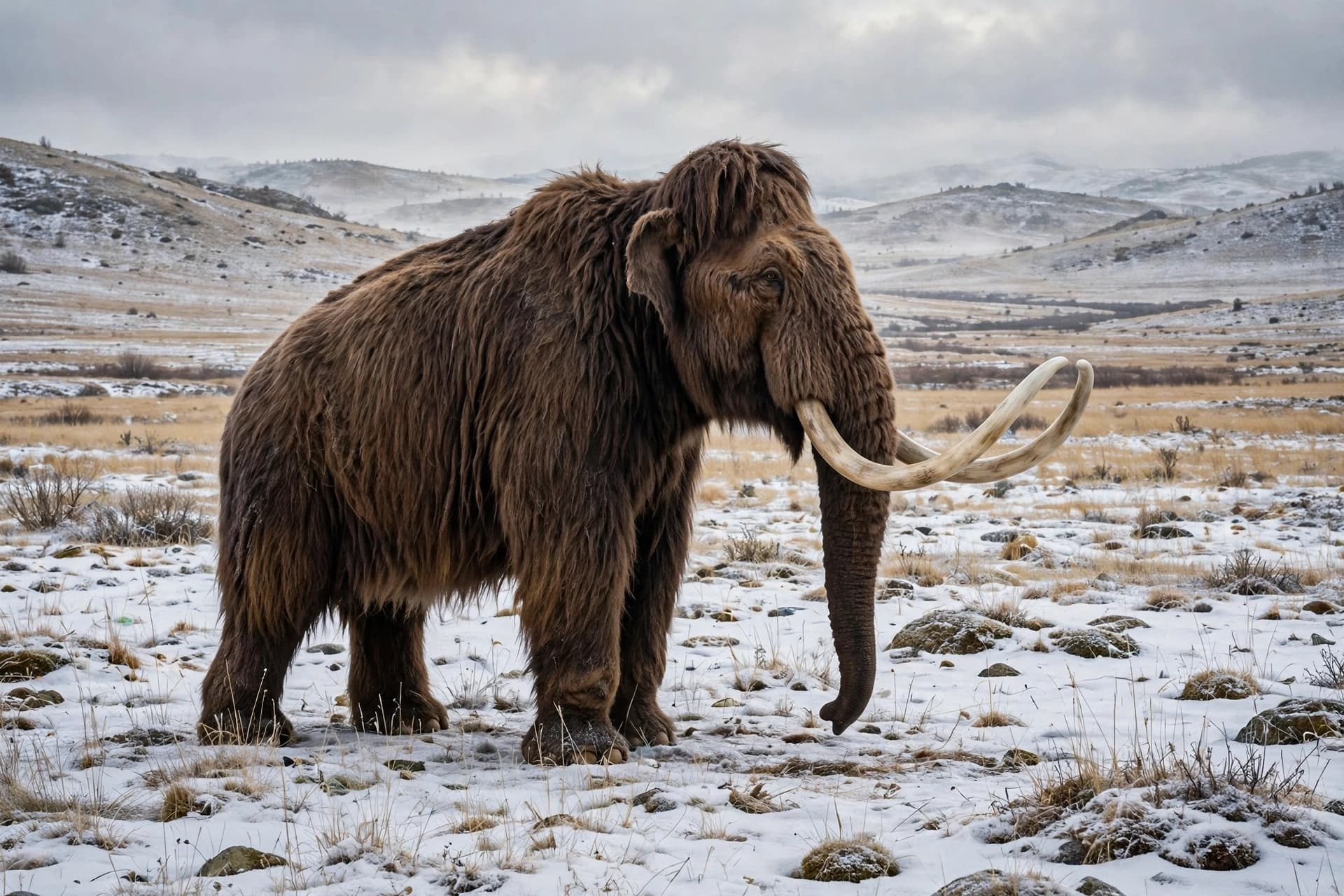
There is something almost mythological in the ambition: to summon from extinction a creature that has been gone for four thousand years, to reconstruct from fragments of frozen bone and hair a living, breathing animal that once roamed the steppes of Siberia and the plains of North America. The woolly mammoth has become the symbol of a movement called de-extinction, a scientific quest that blurs the line between restoration and creation, between what was lost and what might be made anew.
The company at the center of this effort is Colossal Biosciences, a Dallas-based biotech firm co-founded by George Church, a geneticist known for his pioneering work in CRISPR gene editing . Colossal’s approach is not cloning—no living mammoth cell exists to clone. Instead, the company is pursuing what it calls “functional de-extinction”: editing the genome of the Asian elephant, the mammoth’s closest living relative, to introduce traits that would make it resemble its Ice Age cousin . The two species share nearly 98 percent of their genome sequences, but that remaining 2 percent encodes crucial differences in hair, fat, and cold tolerance .
The work begins with ancient DNA. Researchers extract tiny fragments of mammoth genetic material from remains preserved in permafrost, then use computers to map those fragments onto the Asian elephant genome as a reference . From there, they identify the gene variants associated with mammoth traits—hair color and length, the waviness of the coat, fat distribution, and possibly ear size . The genes are then edited into elephant cells using CRISPR, with the goal of eventually creating embryos that could be carried by a surrogate elephant.
Progress has been incremental but measurable. In March 2025, Colossal announced that it had engineered “woolly mice”—mice with long, golden, wavy hair created by editing seven genes related to hair growth . The mice were not mammoths, but they demonstrated that the company’s gene-editing tools could produce mammoth-like traits in a living animal. Beth Shapiro, Colossal’s chief science officer, described the mice as a step toward understanding how to engineer cold tolerance in elephants .
The timeline, however, has proven more challenging than initially hoped. Colossal originally forecast that mammoth-like calves could be born by 2028, but the company has since pushed that estimate to the early 2030s . The difficulty lies in the sheer complexity of the genome. What began as an estimate of 60 gene edits has grown to more than 150, and the company is now using artificial intelligence to help identify and design the necessary modifications . The work on the dire wolf, which Colossal claims to have de-extincted in 2025, proved simpler by comparison .
The scientific community remains divided. Vincent Lynch, an evolutionary biologist at the University at Buffalo, argues that what Colossal is creating is not a mammoth but an Asian elephant with mammoth-like traits. “That’s not de-extinction; that’s genome engineering,” he said . Koen Beumer, a sociologist at Utrecht University, raises a different concern: the ecological rationale for bringing back the mammoth assumes that the animal would behave in ways that help preserve permafrost, but no one knows how a genetically modified elephant would actually act in an Arctic environment . “What is typical mammoth behavior?” Beumer asks. “Will it actually trample the permafrost, or will it graze away the vegetation? That difference is crucial” .
Colossal’s leadership acknowledges the uncertainties but argues that the tools being developed have value beyond de-extinction. The gene-editing technologies created in pursuit of the mammoth could be applied to conservation efforts for endangered species, and the company has spun off several new ventures based on its research . For Shapiro, the risk of not developing these tools is greater than the risk of developing them. “We know that in the next 50 to 100 years, more than half of the species that are alive today are projected to become extinct,” she said. “Deciding that we don’t want to at least give ourselves the freedom and the flexibility to assess the power of these tools is making a decision that I find to be unacceptably risky” .
Whether the woolly mammoth will walk the Earth again remains an open question, one that depends on technical breakthroughs, ethical deliberation, and the willingness of a company and its investors to sustain a long and uncertain endeavor. What is already clear is that the conversation has shifted. Extinction, once a permanent boundary, is now a problem that some scientists believe can be addressed, if not undone. The mammoth is no longer just a memory of the Ice Age. It is a test of what we believe we owe to the past, and what we are willing to create for the future.
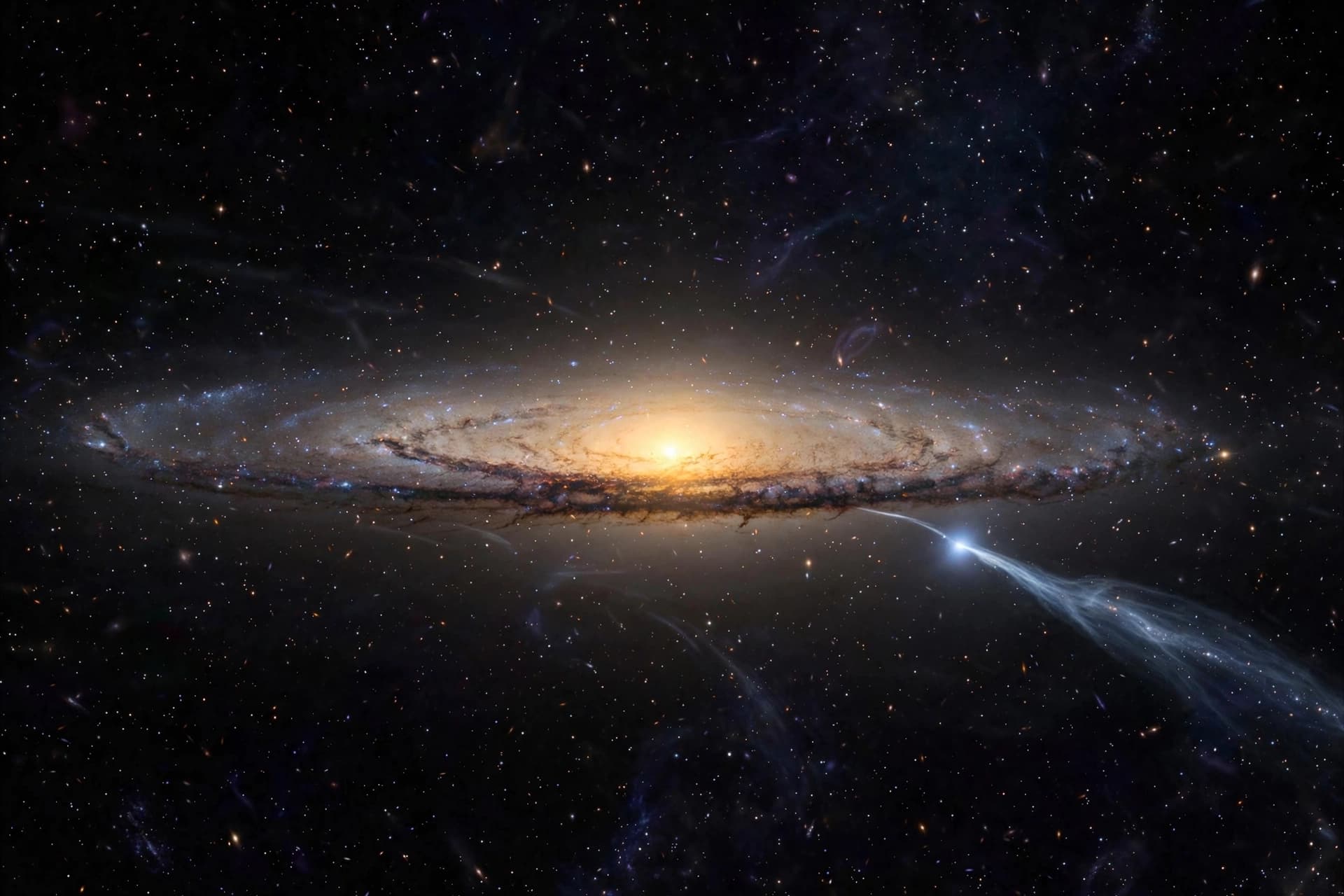
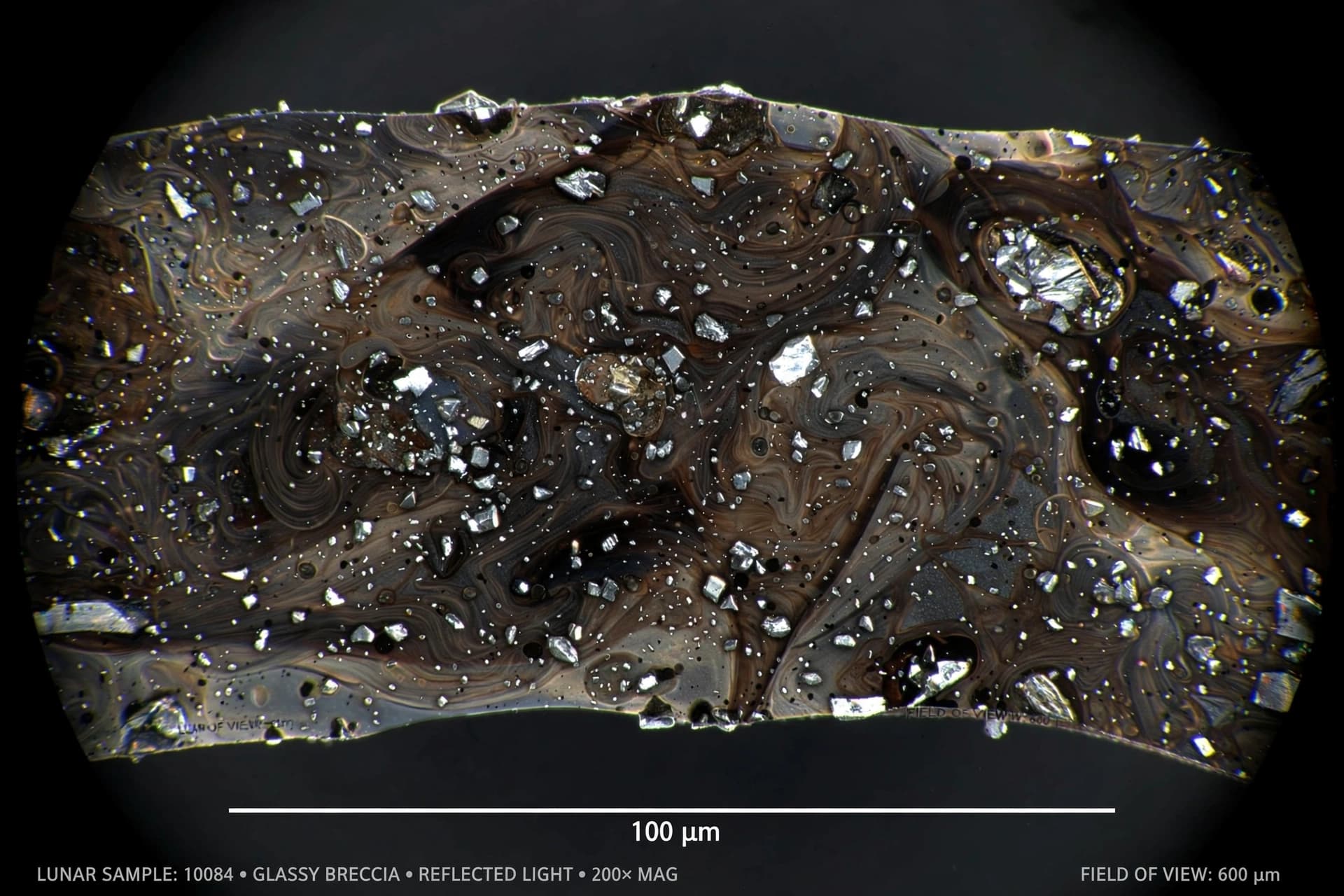
AI Image Disclaimer: The illustrations in this article were generated by artificial intelligence and are not photographs of actual animals or scientific procedures.
Sources: National Geographic, C&EN, ScienceDirect, New York Post
Published by Banx Network. This article is part of the Banx decentralized media programme, powered by the BXE token on the XRP Ledger.