There are decisions a nation makes that carry the weight of history in their silence—choices about justice, about punishment, about what a society permits in the name of order. This week, President Donald Trump approved one such decision, setting in motion the first military execution by firing squad in more than eighty years and the first military execution of any kind since 1961.
The decision concerns Nidal Hasan, a former U.S. Army psychiatrist who opened fire at Fort Hood, Texas, in November 2009, killing thirteen people and wounding more than thirty others. Hasan was convicted by a military jury in 2013 and sentenced to death . He represented himself at trial, called no witnesses, and made no attempt to deny the charges. He later said the attack was intended to stop soldiers from deploying to Afghanistan and Iraq .
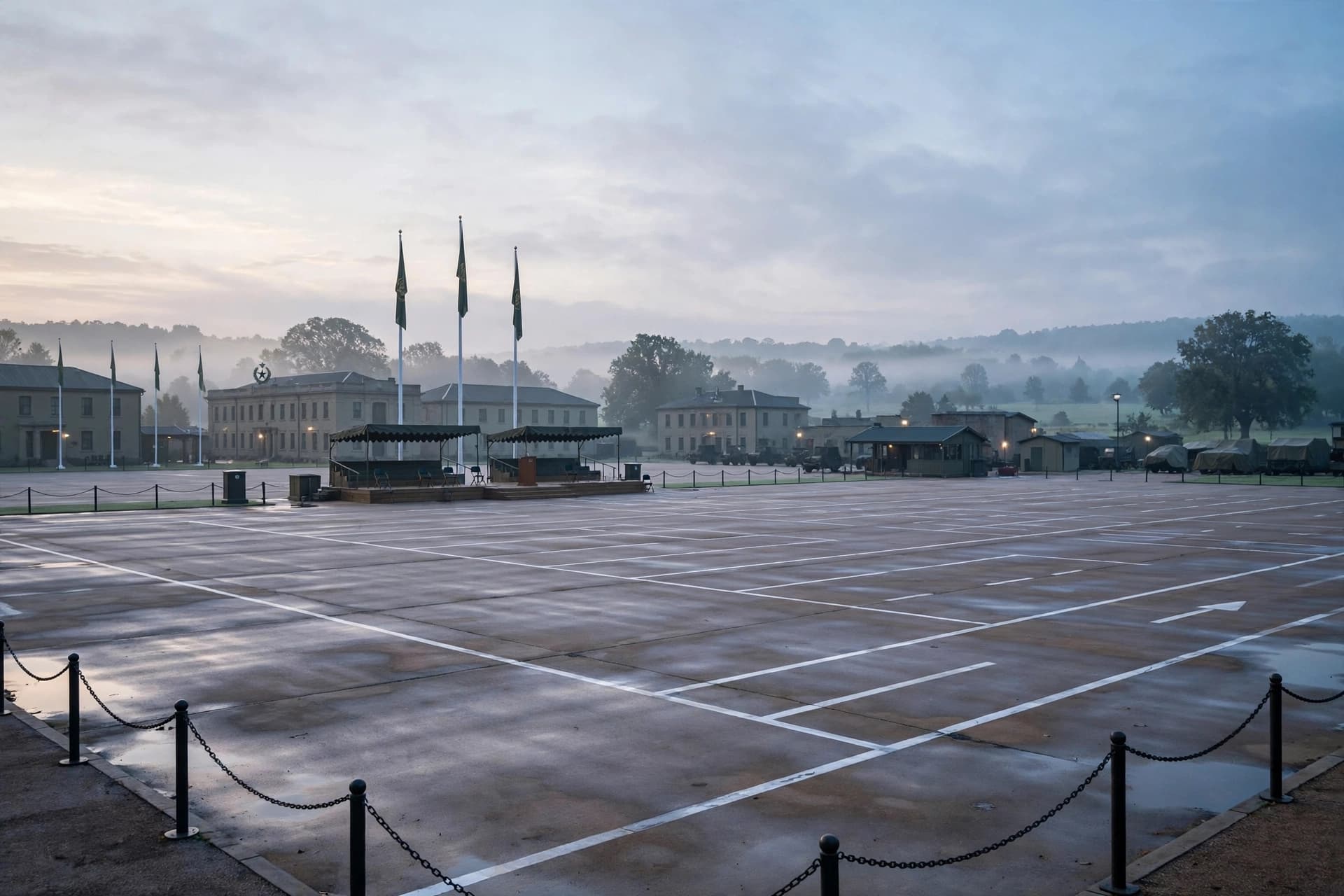
Defense Secretary Pete Hegseth recommended the firing squad method, and Trump approved it, according to Pentagon spokesperson Sean Parnell. "The Secretary of the Army will set the time and place of the execution," Parnell said. "Judgement day for Hasan has finally come" .
The last known U.S. military execution by firing squad was carried out in November 1945, and the last military execution of any kind was in 1961, when Private John Bennett was hanged . The Trump administration had added firing squad, gas asphyxiation, and electrocution to approved methods of execution in April 2026 .
Hasan, who was shot and paralyzed during his apprehension, remains on military death row at Fort Leavenworth, Kansas. He is one of four men currently under military death sentence . Legal experts note that the approval does not mean the execution will proceed immediately; Hasan could challenge it through habeas corpus petitions in civilian federal courts, potentially delaying it for years .
The decision comes amid broader debate about capital punishment in the United States. Days before the announcement, a failed lethal-injection execution in Tennessee prompted that state's governor to halt further executions and order an independent review. Asked about the incident, Trump said, "It shouldn't be very difficult" .
For the families of the thirteen people killed at Fort Hood, the decision may bring a measure of closure—or reopen wounds that have never fully healed. For a nation that has largely moved away from military executions, it marks a return to a practice that had been consigned to history.
AI Image Disclaimer: Visuals in this article are AI-generated and do not depict real persons or events.
Sources: Australian Broadcasting Corporation, TASS, GBC Ghana Online, Anadolu Ajansı, South China Morning Post, News18
Published by Banx Network. This article is part of the Banx decentralized media programme, powered by the BXE token on the XRP Ledger.