There is a particular rhythm to a nation in crisis—a rhythm that begins with a single grievance, that grows through the accumulation of smaller ones, and that eventually becomes something larger, something that touches every corner of public life. In France this autumn, that rhythm has become a drumbeat. Strikes, barricades, and fiscal turmoil have gripped the country in a season of discontent that has not yet reached its peak. The schools are blockaded. The streets are filled. The government is struggling to respond. And the underlying problems—inequality, underinvestment, and a political system that many feel has stopped listening—remain as unresolved as they were when the protests began.
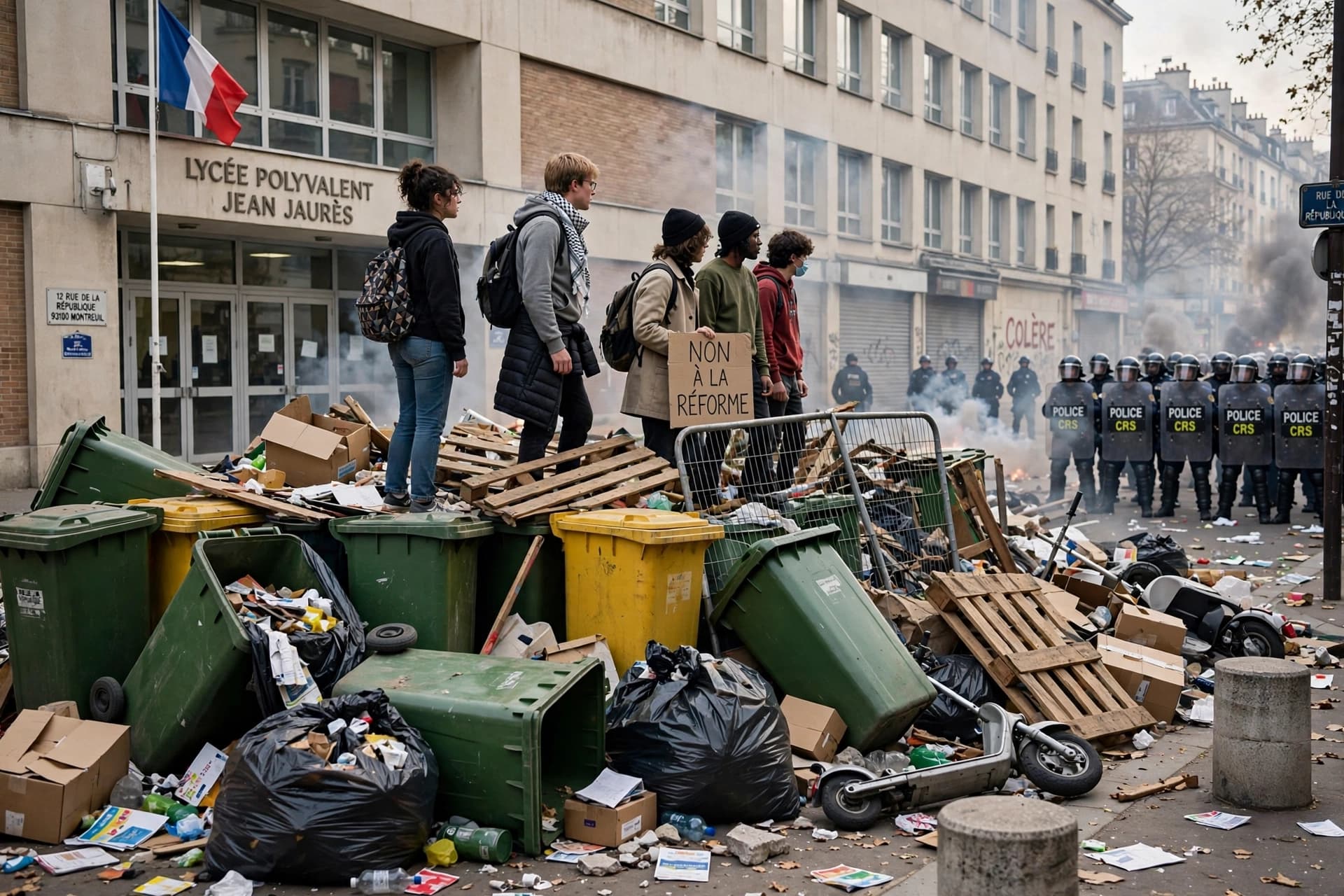
The immediate trigger was the schools. High school students, some as young as fifteen, began blocking their schools in the Paris suburbs in late September, protesting overcrowded classrooms, teacher shortages, and buildings that are literally falling apart. The movement spread rapidly, drawing in parents, university students, and trade unions. By early October, hundreds of schools had been closed or barricaded, more than 6,000 people had been arrested, and at least 215 teenagers and 715 police officers had been injured. The government called the escalation "urban violence" and deployed riot police, tear gas, and water cannons. Students called it repression.
But the schools are only one expression of a broader malaise. Public sector workers have held one-day strikes over pay and working conditions. Civil servants are angry about budget cuts and the rising cost of living. The government's 2027 budget proposal, expected to be presented this week, is likely to include further austerity measures that will deepen the frustration. Public opinion polls show the government of President Emmanuel Macron and Prime Minister Sébastien Lecornu to be deeply unpopular. And with presidential elections seven months away, the political stakes are enormous.
The fiscal dimension adds another layer of turmoil. France's debt and deficit have become a source of concern in European markets, and the government faces pressure from the European Commission to bring its finances into line. But austerity measures—cutting spending, raising taxes, or both—are precisely the kind of response that inflames the protests. The government is caught between the demands of Brussels and the anger of its own citizens.
For the students on the barricades, the grievances are specific and deeply felt: classrooms with thirty-five students, schools without working toilets or heating, school days that stretch from 8 a.m. to 6 p.m., buildings with leaking ceilings and rat infestations. "The building is falling apart, the cafeteria is too small," one student told The Guardian. "Zero budget, zero resources." These are not abstract complaints. They are the daily conditions of education in a country that prides itself on its commitment to public schooling.
The question that lingers is whether this autumn of discontent will become a winter of crisis. The protests have not yet reached the scale of the Yellow Vest movement of 2018-2019, which brought hundreds of thousands into the streets and forced the government into a series of concessions. But the anger is real, the grievances are legitimate, and the government's response so far has been more enforcement than engagement. The barricades remain. The strikes continue. And the fiscal pressure is mounting. For France, the autumn of discontent is not yet over. It may only be beginning.
AI Image Disclaimer: All images in this article are generated by artificial intelligence and are intended for illustrative purposes only.
Sources: The Guardian, BBC, Politico, AP News
Published by Banx Network. This article is part of the Banx decentralized media programme, powered by the BXE token on the XRP Ledger.