For over a decade, the smartphone has been the central hub of our digital lives. It is our camera, our wallet, our map, and our connection to the world. We hold it in our hands, stare into its glowing screen, and navigate our days through its apps. But technology is never static. Just as the phone replaced the landline and the laptop, a new device is waiting in the wings to redefine our interaction with the digital realm. Experts and futurists are increasingly pointing to autonomous wearables and ambient computing as the next frontier. This shift promises a world where technology recedes into the background, assisting us seamlessly rather than demanding our constant attention.
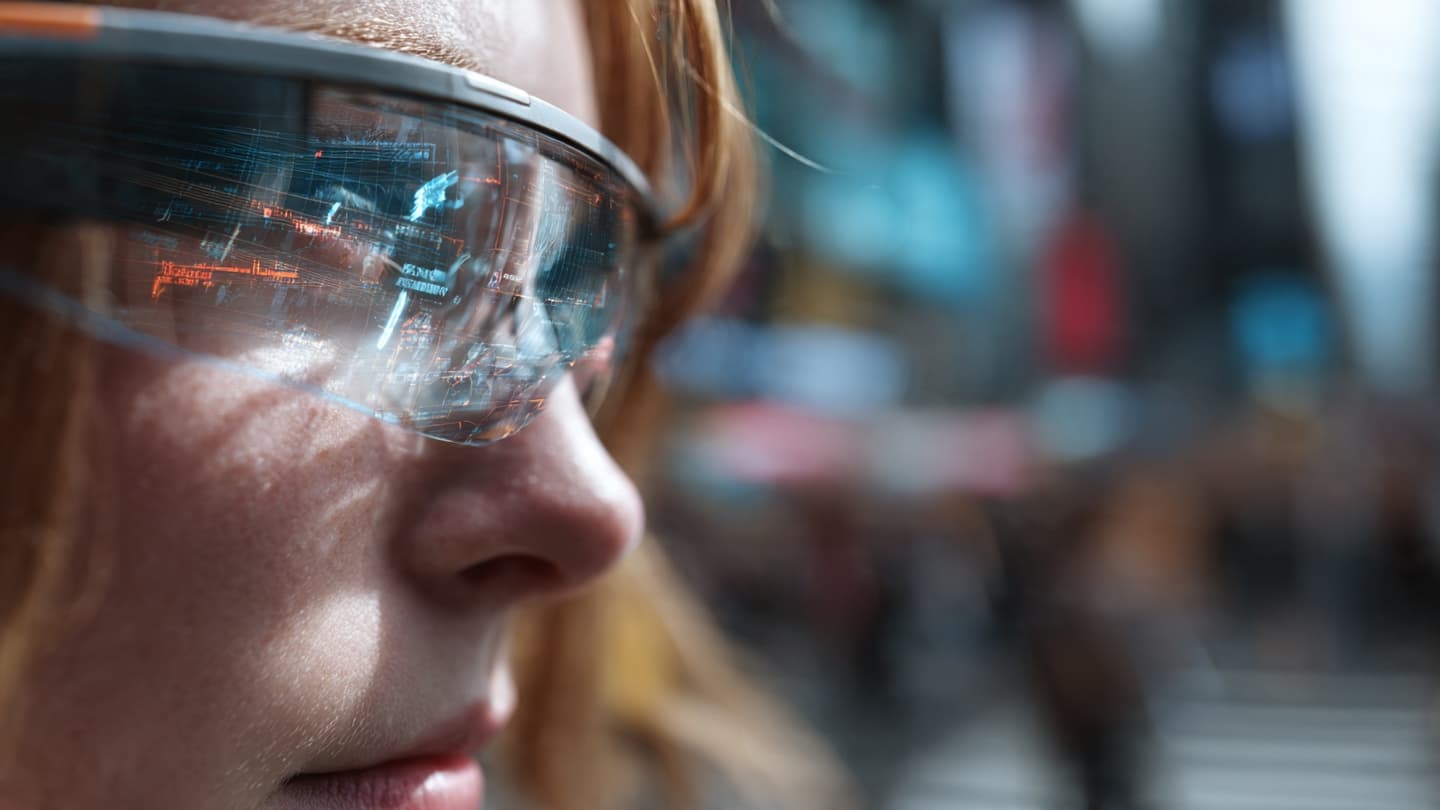
The concept of the "post-smartphone" era is not about abandoning connectivity, but about transforming it. Imagine glasses that overlay information onto your field of vision, earbuds that translate conversations in real-time, or pins that monitor your health and context without any input from you. These devices rely on advanced AI to anticipate needs and provide assistance proactively. The screen, once the primary interface, becomes optional or even obsolete. Interaction shifts from touch and tap to voice, gesture, and thought. It is a move towards a more natural and intuitive human-computer relationship.
This transition is driven by advancements in several key technologies. Miniaturization allows powerful processors to fit into small, wearable forms. Battery technology is improving, enabling longer usage times. But most importantly, AI is becoming sophisticated enough to understand context and intent. It can filter information, prioritize notifications, and act on our behalf. This intelligence is the engine that makes ambient computing possible, turning raw data into meaningful assistance.
However, the shift raises significant privacy and ethical questions. If devices are always listening, watching, and sensing, who controls that data? How do we ensure that this intimate level of monitoring is not exploited? Trust will be the currency of the post-smartphone era. Companies that prioritize transparency and user control will gain acceptance, while those that obscure their practices will face resistance. The design of these devices must embed privacy by default, making security a feature, not an afterthought.
For society, the implications are profound. Constant connectivity has already changed how we communicate and work. Ambient computing could deepen this integration, blurring the lines between the physical and digital worlds even further. It could enhance productivity and creativity, but it could also lead to new forms of distraction and dependency. We must be mindful of how these tools shape our behavior and relationships. The goal should be empowerment, not enslavement to algorithms.
The economic landscape will also shift. New industries will emerge around wearable tech, AI services, and spatial computing. Existing players in the smartphone market will need to adapt or risk obsolescence. Innovation will be rapid, with startups and giants alike racing to define the new standard. It is a dynamic environment full of opportunity and uncertainty.
As we stand on the brink of this new era, it is important to reflect on what we value in technology. Do we want devices that demand our attention, or ones that respect it? Do we want tools that isolate us, or ones that connect us more deeply? The answers to these questions will shape the design and adoption of post-smartphone technologies.
In the end, the future is not predetermined. It is a canvas we paint with our choices. By engaging with these emerging technologies critically and creatively, we can ensure that they serve our highest aspirations. The smartphone has had its day; now, let us welcome the next chapter with open eyes and thoughtful hearts.
AI Image Disclaimer: Images in this article are AI-generated illustrations, meant for concept only.
Sources: ESADE WIRED Bloomberg Reuters The New York Times
Published by Banx Network. This article is part of the Banx decentralized media programme, powered by the BXE token on the XRP Ledger.