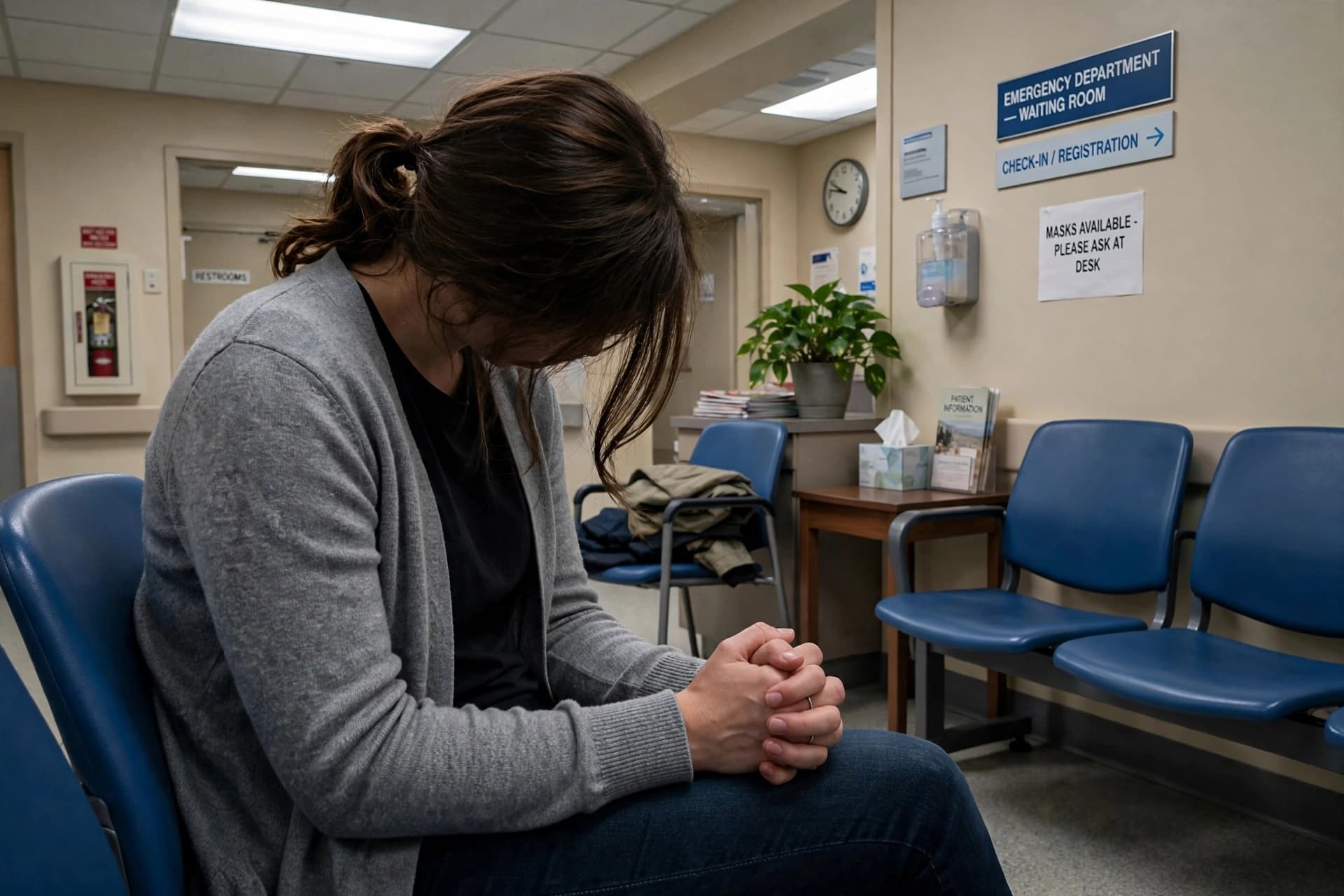
Opening: Health is a fragile gift, often taken for granted until it is threatened by invisible forces. Across the United States, a rising number of cases of Cyclospora infection has drawn the attention of health officials, with more than 2,800 individuals affected by the parasite. The symptoms, primarily severe watery diarrhea, are debilitating and disruptive, reminding us of the vulnerabilities inherent in our food supply. This outbreak is not just a medical statistic but a call to vigilance, highlighting the importance of food safety and public health infrastructure in protecting communities.
Body: Cyclospora cayetanensis is a microscopic parasite that infects the small intestine. It is typically transmitted through the consumption of contaminated fresh produce, such as berries, leafy greens, and herbs. The recent surge in cases has been linked to several outbreaks involving imported vegetables, underscoring the global nature of our food chain. When contamination occurs at the source, it can affect consumers across vast distances, making traceability and rapid response critical.
The symptoms of Cyclosporiasis can last for weeks if untreated, causing fatigue, nausea, and significant discomfort. For vulnerable populations, including the elderly and those with weakened immune systems, the impact can be more severe. Diagnosis often requires specific laboratory tests, as the parasite is not detected by standard stool exams. This complexity can delay treatment, prolonging suffering and increasing the risk of further transmission.
Health authorities, including the Centers for Disease Control and Prevention (CDC), are working diligently to identify the sources of contamination. They collaborate with federal agencies like the Food and Drug Administration (FDA) and state health departments to track cases and issue warnings. These efforts involve detailed interviews with patients, analysis of food purchase histories, and inspection of supply chains. It is a meticulous process that requires coordination and persistence.
Prevention remains the best defense against Cyclospora. Consumers are advised to wash fresh produce thoroughly, although washing may not remove all parasites. Cooking vegetables can kill the parasite, offering a safer alternative for those concerned about risk. Restaurants and food handlers are also urged to follow strict hygiene protocols to prevent cross-contamination. Public education plays a vital role in reducing the incidence of infection.
The economic impact of such outbreaks is also significant. Recalls of contaminated products can lead to financial losses for farmers, distributors, and retailers. Trust in certain brands or types of produce may be shaken, affecting consumer behavior long after the outbreak subsides. This highlights the need for robust food safety standards and investment in agricultural practices that minimize contamination risks.
International cooperation is essential, as many outbreaks originate from farms abroad. Strengthening regulatory frameworks in exporting countries and improving inspection processes at borders can help prevent contaminated goods from entering the market. It is a shared responsibility that requires dialogue and partnership between nations to ensure the safety of the global food supply.
For those affected, the experience is a stark reminder of the hidden dangers in everyday meals. Recovery involves rest, hydration, and sometimes antibiotic treatment. Support from healthcare providers and family is crucial during this time. As cases rise, the medical community remains alert, ready to respond to new clusters and provide care to those in need.
Closing: In the end, the Cyclospora outbreak is a challenge that demands collective action. It underscores the importance of vigilance in food safety and the resilience of public health systems. By staying informed and practicing safe food handling, we can protect ourselves and our communities. As investigations continue, the hope is that the source will be identified and contained, restoring confidence in the food we eat.
AI Image Disclaimer: Visuals accompanying this text are AI-generated conceptualizations intended to depict the themes of public health and food safety.
Sources: Centers for Disease Control and Prevention (CDC) Food and Drug Administration (FDA) Reuters
Published by Banx Network. This article is part of the Banx decentralized media programme, powered by the BXE token on the XRP Ledger.

.jpg&w=3840&q=75 "Qantas Grounds Plane After Passengers Report Bedbug Bites")