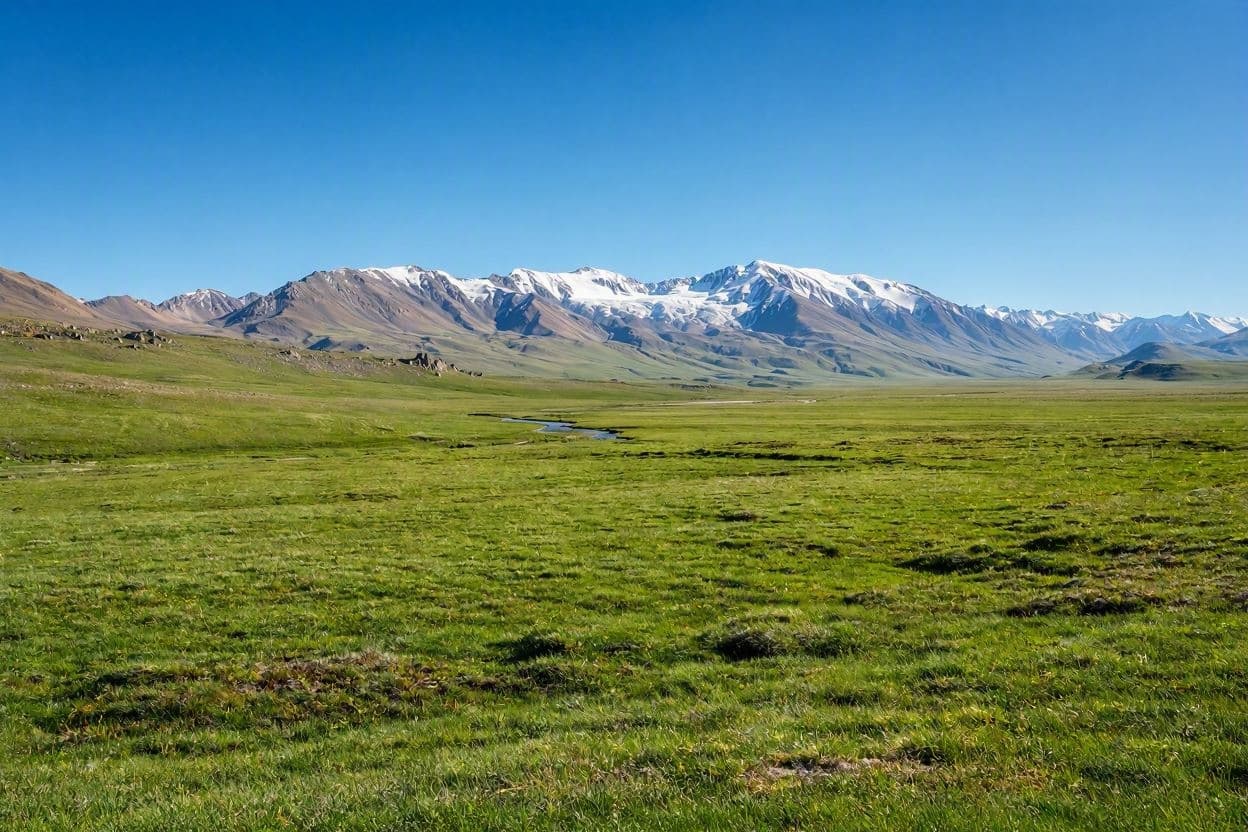
On the roof of the world, where the air is thin and the winds carry the whispers of ancient glaciers, the Tibetan Plateau stands as a sentinel of ecological resilience. Its grasslands are not merely patches of green but intricate tapestries woven from countless species, each playing a role in sustaining the delicate balance of life. Recent research suggests that the stability of this vast ecosystem relies less on the diversity of every single plant and more on the enduring presence of key functional groups, those foundational communities that hold the landscape together against the pressures of change.
The study highlights a nuanced understanding of how ecosystems maintain their integrity over time. While biodiversity is often celebrated as the primary driver of stability, this new perspective emphasizes the critical importance of functional redundancy. When dominant groups of plants—those that perform similar ecological roles such as nitrogen fixation or deep rooting—remain stable, the entire system is better equipped to withstand disturbances like drought or grazing pressure.
This finding challenges the simplistic view that more species always equal greater stability. Instead, it suggests that the consistency of specific functional traits is what truly anchors the ecosystem. If the dominant groups remain robust, they can compensate for the loss or fluctuation of less central species, ensuring that essential processes like carbon sequestration and soil formation continue uninterrupted.
The implications for conservation are profound. Protecting the Tibetan Plateau requires more than just counting species; it demands a focus on preserving the structural integrity of these key functional groups. Management strategies that prioritize the health of dominant plant communities may offer a more effective path to maintaining ecosystem services, which are vital not only for local pastoralists but for the global climate system.
Climate change poses a significant threat to these high-altitude grasslands, with rising temperatures and altered precipitation patterns disrupting traditional growth cycles. Understanding which functional groups are most vulnerable allows scientists and policymakers to target interventions more precisely. By bolstering the resilience of these core communities, we may help the entire ecosystem adapt to a rapidly changing environment.
Moreover, the stability of these grasslands has far-reaching effects beyond the plateau itself. They act as a crucial water tower for Asia, feeding major rivers that support billions of people downstream. Any disruption to their ecological balance could have cascading effects on water security and agricultural productivity across the continent, making their preservation a matter of regional and global importance.
The research also invites a deeper appreciation for the quiet strength of common species. While rare and exotic plants often capture our imagination, it is the humble, widespread grasses and sedges that do the heavy lifting in maintaining ecological order. Their steady presence provides the foundation upon which more specialized species can thrive, creating a harmonious coexistence that has persisted for millennia.
As we look to the future, this insight offers a guiding principle for sustainable land management. It reminds us that stability is not static but dynamic, rooted in the reliable performance of key players within the ecological community. By supporting these dominant functional groups, we honor the intricate web of life that sustains one of the planet’s most vital landscapes.
The stability of the Tibetan Plateau’s grasslands serves as a reminder of the interconnectedness of nature. By focusing on the resilience of dominant functional groups, we can better protect these essential ecosystems against the uncertainties of climate change. It is a call to action that blends scientific insight with a respectful stewardship of the natural world.
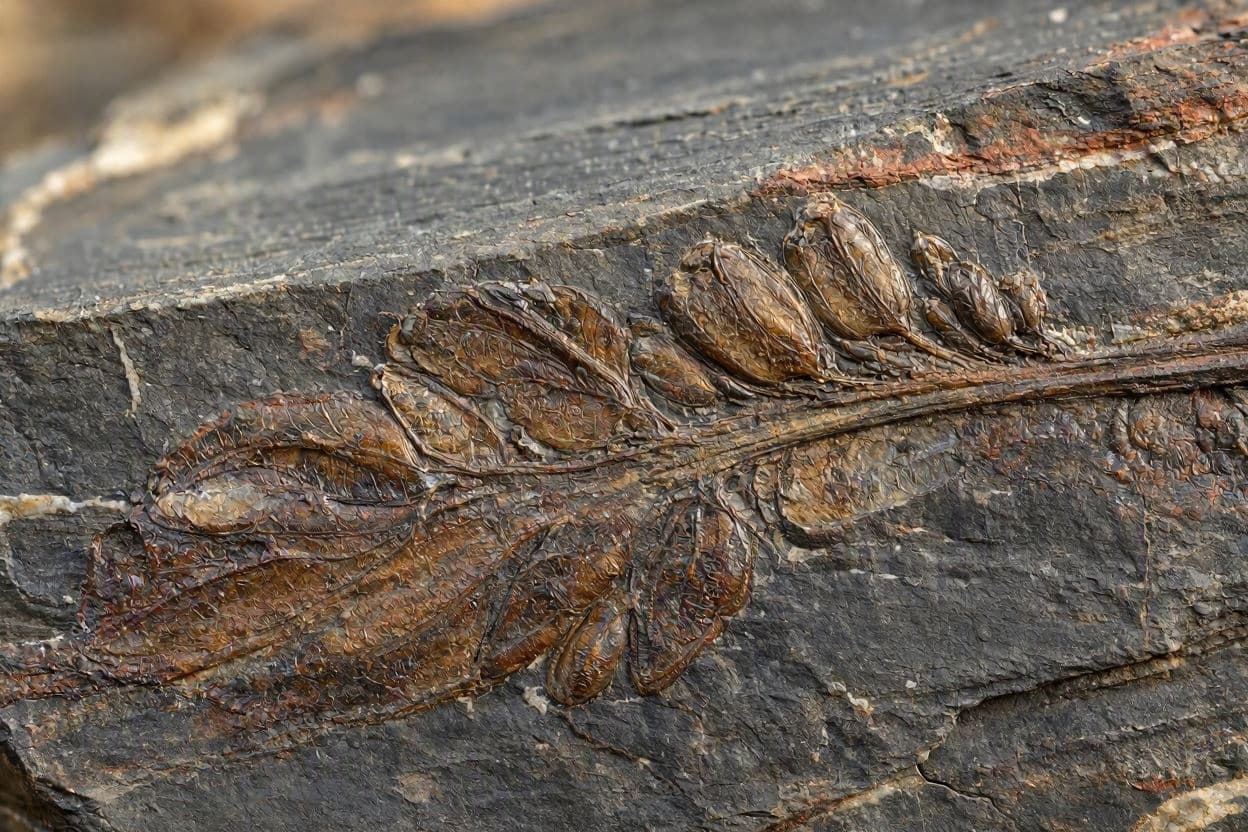
AI Image Disclaimer: The visual accompaniments to this article are AI-generated interpretations designed to reflect the serene and rugged beauty of the Tibetan Plateau grasslands.
Sources: Nature Ecology & Evolution Science of the Total Environment Global Change Biology
Published by Banx Network. This article is part of the Banx decentralized media programme, powered by the BXE token on the XRP Ledger.