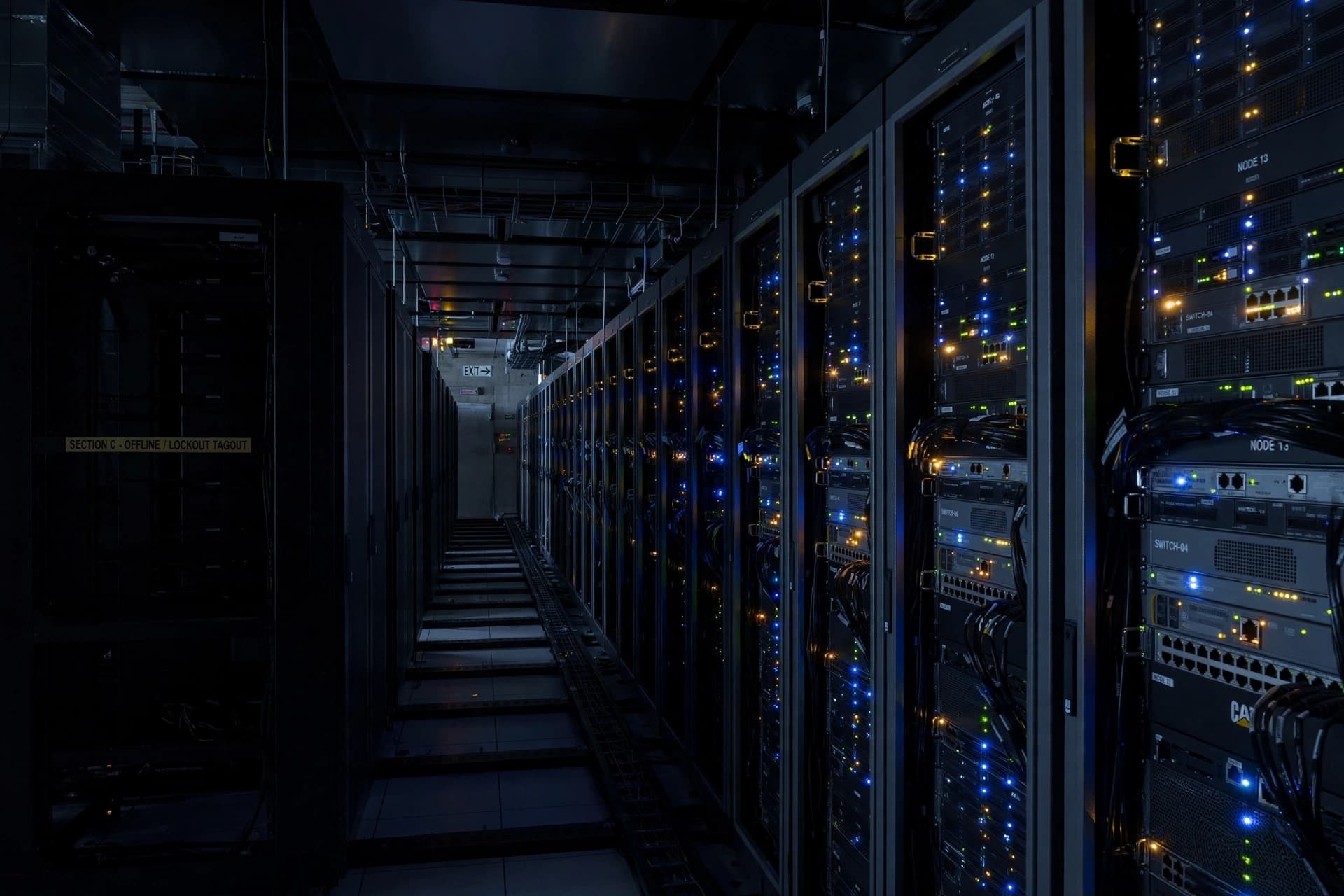
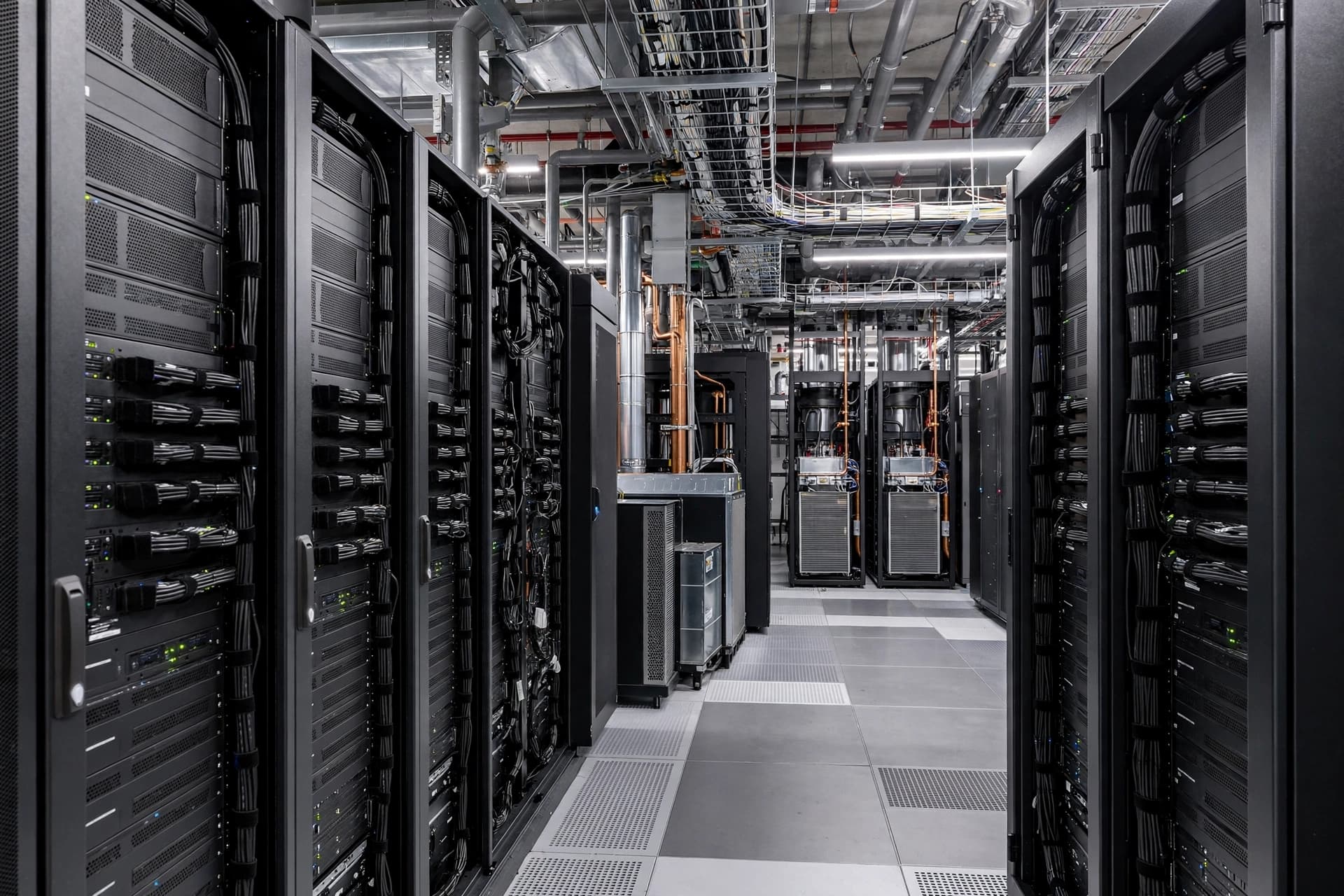
The internet is often imagined as a cloud — invisible, infinite, and untouchable. But the reality lies deep beneath oceans and deserts, in the quiet hum of server farms and the thin glass threads of undersea cables. Humanity’s most powerful invention runs on an infrastructure so physical, so tangible, that its vulnerability feels almost poetic: the modern world is held together by wires no thicker than a garden hose.
Over 95% of international data travels through roughly 550,000 miles of fiber-optic cables that lie on the ocean floor, connecting continents in a lattice of glass and light. These cables, built to endure storms and currents, are surprisingly easy to damage. A ship’s anchor can snap one in seconds. In 2022, a single fishing accident off France’s coast briefly disrupted Europe’s connectivity. In another instance, volcanic activity near Tonga severed its main cable, isolating the island nation from the world for weeks.
Yet the cables aren’t the only weak link. Data centers, the digital lungs of the internet, consume vast amounts of electricity — about 2% of global power use — and depend on stable grids and cooling systems. A power outage, cyberattack, or supply chain disruption could ripple into sudden silences online. The cloud, it turns out, is tethered to the ground.
Governments and private companies are racing to fortify this unseen infrastructure. New redundant cable routes are being laid through the Arctic; low-Earth orbit satellites like Starlink offer partial backup; and cybersecurity agencies are simulating “black-sky events” — worst-case scenarios where digital collapse meets real-world chaos. Still, experts warn that resilience has limits. The internet was never designed to fail gracefully; it was designed to expand endlessly.
If the internet went offline, even temporarily, the consequences would echo instantly. Global finance would stall, communications would fracture, and emergency systems could freeze. The digital economy — worth over $20 trillion — rests on an unbroken hum of connectivity that most of us take for granted.
The irony is haunting: the network that connects humanity is also one of its most delicate creations. It binds the world in light yet depends on the patience of cables, the stability of grids, and the goodwill of weather. In the end, the internet’s greatest illusion may be permanence — a reminder that even the global web, for all its reach, can tremble like a single strand.
AI Image Disclaimer AI-generated illustrations are for conceptual representation only and do not depict real-world events or data.
Sources This article is based on reporting from Reuters, Wired, BBC Future, The Guardian, National Geographic, and International Cable Protection Committee (ICPC).
Published by Banx Network. This article is part of the Banx decentralized media programme, powered by the BXE token on the XRP Ledger.