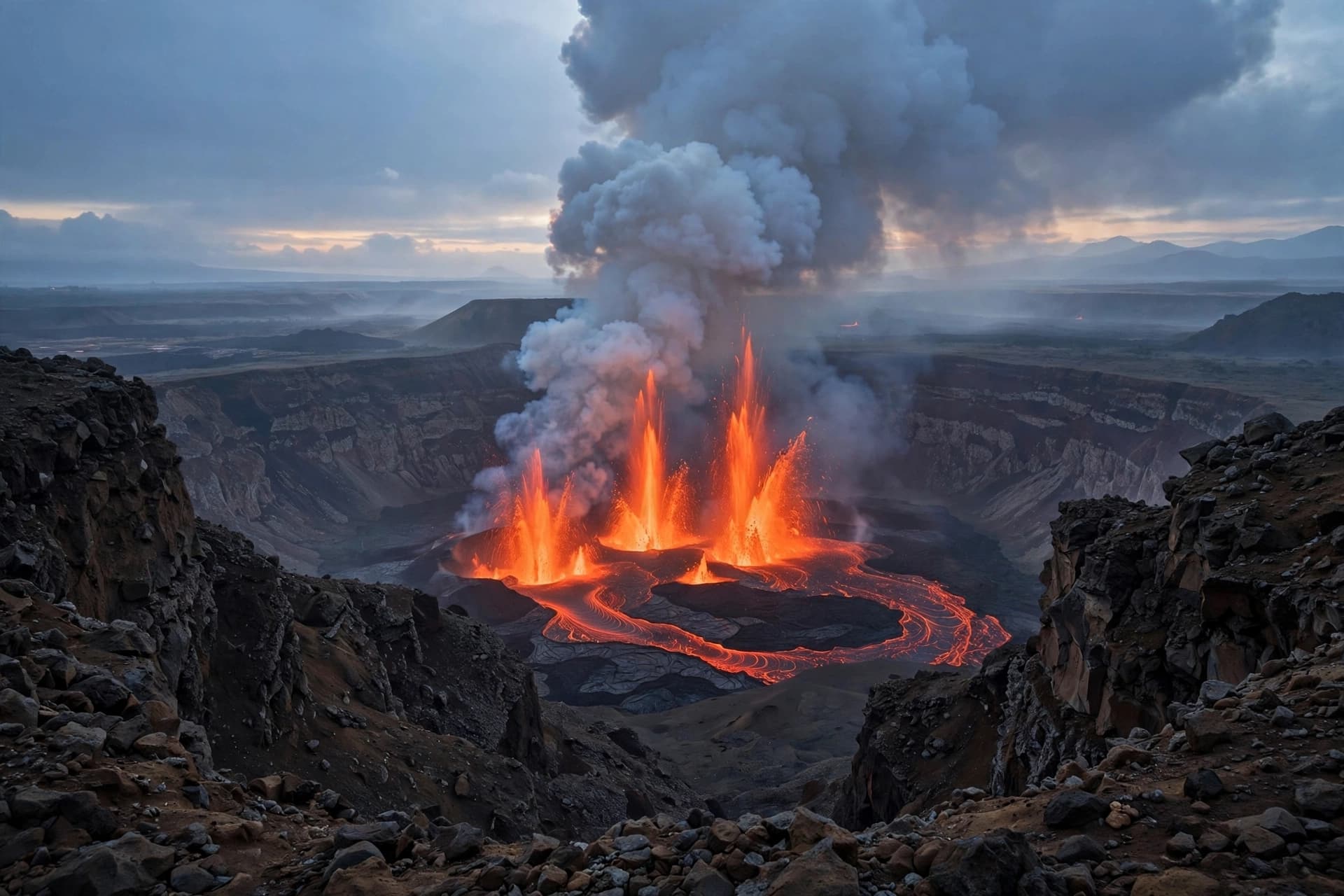
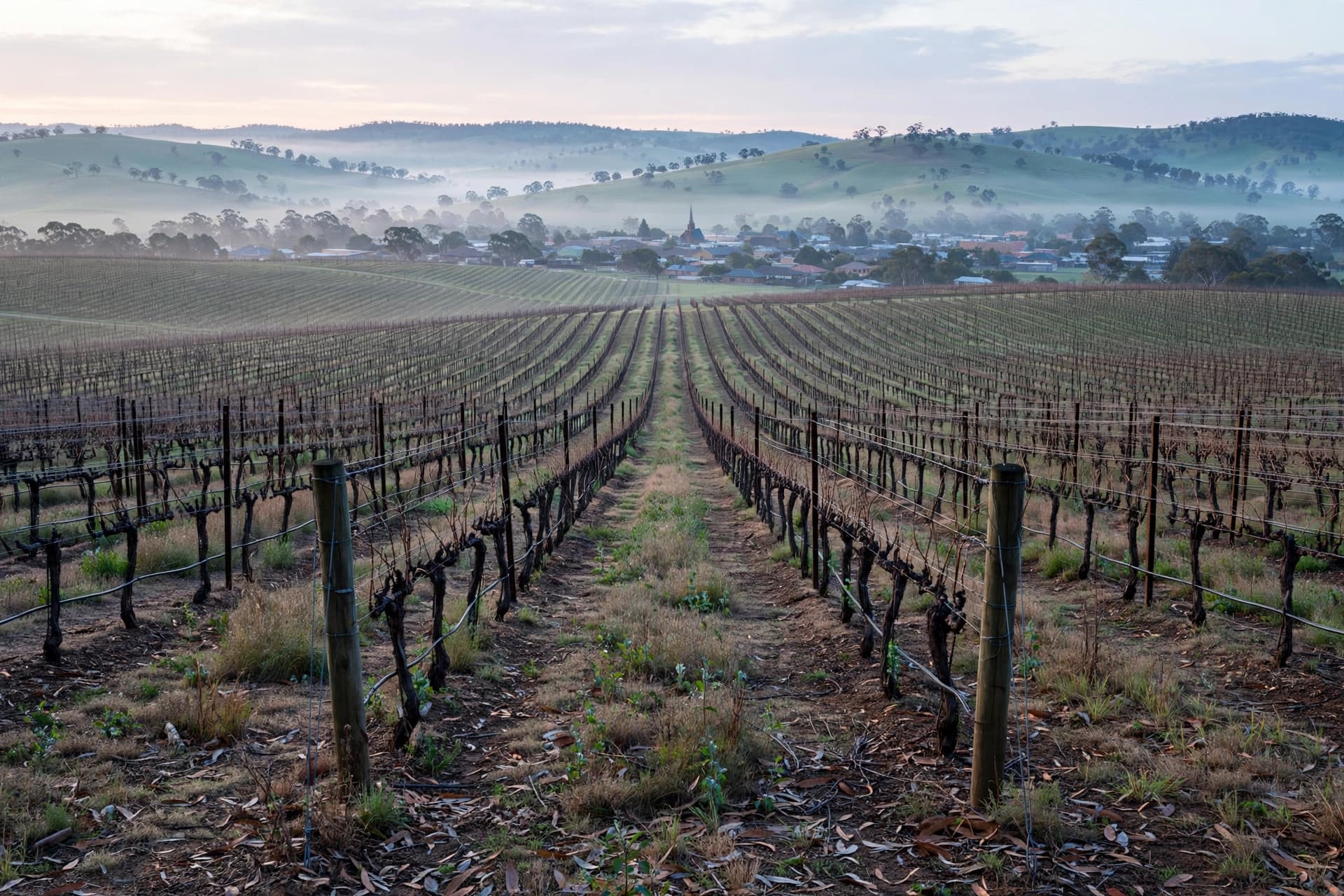
There was a time when forests were spoken of as constants. They stood quietly at the edges of history, growing while civilizations rose and fell, their rhythms slow enough to seem permanent. A forest, once rooted, felt like a promise kept across generations. Today, that sense of patience is thinning, and scientists say the change is no longer subtle.
Across continents, forests are shifting in ways that are faster and less predictable than before. Rising temperatures, altered rainfall, invasive species, pests, and human pressure are reshaping tree communities that once evolved over centuries. In some regions, familiar species struggle to regenerate. In others, forests burn more often, recover more slowly, or transform into something entirely different. Researchers describe these changes not as isolated events, but as patterns repeating across the globe.
What concerns scientists most is the speed. Trees are long-lived organisms, adapted to gradual shifts, not abrupt ones. When climate zones move faster than seeds can travel, forests fall out of sync with their environment. Drought weakens roots, heat stresses leaves, and insects thrive where cold once kept them in check. The forest, once resilient through diversity and time, becomes more vulnerable when pressures arrive all at once.
These changes ripple outward. Forests regulate water, store carbon, and shelter much of Earth’s terrestrial biodiversity. As their structure changes, so do the services they quietly provide. Carbon that was once locked in wood and soil is released through fires and decay. Habitats fragment, and species dependent on specific forest conditions face uncertain futures. Scientists emphasize that these shifts are not predictions but observations already underway.
Yet the story is not one of collapse alone. Researchers also document forests adapting where conditions allow, with new species taking root and ecosystems reorganizing themselves. The concern lies in whether these transitions can occur without losing critical functions along the way. Understanding where forests can adapt, and where they cannot, has become a central focus of ecological research.
In response, scientists continue to call for careful monitoring, long-term studies, and policies that reduce pressures on remaining forests. Their message is measured but clear: forests are changing faster than expected, and how societies respond in the coming years will shape what these landscapes become.
AI Image Disclaimer “Graphics accompanying this article were generated using AI and are intended for illustrative purposes rather than real-world depiction.”
Sources Nature Science National Geographic The New York Times Scientific American
Published by Banx Network. This article is part of the Banx decentralized media programme, powered by the BXE token on the XRP Ledger.