Industrial progress has always been closely tied to innovation. From steam engines to computerized machinery, each era introduces tools that redefine how products are designed, manufactured, and delivered. Today, automation is becoming one of the defining forces shaping the future of global industry.
Recent market reports indicate continued expansion in the industrial automation sector as manufacturers invest in technologies designed to improve productivity and operational efficiency. Robotics, artificial intelligence, advanced sensors, and digital monitoring systems are increasingly becoming standard features within modern production environments.
Manufacturers face growing pressure to meet demand while maintaining quality and controlling costs. Automation offers solutions that help organizations streamline repetitive processes, improve consistency, and enhance overall performance across production lines.
The adoption of smart factory technologies is accelerating. Connected systems allow equipment, sensors, and software platforms to communicate in real time, providing managers with greater visibility into operations and enabling faster decision-making.
Artificial intelligence is playing a growing role within industrial environments. Predictive maintenance systems, for example, can analyze equipment performance and identify potential issues before they result in costly downtime. Such capabilities contribute to greater reliability and efficiency.
The benefits extend beyond productivity. Automated systems can support workplace safety by reducing exposure to hazardous tasks and assisting employees with physically demanding activities. Many organizations view automation as a tool for enhancing human capabilities rather than replacing them entirely.
Investment activity remains strong across sectors including automotive manufacturing, electronics, pharmaceuticals, food processing, and heavy industry. Each industry seeks ways to improve competitiveness through technology-driven improvements.
Governments and industry groups continue supporting innovation through workforce development programs and advanced manufacturing initiatives. These efforts aim to ensure businesses can adapt to evolving technological requirements.
Challenges include implementation costs, integration complexity, and the need for specialized skills. However, many organizations believe the long-term benefits outweigh these initial barriers.
For now, the growth of industrial automation reflects a broader transformation taking place across the global economy. As technology becomes increasingly integrated into manufacturing, factories are evolving into smarter, more connected environments capable of supporting future growth.
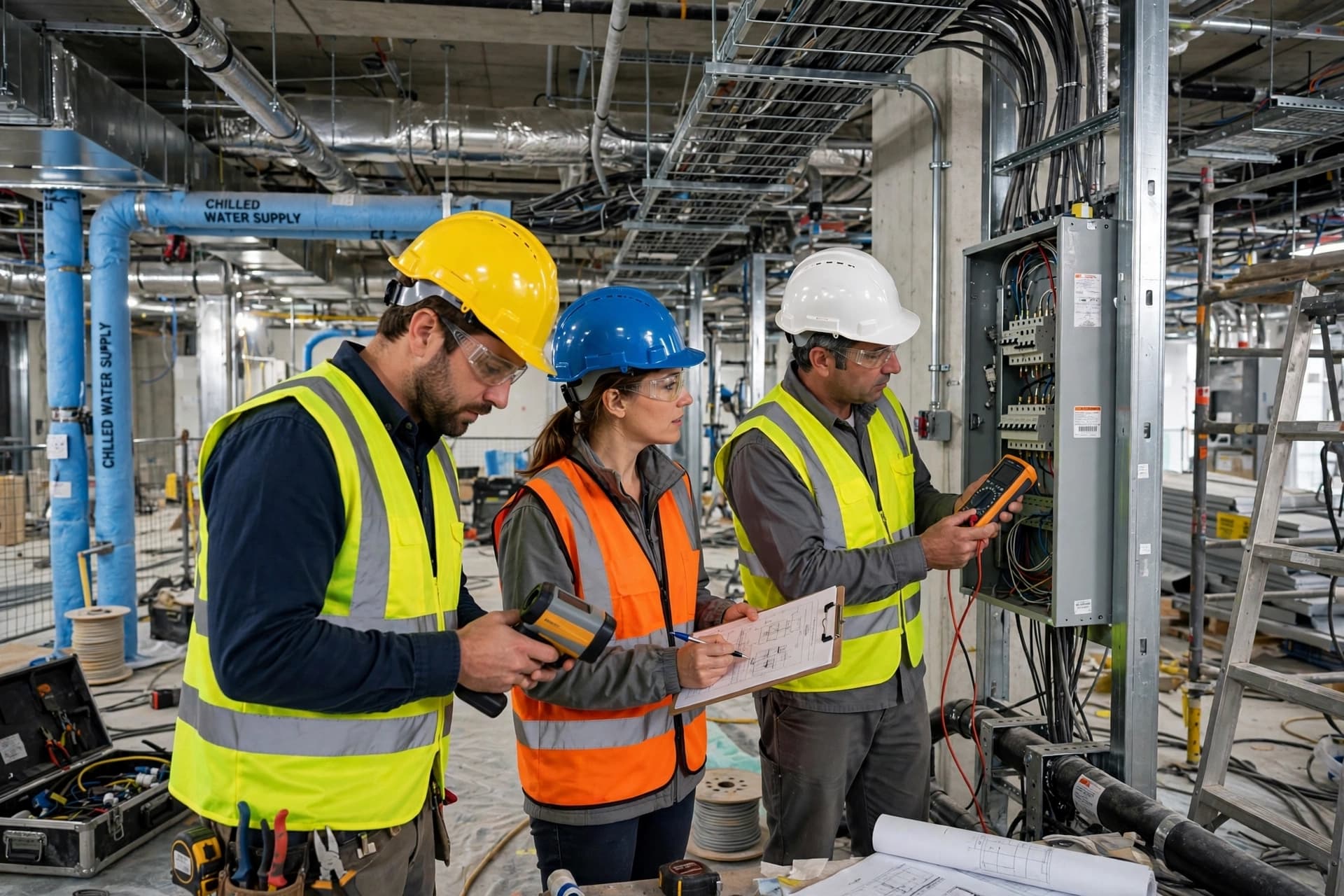
AI Image Disclaimer Images in this article are AI-generated illustrations, meant for concept only.
Sources (Source Check) Reuters Bloomberg International Federation of Robotics (IFR) McKinsey & Company Deloitte
Published by Banx Network. This article is part of the Banx decentralized media programme, powered by the BXE token on the XRP Ledger.