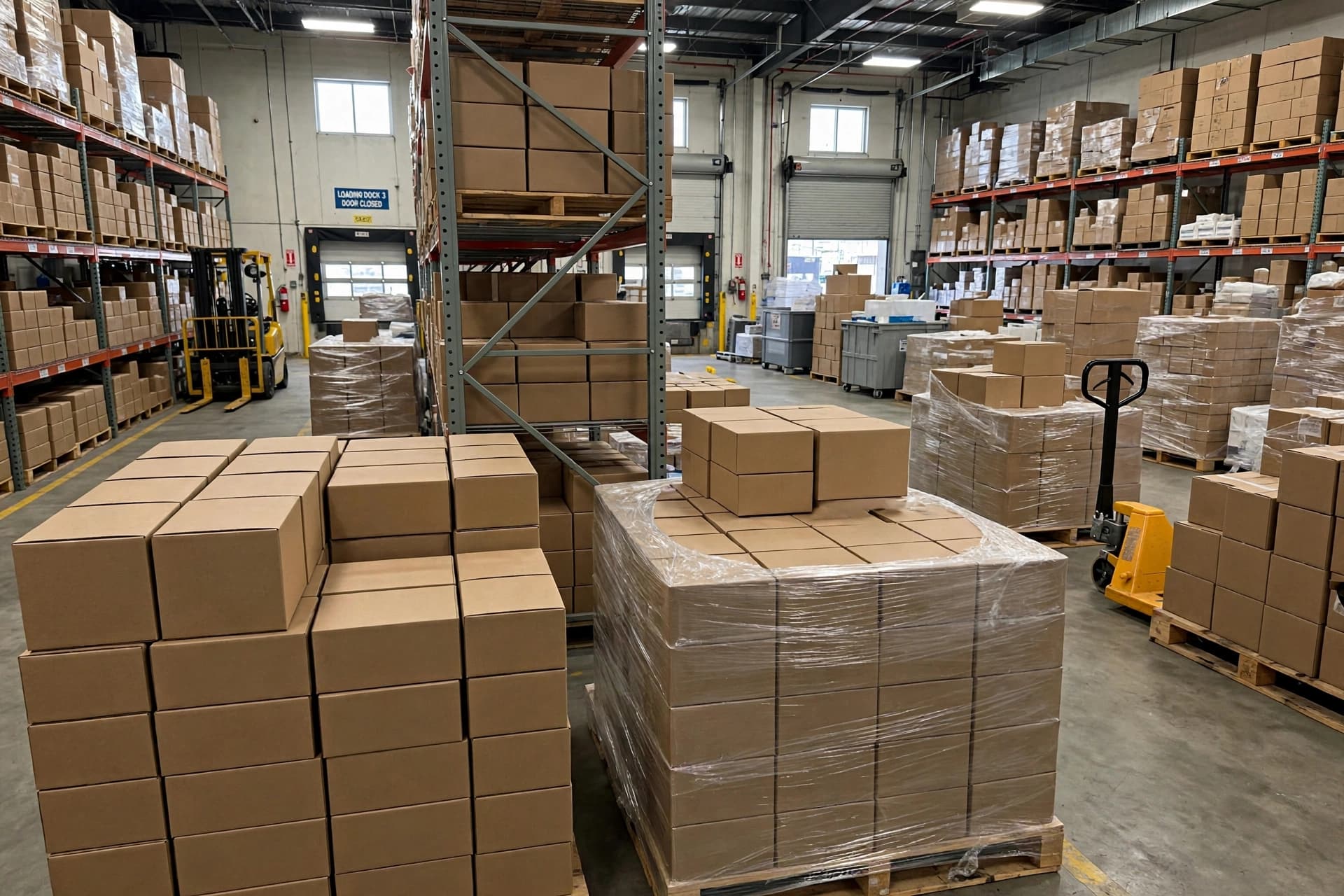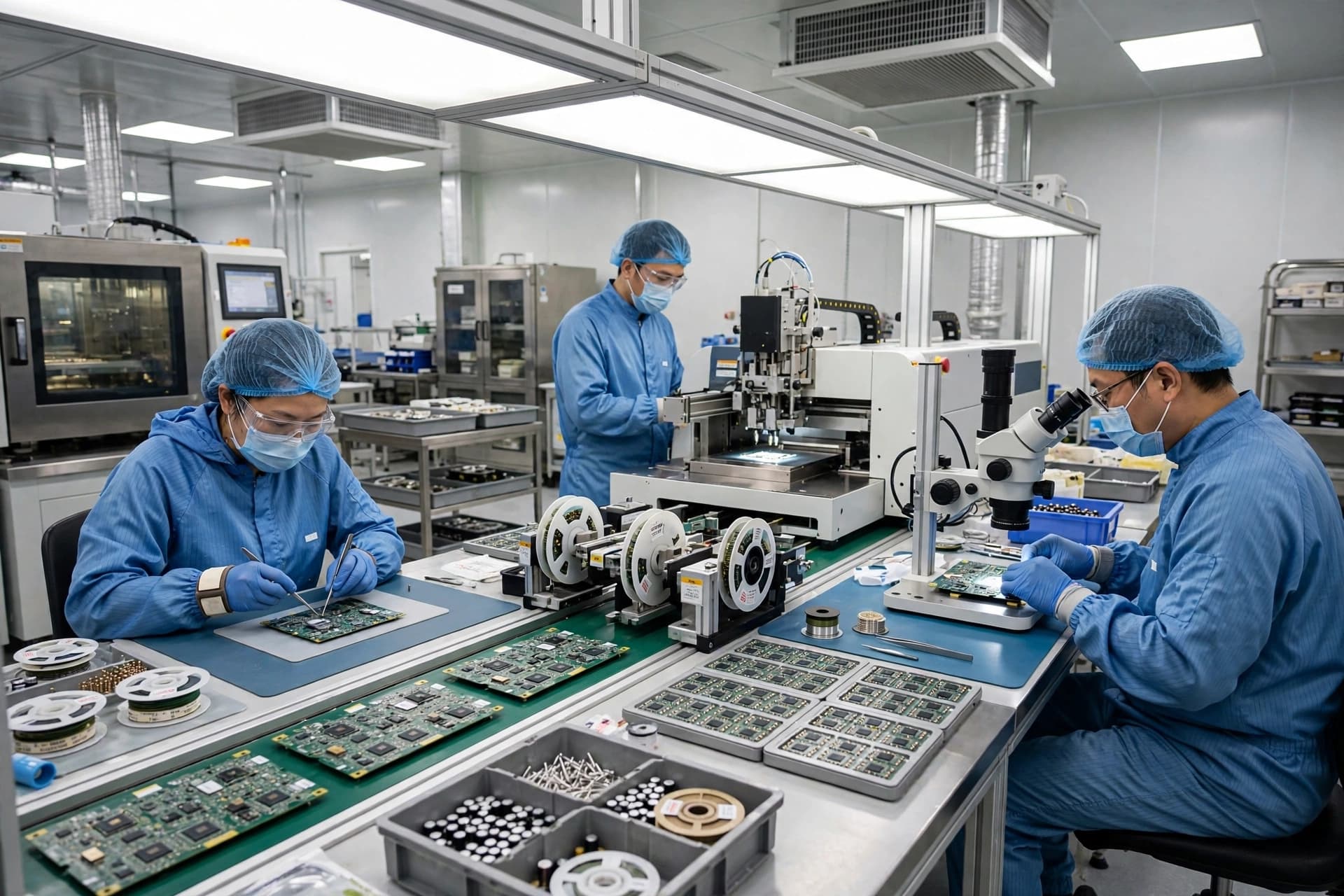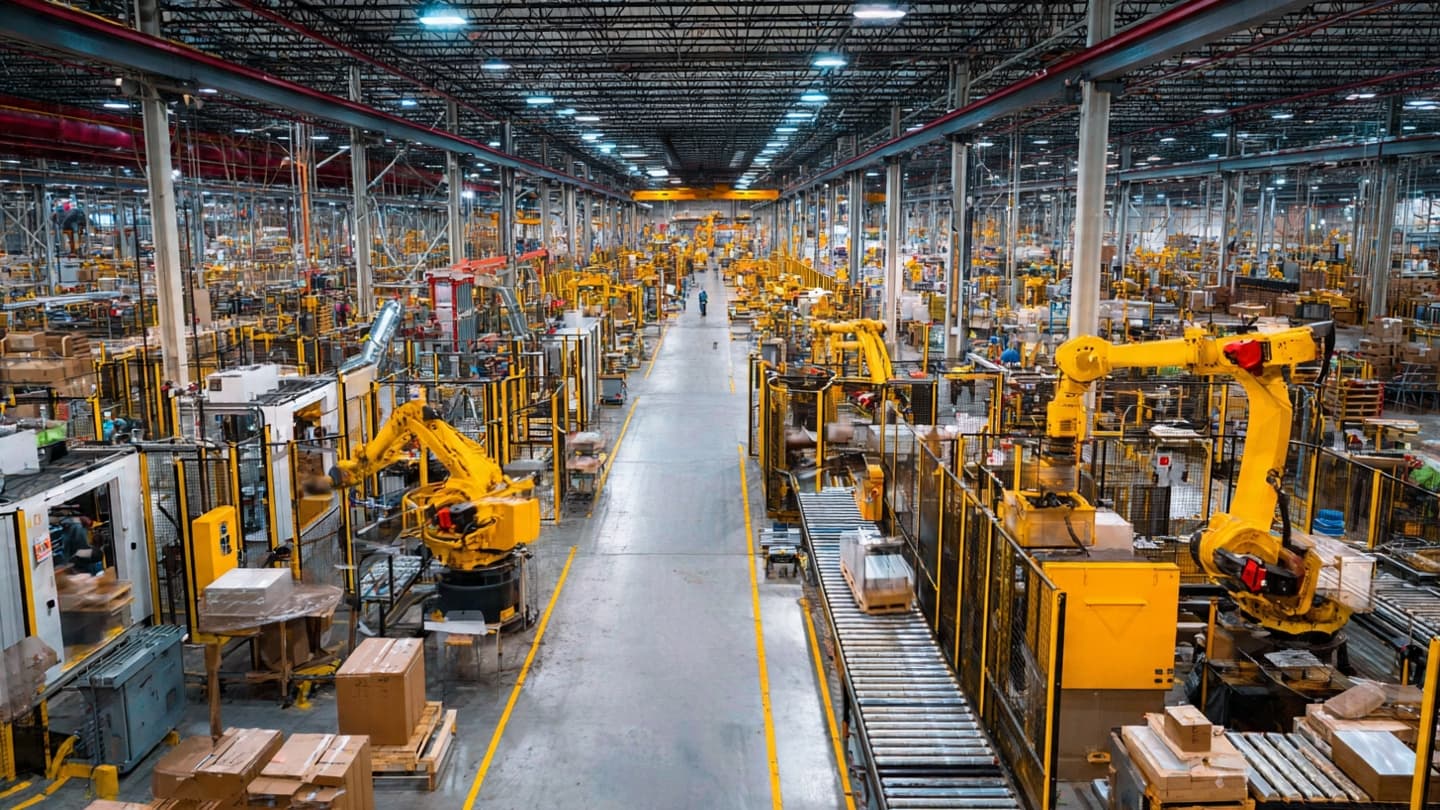
Factory floors have their own language. It can be heard in the rhythm of machines, the movement of materials and the steady arrival of trucks carrying another day's supplies. In the United States, that industrial rhythm became somewhat stronger in August as manufacturers reported improving activity.
The S&P Global Flash U.S. Manufacturing Purchasing Managers' Index rose to 51.9 in August from 49.8 in July, moving back above the 50 level that separates expansion from contraction. The increase was accompanied by stronger new orders and production. (reuters.com)
New orders are often among the earliest signs of changing industrial conditions. When customers place more orders, factories can respond by increasing production, purchasing additional materials and adjusting schedules for workers and machinery.
The improvement was particularly notable because manufacturing had weakened during the previous month. The August figures therefore suggested that some of the pressure affecting U.S. factories had eased, even though the broader economic picture remained mixed.
Technology also continues to influence the manufacturing landscape. Advanced machinery, automation and artificial intelligence are increasingly being incorporated into industrial operations, allowing companies to monitor equipment, manage production and analyze large amounts of information.
Yet the recovery in output did not immediately translate into stronger employment. Manufacturing employment continued to decline, according to the survey, illustrating how production can increase without creating an equivalent rise in factory jobs.
That distinction reflects the changing nature of industrial work. Modern manufacturing can produce more with fewer workers when automation, robotics and software become more deeply integrated into production systems.
Costs remain another part of the picture. Companies continue to face expenses related to materials, transportation and other inputs, while stronger demand can make it easier for manufacturers to pass some costs through to customers.
The movement in manufacturing also matters for communities beyond factory gates. Industrial facilities are connected to suppliers, trucking companies, warehouses and local services, meaning a change in factory activity can gradually affect a much wider economic network.
For now, the August reading offers a modestly stronger picture of American manufacturing. Production and orders have returned to expansion, while employment and costs remain areas to watch as companies navigate the next stage of the industrial cycle. (reuters.com)
AI Image Disclaimer These visuals were generated with AI as conceptual representations of American manufacturing and should not be considered photographs of actual factories or reported events.
Sources Reuters S&P Global Federal Reserve U.S. Census Bureau Institute for Supply Management
Published by Banx Network. This article is part of the Banx decentralized media programme, powered by the BXE token on the XRP Ledger.