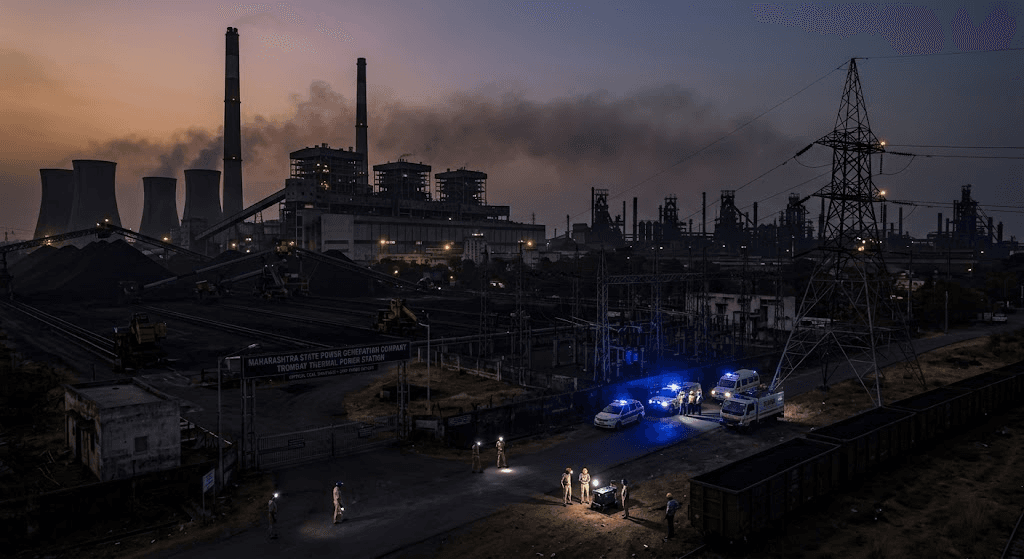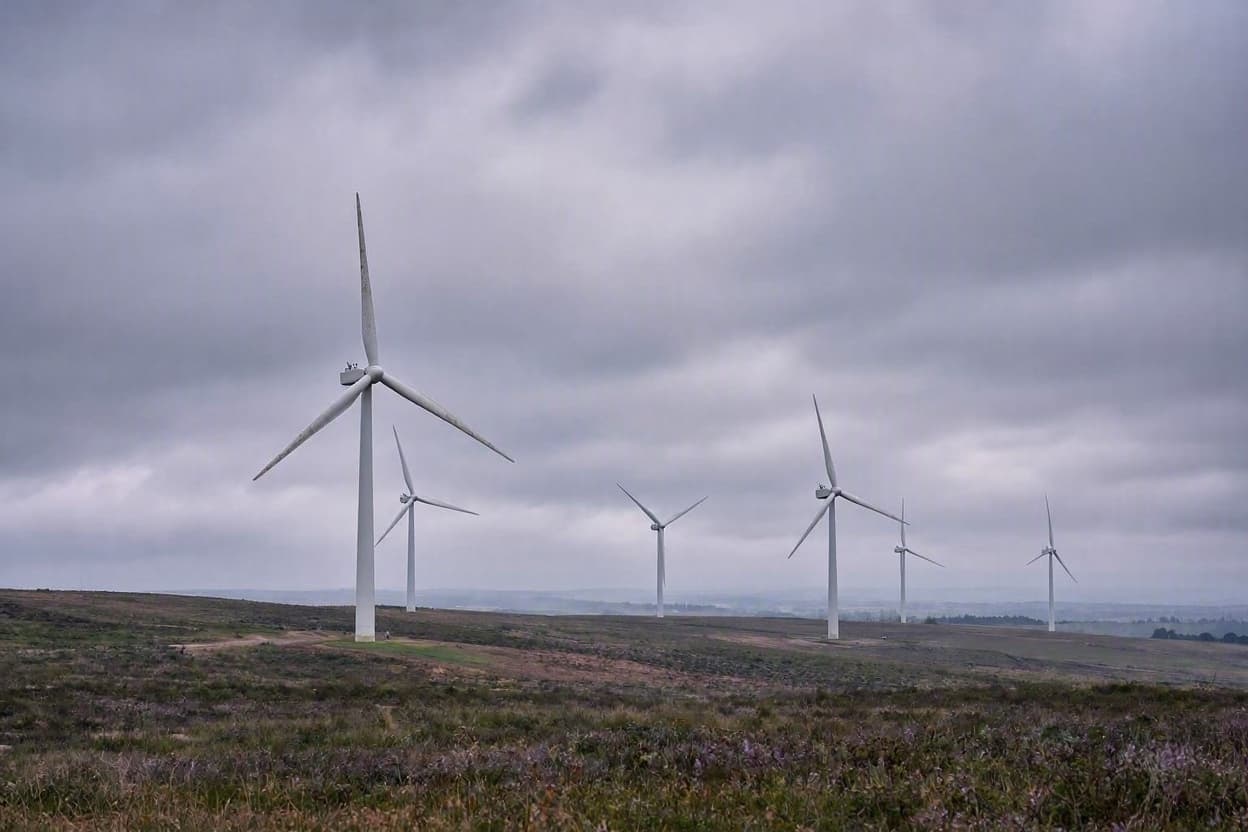
The transition to renewable energy is often envisioned as a steady march toward a cleaner future, powered by the wind and sun. However, recent trends suggest that the pace of this journey may be slowing. Australia, a nation blessed with abundant natural resources, is facing a "wind project drought," with fewer new developments reaching financial closure. This stagnation raises questions about the country’s ability to meet its ambitious emissions reduction targets, highlighting the complex interplay between policy, economics, and infrastructure.
Industry analysts point to a combination of factors contributing to the slowdown. Rising costs of materials and labor, coupled with supply chain disruptions, have made new projects less financially viable. Additionally, grid connection delays and regulatory hurdles have created uncertainty for developers, causing some to pause or cancel planned investments. The result is a gap in the pipeline of new wind farms needed to replace aging coal-fired power stations.
The federal government has set aggressive targets for renewable energy adoption, aiming for 82% renewable electricity by 2030. Achieving this goal requires a significant acceleration in project approvals and construction. Yet, the current rate of development falls short of what is needed. Experts warn that without immediate action, the country may face energy shortages and higher prices in the coming years.
State governments are also grappling with the challenge. While some have introduced incentives to boost investment, others are struggling with community opposition and planning complexities. The social license to operate is crucial for wind projects, and engaging with local communities remains a key hurdle. Balancing environmental benefits with local concerns requires careful negotiation and transparency.
Investors, meanwhile, are adopting a wait-and-see approach. Policy clarity is essential for long-term commitment, and mixed signals from different levels of government have created hesitation. Streamlining approval processes and providing clear roadmaps could help restore confidence and stimulate activity in the sector.
The impact of this drought extends beyond energy security. It affects job creation, regional development, and Australia’s international reputation as a leader in climate action. Addressing the bottleneck requires a coordinated effort from policymakers, industry leaders, and communities. It is a test of the nation’s commitment to its green energy promises.
Despite the challenges, there is optimism that the situation can be improved. New technologies, such as larger and more efficient turbines, offer potential cost savings. Additionally, improved grid infrastructure could facilitate easier integration of renewable sources. The path forward is difficult, but not impossible.
The slowdown in wind project development serves as a wake-up call for Australia’s energy transition. Meeting green targets will require renewed focus, streamlined processes, and sustained investment to ensure a reliable and sustainable power future.
AI Image Disclaimer: The visual materials associated with this article are AI-generated and serve as illustrative aids rather than factual documentation.
Sources: The Guardian Australian Financial Review Clean Energy Council ABC News
Published by Banx Network. This article is part of the Banx decentralized media programme, powered by the BXE token on the XRP Ledger.