There are moments when the machinery of the state, designed with precision and protocol, encounters something it did not anticipate—and in that gap between plan and reality, the ordinary systems that serve everyone else suddenly reveal their own fragility. In Nashville, the failed execution of Christa Pike has left behind not only questions about capital punishment but a quieter, more troubling record: the sound of a prison calling for help and being told, in effect, that the call could not be believed.
Recordings released this week by Nashville’s Department of Emergency Communications show that after Pike survived a second dose of pentobarbital on September 30, more than ninety minutes passed before she was loaded into an ambulance . The delay, according to the recordings, stemmed from a breakdown in communication: the first caller from Riverbend Maximum Security Institution did not have the security code required to verify the call was real .
“We’ve been carrying out an execution tonight,” the caller said, according to a transcript. “We’ve administered 10 grams of pentobarbital. The person is not yet deceased. That started approximately one hour ago. And we’re calling for an ambulance” . The dispatcher asked for the code. The caller did not have it .
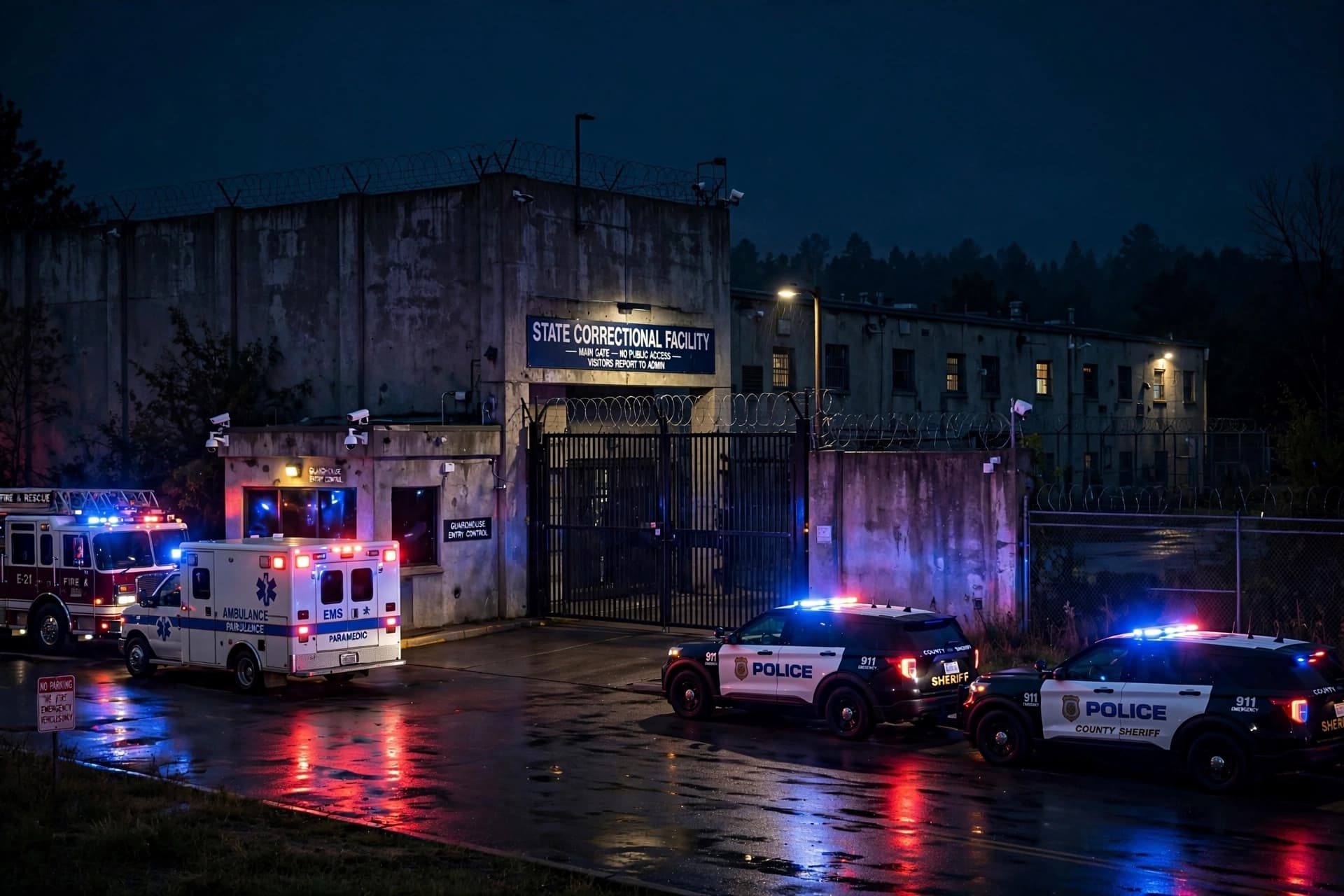
What followed was a cascade of confusion. Dispatchers called the prison’s Central Control to verify the request. A prison employee told them, “We didn’t call anybody. I would have been the one to call you guys” . At 9:03 p.m., a dispatcher announced over the radio that the call was “false” and that no medical assistance was needed . Emergency crews, already dispatched, waited outside the prison gates because they lacked the code to enter .
At 9:06 p.m., a second call came from the prison—this time with the code . A few minutes later, Pike’s attorney, Kelly Gleason, called 911 herself. “My client, Christa Gail Pike, is undergoing a state execution,” she said. “She is still alive and breathing and needs immediate life-saving care” . A first responder could be heard on the radio saying someone at the gate was insisting the call was real and demanding entry .
The gates were finally opened at 9:11 p.m. Pike was in an ambulance by 9:34 p.m. She was hospitalized, placed on a ventilator, and regained consciousness six days later . She has since been returned to prison.
Tennessee’s lethal injection protocol provides no backup plan if the drugs fail, and the state Supreme Court had declined to intervene on Pike’s behalf before the execution . Governor Bill Lee has paused all executions pending a review . For now, the recordings remain—a record of a system that called for help and, for a time, could not convince anyone to come.
The images in this article are AI-generated and serve illustrative purposes only.
Sources: WPLN News, USA Today, Fox News, Associated Press, Fox 32 Chicago
Published by Banx Network. This article is part of the Banx decentralized media programme, powered by the BXE token on the XRP Ledger.