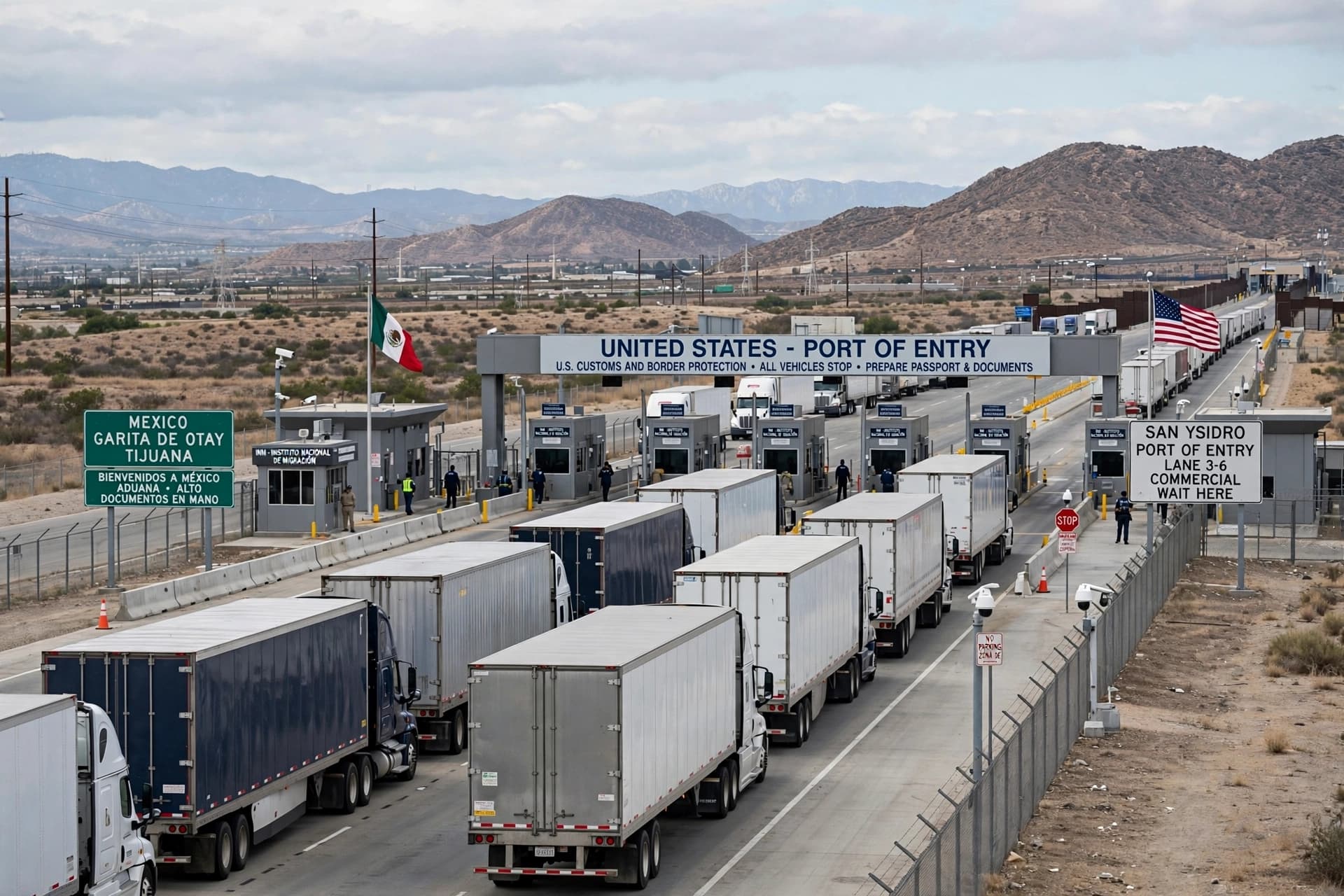
There is a particular pragmatism that governs the relationship between neighbors who share a long border and a longer history of trade—the quiet acknowledgment that disputes are best resolved not by walking away, but by finding something the other party wants. In Mexico City this week, President Claudia Sheinbaum offered that something: more purchases of American goods, a gesture meant to soften a trade deficit that has become a sticking point in negotiations with Washington.
Speaking at her daily press conference on Tuesday, Sheinbaum said her government is working to increase imports from the United States and reduce purchases from other countries as a way to address President Donald Trump's concerns about the growing U.S. trade deficit with Mexico . “We are doing many things to help reduce the deficit, above all, buying goods from the United States and stopping purchases from other countries, which will allow us to reduce the deficit,” she said, according to Bloomberg .
The numbers behind the concern are significant. Mexico's goods trade surplus with the United States has risen 51 percent so far this year through August compared with the same period last year, reaching more than $280 billion, according to central bank data . Trump has frequently accused countries that sell more to the U.S. than they buy of engaging in unfair trade practices.
Sheinbaum said she had conveyed to Trump during their last conversation in September that the main sticking points in a trade agreement were largely settled, only to be told that Washington remained unsatisfied with how Mexico had handled the trade gap . “President Trump knows that we are the country that buys the most from the United States and that those purchases have increased,” she said. “But that is where we left things once again, and we agreed to continue working and meet again” .
The push to close a deal comes against a backdrop of intensifying negotiations between Mexico and the U.S. over a potential interim bilateral trade agreement ahead of the November 3 midterm elections . Officials in both countries have viewed a deal as politically advantageous before the vote. Mexico has also read Canada's experience as a warning; the collapse of U.S.-Canada negotiations left those two countries in an escalating tariff dispute, and more than 80 percent of Mexico's exports go to the United States .
A central issue in any deal has been auto tariffs. Mexico has proposed a framework that would limit duties to the share of a vehicle's value that originates outside North America, rather than applying tariffs to the full vehicle price. The U.S. has pushed for automobiles to contain 50 percent American-made parts as a condition for reduced tariff rates—a threshold that Mexico and the auto industry have broadly viewed as impractical .
Sheinbaum's strategy of buying more American goods is not without its complications. Mexico has also sought to promote self-sufficiency through greater domestic production, including in sectors like gasoline and grains where imports from the U.S. are high . She has not ruled out purchasing more natural gas from the United States if domestic supply is insufficient, while also emphasizing a shift toward renewable energy sources . For now, the purchases serve as a diplomatic gesture, and the deal remains a work in progress.
The images accompanying this article are AI-generated and serve illustrative purposes only.
Sources: Bloomberg, Quartz, Xinhua Español, China Ministry of Commerce
Published by Banx Network. This article is part of the Banx decentralized media programme, powered by the BXE token on the XRP Ledger.