In the high-stakes theater of federal politics, integrity is the currency that buys trust. When that integrity is questioned, the repercussions can ripple through parties and parliament alike. Recently, Liberal MP Angus Taylor renewed calls for a Labor colleague, who faces criminal charges, to step down from their duties following an alleged breach of bail conditions. This development adds a layer of urgency to an already sensitive situation, highlighting the strict ethical standards expected of elected officials and the political maneuvering that surrounds them.
The Labor MP in question has been charged with serious offenses, and their continued presence in parliament has been a point of contention. Taylor’s latest comments focus on a reported breach of bail, suggesting that the MP’s actions have compromised the legal process and public confidence. For the opposition, this is an opportunity to highlight what they see as a failure of the government to uphold high standards of conduct among its members.
The Labor party, meanwhile, has maintained that the MP should remain in their position until the legal proceedings are concluded. They argue that the presumption of innocence is a fundamental principle of justice, and that stepping down prematurely would undermine that right. This stance reflects a broader debate about the balance between legal rights and political accountability.
Public opinion is divided. Some voters believe that elected officials should be held to a higher standard and should resign immediately upon being charged. Others feel that the legal process should run its course without political interference. The alleged bail breach intensifies this debate, as it suggests a disregard for court orders, which many view as a serious matter regardless of the underlying charges.
Taylor’s intervention is politically strategic, aiming to keep the issue in the spotlight. By focusing on the bail breach, he shifts the narrative from the charges themselves to the MP’s current behavior. This tactic allows the opposition to criticize the individual’s conduct without necessarily commenting on the guilt or innocence regarding the original charges. It is a nuanced approach that keeps the pressure on the government.
The Prime Minister and other senior Labor figures have remained relatively quiet, likely assessing the best course of action. A premature decision could alienate supporters who value due process, while inaction could damage the party’s reputation for integrity. The situation requires careful navigation, balancing legal advice with political reality.
For the MP involved, the pressure is immense. Facing legal challenges is difficult enough, but doing so under the glare of public scrutiny and political attack adds significant stress. Their ability to perform their duties may be affected, raising questions about representation for their constituents. The community they serve is left waiting for clarity and resolution.
As the legal and political dramas unfold, the call for the Labor MP to stand down grows louder. The outcome will depend on both the judicial process and the political will of the Labor party, testing their commitment to ethical governance.
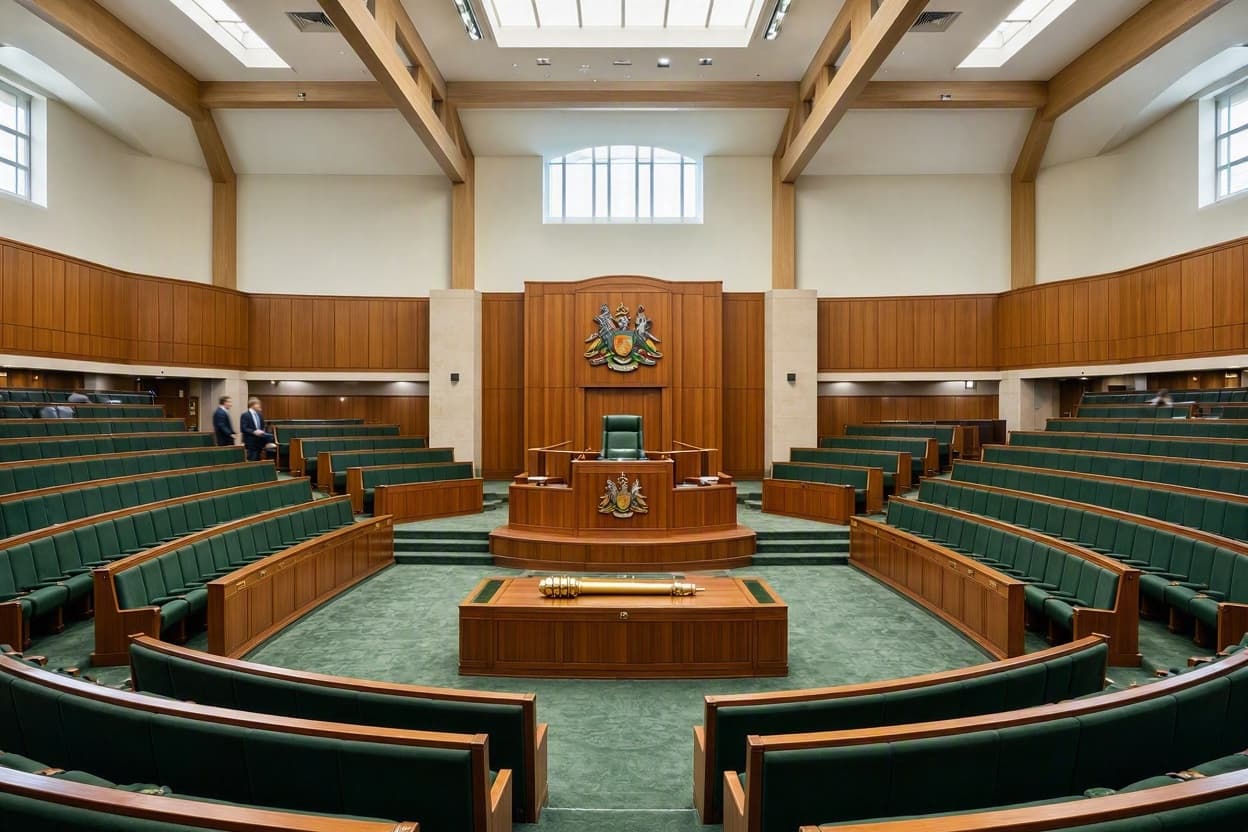
AI Image Disclaimer: Please be aware that images used in this context are AI-generated and are intended for illustrative purposes only.
Sources: ABC News The Guardian Sky News Australia The Australian
Published by Banx Network. This article is part of the Banx decentralized media programme, powered by the BXE token on the XRP Ledger.