Imagine a garden where the tallest trees cast the deepest shadows. Beneath them, the tender shoots strive for light and space. In the realm of modern workplace culture, such shadows can sometimes fall across the path of those who choose to speak up — voices seeking to illuminate discomfort, imbalance, or behavior that troubles the common good. Recently, a senior executive at one of the world’s most influential technology firms has become the latest figure in such a quiet clash between personal courage and institutional momentum.
In late 2022, Victoria Woodall, a senior leader in Google UK’s sales and agencies division, heard concerns from clients and colleagues about a team manager whose remarks and conduct veered far beyond professional boundaries. According to evidence presented to a London employment tribunal, this manager narrated intimate details of his personal life to clients and, on one occasion, displayed an explicit image while scrolling through his phone — actions that, even in the light of corporate policy, made many around him uncomfortable and raised questions about respect in professional spaces.
Woodall took the step that many workplaces strive to encourage: she reported the conduct through internal channels. The company launched an investigation, which ultimately led to the manager’s dismissal for gross misconduct. In interviews with investigators, additional allegations of inappropriate touching and comments toward colleagues also emerged, underlining the seriousness with which some staff viewed the behaviour.
But what followed for Woodall was not simple affirmation of her whistleblowing. Instead, she says a pattern of adverse treatment began to unfold. Assignments were shifted. A once-successful client account was swapped for one described in court filings as “a poisoned chalice.” She was moved into roles that, she says, diminished her influence and set her up to be caught up in a broader redundancy round in early 2024 a turn that left her considering whether her career had been subtly reshaped in response to her complaint.
The company unequivocally disputes that Woodall’s reporting of misconduct and the changes to her role were causally linked. In its official response to the tribunal, Google acknowledged that her original complaint qualified as whistleblowing under UK law but argued that the subsequent role moves and redundancy were part of a wider reorganisation affecting many positions, unrelated to her disclosures. The firm also challenged some characterizations of events as interpretive rather than definitive.
Beyond the specifics of this case, the situation has touched on broader questions: how do global corporations balance internal reporting mechanisms with perceived fairness? How do they protect those who raise delicate concerns without inadvertently exposing them to professional risk? And what role does organisational culture play in shaping responses to behaviour that staff believe crosses lines? These questions don’t have easy answers, but they are increasingly shaping how business and society understand accountability.
As the London Central Employment Tribunal prepares to issue its judgement in the coming weeks, the outcome will not only affect the individuals involved but may also influence how similar cases are viewed in workplaces across industries where reputation, power and the courage to speak up intertwine.
In the end, this story underscores how an individual’s effort to signal discomfort with certain conduct can ripple outward prompting corporate action, spawning debate about internal culture, and raising questions about the ways in which institutions respond to those who choose to raise their voice. As the case proceeds, it remains a reminder of both the promise and the challenge inherent in speaking truth to power within modern workplaces.
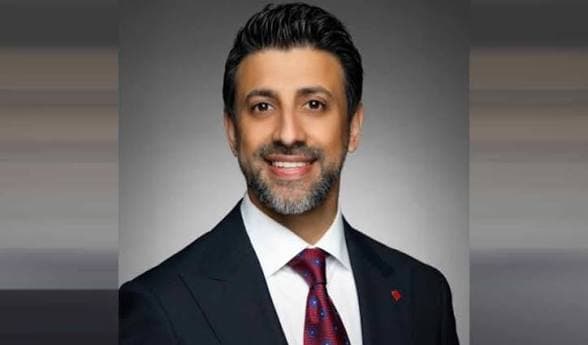
AI Image Disclaimer Visuals are created with AI tools and are not real photographs.
Source Check
BBC The Star (Kenyan news outlet) Capital Business (Kenyan media) HRD NZ / HRD US (industry HR news) The Times (UK)
Published by Banx Network. This article is part of the Banx decentralized media programme, powered by the BXE token on the XRP Ledger.