In the shimmering heat of the Caribbean Sea, where energy and diplomacy rub shoulders, a surprising fracture has appeared in what once was cooperative terrain. Nicolás Maduro, President of Venezuela, announced the immediate suspension of energy agreements with neighboring Trinidad and Tobago. The cause: Trinidad’s decision to host a U.S. warship, which Caracas described as a hostile act and a marker of alliance with Washington.
The move halts not only current deals but also prospective joint ventures—most notably the once-hyped “Dragon” gas field project off Venezuela’s waters, in which Trinidad had been a partner. Maduro characterized Trinidad’s hosting of the destroyer USS Gravely as turning the island into an “aircraft carrier of the U.S. empire” against Venezuela.
This rupture is more than a bilateral spat. It highlights how energy treaties—especially in regions rich in hydrocarbons—are entwined with alliance politics, military posturing and regional strategy. What once might have been framed purely in terms of supply and commerce now carries the weight of sovereignty and geopolitical alignment.
Officials in Port-of-Spain, the capital of Trinidad & Tobago, responded by downplaying the dependency they have on Venezuelan gas, asserting that the nation’s future “does not depend on Venezuela and never has.” The country declared that it continues to pursue its own energy and non-energy strategies regardless of the Venezuelan withdrawal.
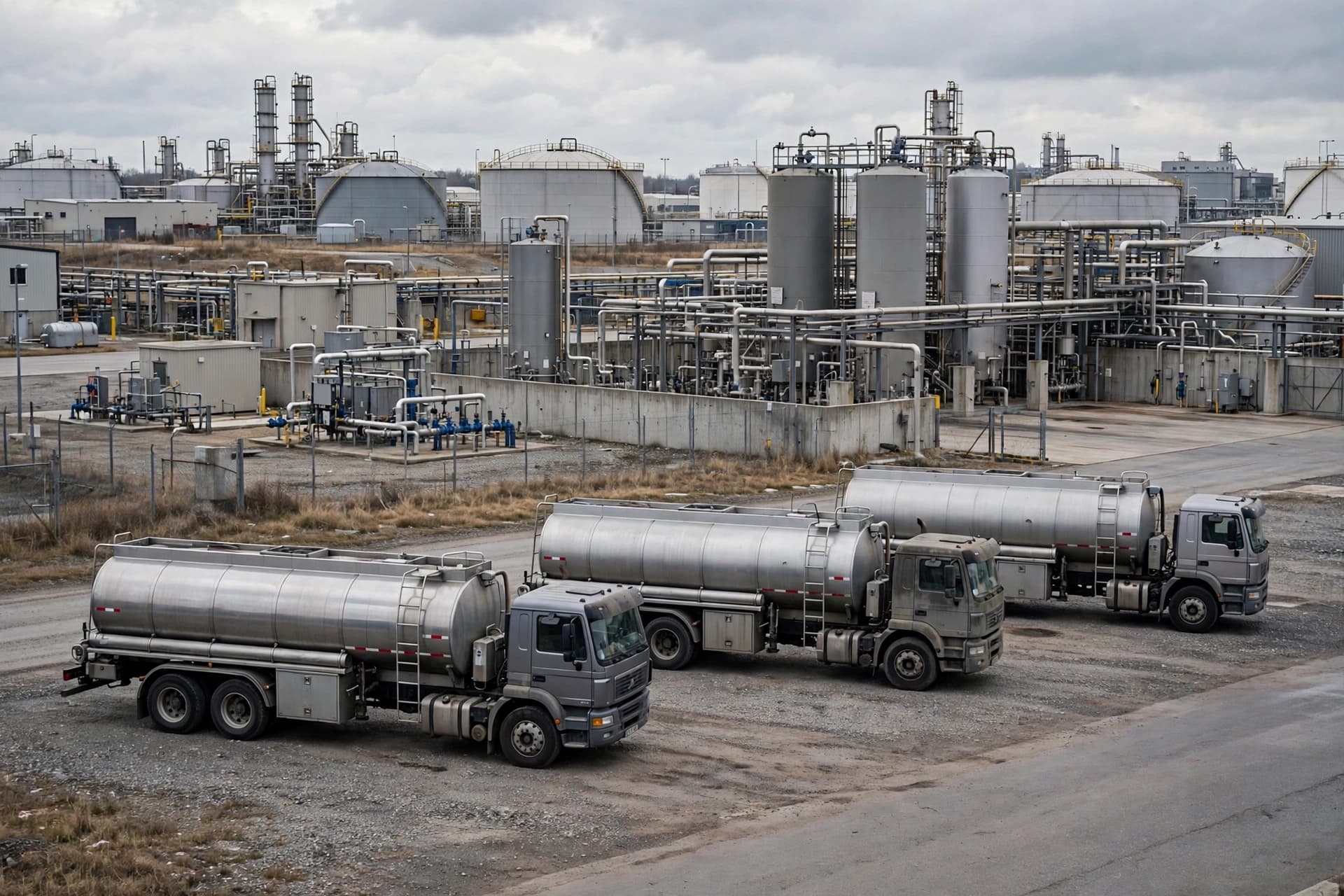
AI image disclaimer: Images generated by AI may not depict real people, places or events with perfect accuracy.
sources : Reuters
Published by Banx Network. This article is part of the Banx decentralized media programme, powered by the BXE token on the XRP Ledger.