Opening: The waters of the Taiwan Strait have long been a mirror for geopolitical tensions, reflecting the anxieties and ambitions of major powers. Recently, this strategic waterway has once again become the focal point of military posturing, with the United States reporting a significant number of intercepts or "hits" during recent engagements. The phrase "back to the beginning" suggests a cyclical nature to these confrontations, where diplomatic overtures are often followed by renewed displays of force. It is a reminder that in the theater of international relations, stability is not a permanent state but a fragile equilibrium that requires constant vigilance and dialogue.
Body: The claim of 140 hits refers to instances where US assets, likely aircraft or naval vessels, encountered Chinese military maneuvers in the region. These interactions, while often routine in their frequency, carry an undercurrent of risk. Each encounter is a test of professionalism and restraint, where miscalculation could lead to unintended escalation. For pilots and sailors on both sides, these moments are defined by precision and adherence to protocol, even as political rhetoric heats up on land.
The significance of these numbers lies not just in the count but in the context. They indicate a sustained level of activity that keeps the region on edge. For Beijing, these operations are a assertion of sovereignty and a warning against external interference. For Washington, they are a demonstration of commitment to allies and the maintenance of freedom of navigation. Both sides view their actions as defensive, yet to the observer, they appear as a tightening spiral of pressure.
This dynamic affects not only military planners but also the broader economic and social fabric of the region. The Taiwan Strait is a critical artery for global trade, and any disruption here would have far-reaching consequences. Businesses and governments watch these developments closely, aware that security in the Indo-Pacific is inextricably linked to global prosperity. The stakes are high, making every interaction a matter of international concern.
Diplomatic channels remain open, though often strained. Efforts to establish guardrails and communication protocols continue, aiming to prevent accidents from spiraling into conflict. However, trust remains low, and each side interprets the other’s actions through a lens of suspicion. Building confidence requires more than just words; it demands consistent behavior and a willingness to de-escalate during moments of tension.
For the local populations in Taiwan and surrounding areas, the military buildup is a source of anxiety. Life continues amidst the shadow of potential conflict, with residents balancing daily routines with concerns about safety. The human element of this geopolitical struggle is often overlooked in strategic analyses, yet it is the most profound. Peace is not just an abstract concept but a lived experience that people cherish and protect.
As the situation evolves, the international community calls for restraint and dialogue. Multilateral forums provide spaces for discussion, though progress is often slow. The hope is that shared interests in stability will outweigh competitive impulses, leading to a more predictable and secure environment. It is a challenge that requires patience, empathy, and a long-term perspective.
Closing: In the end, the reported encounters in the Taiwan Strait are a symptom of deeper structural tensions. They remind us that peace is an active pursuit, requiring effort from all parties involved. As the world watches, the desire for a resolution that respects sovereignty and ensures safety remains a common, if elusive, goal.
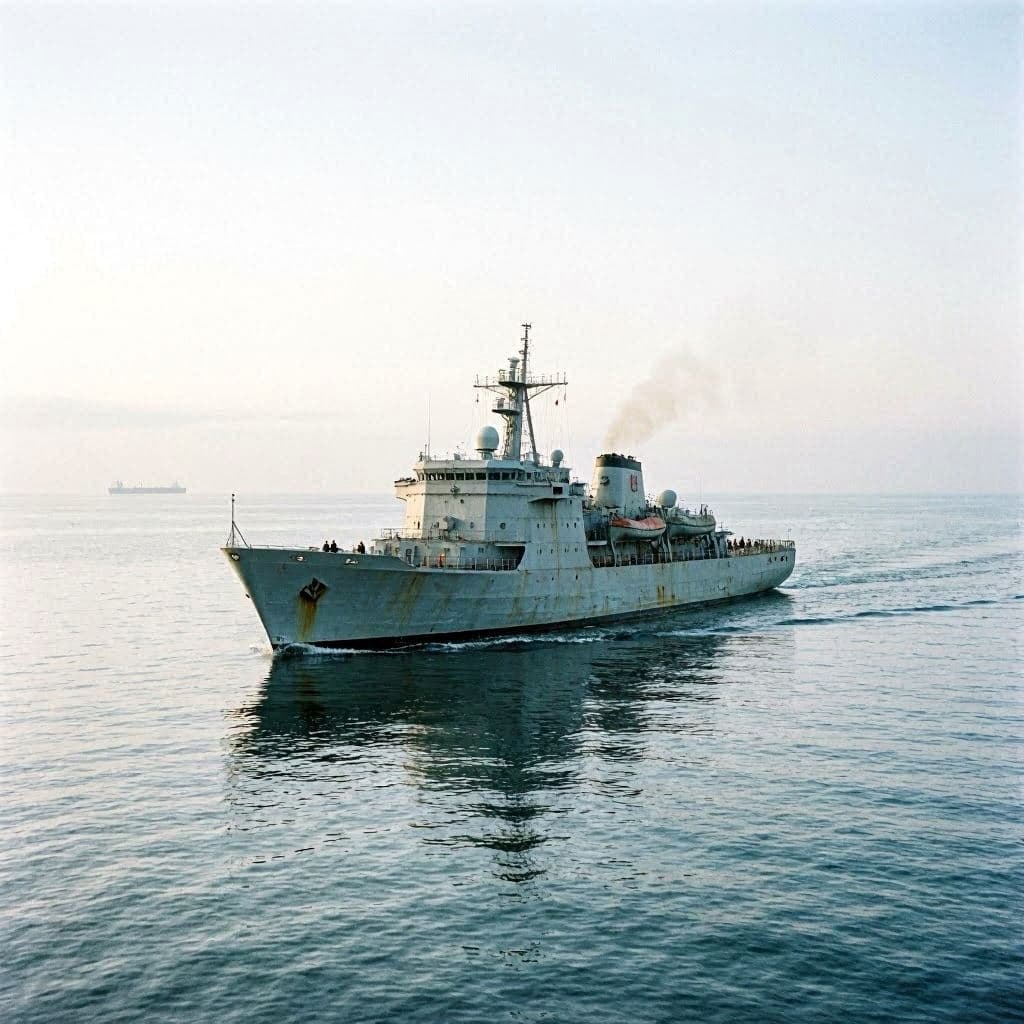
AI Image Disclaimer: Please note that any accompanying visuals for this narrative are artificially generated interpretations meant to evoke the spirit of the story, not documentary evidence.
Sources: US Department of Defense Reuters South China Morning Post
Published by Banx Network. This article is part of the Banx decentralized media programme, powered by the BXE token on the XRP Ledger.