There is a quiet arithmetic behind every flagship smartphone — a balance sheet written not in bold headlines, but in silicon, glass, and rare earth metals. When a new device arrives with a higher price tag, the reaction is often immediate, almost instinctive. Yet beneath that moment lies a longer story, one shaped by supply chains, component markets, and the subtle weight of global demand. With the Galaxy S26, Samsung’s leadership has gently pointed toward one central factor: memory, alongside the rising cost of materials.
In recent coverage from Android Central and TechRadar, a Samsung executive acknowledged that increased RAM pricing has played a significant role in the Galaxy S26’s elevated cost. Memory, once an incremental specification, has become foundational to modern smartphone performance. As applications grow more demanding and on-device AI features require greater resources, RAM is no longer a quiet background player. It is the stage upon which speed and fluidity unfold.
SamMobile and GSMArena further detail how broader component costs — including advanced chipsets, improved display panels, and upgraded camera systems — have also contributed to pricing pressure. Semiconductor markets have experienced cyclical fluctuations, with memory suppliers adjusting output in response to prior downturns. When supply tightens or demand rebounds, pricing inevitably shifts upward.
The Verge’s reporting frames the issue within a wider industry pattern. Flagship devices across brands have seen incremental increases as manufacturers integrate more advanced hardware while navigating currency shifts, logistics costs, and raw material constraints. In that context, Samsung’s explanation feels less like an exception and more like a reflection of global trends.
There is a certain transparency in attributing the price increase to RAM and materials rather than vague “market conditions.” It suggests a willingness to acknowledge that innovation carries tangible costs. Higher-capacity RAM modules, for instance, are not merely numbers on a spec sheet; they require more complex fabrication processes and refined manufacturing yields. Add to that enhanced cooling systems, stronger frames, and brighter, more energy-efficient displays, and the cumulative impact becomes clearer.
Yet the conversation is not solely about cost. It is also about positioning. By equipping the Galaxy S26 with higher baseline RAM and more premium materials, Samsung signals its intent to anchor the device firmly in the flagship tier. The price reflects both the expense of components and the ambition of performance.
At the same time, consumers inevitably weigh value against investment. A higher price tag invites scrutiny — not hostility, but careful consideration. Does the improved RAM capacity translate into noticeably smoother multitasking? Do upgraded materials enhance durability in daily use? These are practical questions that live alongside financial realities.
In straightforward terms, Samsung has confirmed that rising RAM prices and increased material costs have contributed to the Galaxy S26’s higher retail price. The company positions the adjustment as a reflection of enhanced hardware specifications and broader supply chain dynamics affecting the industry.
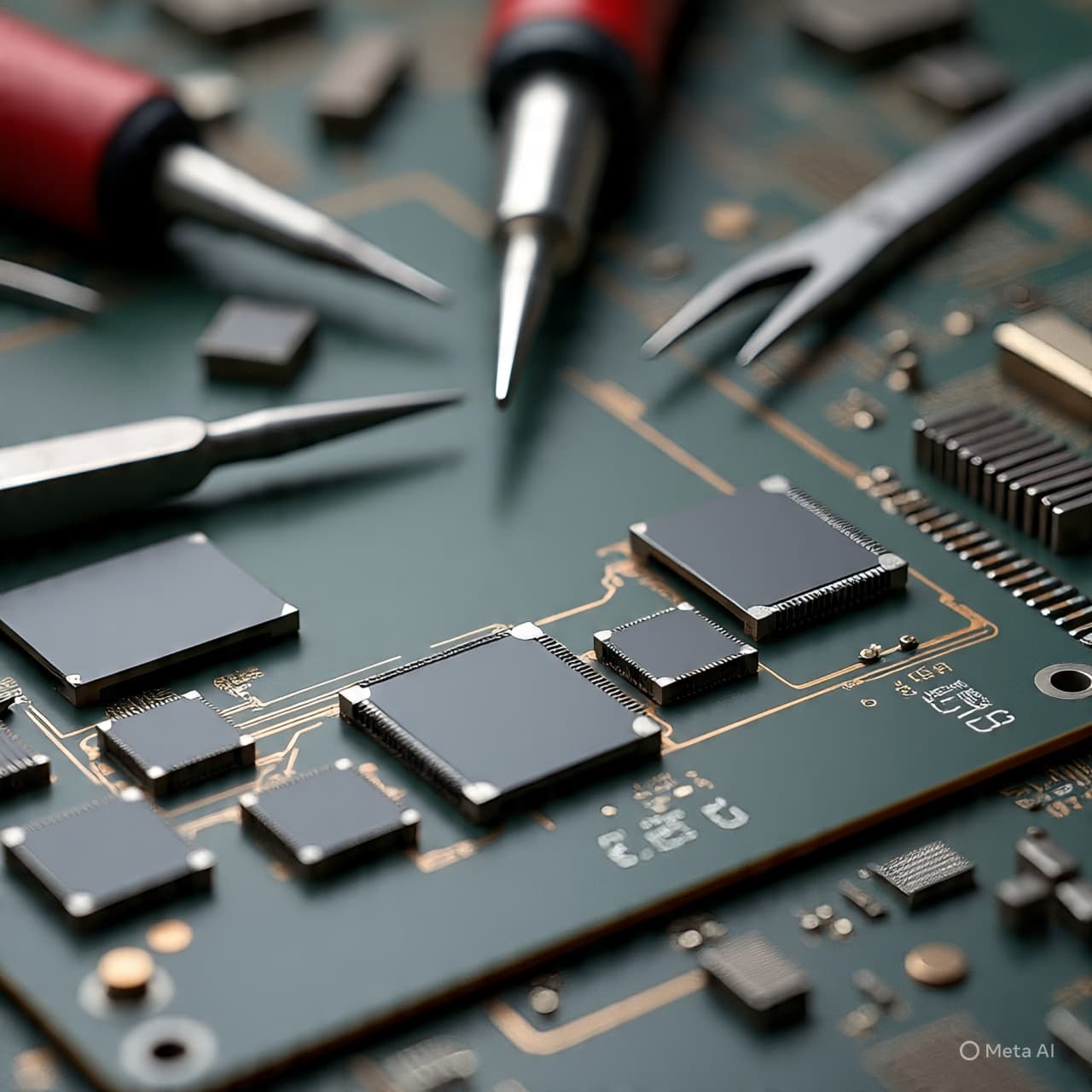
AI Image Disclaimer Visuals are created with AI tools and are not real photographs.
Sources Android Central SamMobile GSMArena The Verge TechRadar
Published by Banx Network. This article is part of the Banx decentralized media programme, powered by the BXE token on the XRP Ledger.