There is a particular irony in the story of the asteroid that ended the age of dinosaurs. The impact was a catastrophe of almost unimaginable scale, a single event that reshaped the planet's ecosystems in a matter of hours and days. Yet from that devastation, something unexpected emerged: a small, social insect that would go on to become one of the most ecologically dominant groups on Earth. Ants, it turns out, may have been the beneficiaries of the dinosaurs' demise, and the mechanism may lie in their DNA.
The research, published in Science Advances, was led by Dr. Lukas Schrader of the University of Münster in Germany. His team analyzed and compared the genomes of 163 ant species representing twelve of the sixteen ant subfamilies living today, reconstructing the evolutionary history and activity of transposable elements—mobile pieces of DNA often called "jumping genes"—over the past hundred million years . What they found was a striking pattern: the ant lineages carrying the most transposable elements in their genomes are also the most species-rich today.
Even more telling was the timing. The researchers identified independent bursts of transposable element activity in the ancestors of the largest ant groups during the early Paleogene, roughly 66 million years ago. These bursts occurred shortly before these lineages diversified into the thousands of species that exist today . The asteroid impact had dramatic consequences for the environment, and the genomic mechanism that connects those ecological upheavals to the subsequent rapid diversification of ants appears to be transposable elements.
Transposable elements were long regarded as genomic parasites, sequences that multiplied without benefiting their host and could even cause disease. But a growing body of research has recast them as engines of evolutionary innovation. They can alter DNA and influence gene activity, creating opportunities for new traits to emerge . In ants, one of the most consequential of those traits may have been the sense of smell. Ants navigate, recognize nestmates, and coordinate their colonies almost entirely through chemical signals. The researchers found a connection between transposable elements and the expansion of gene families responsible for odorant receptors, the proteins that allow ants to detect and interpret those signals .
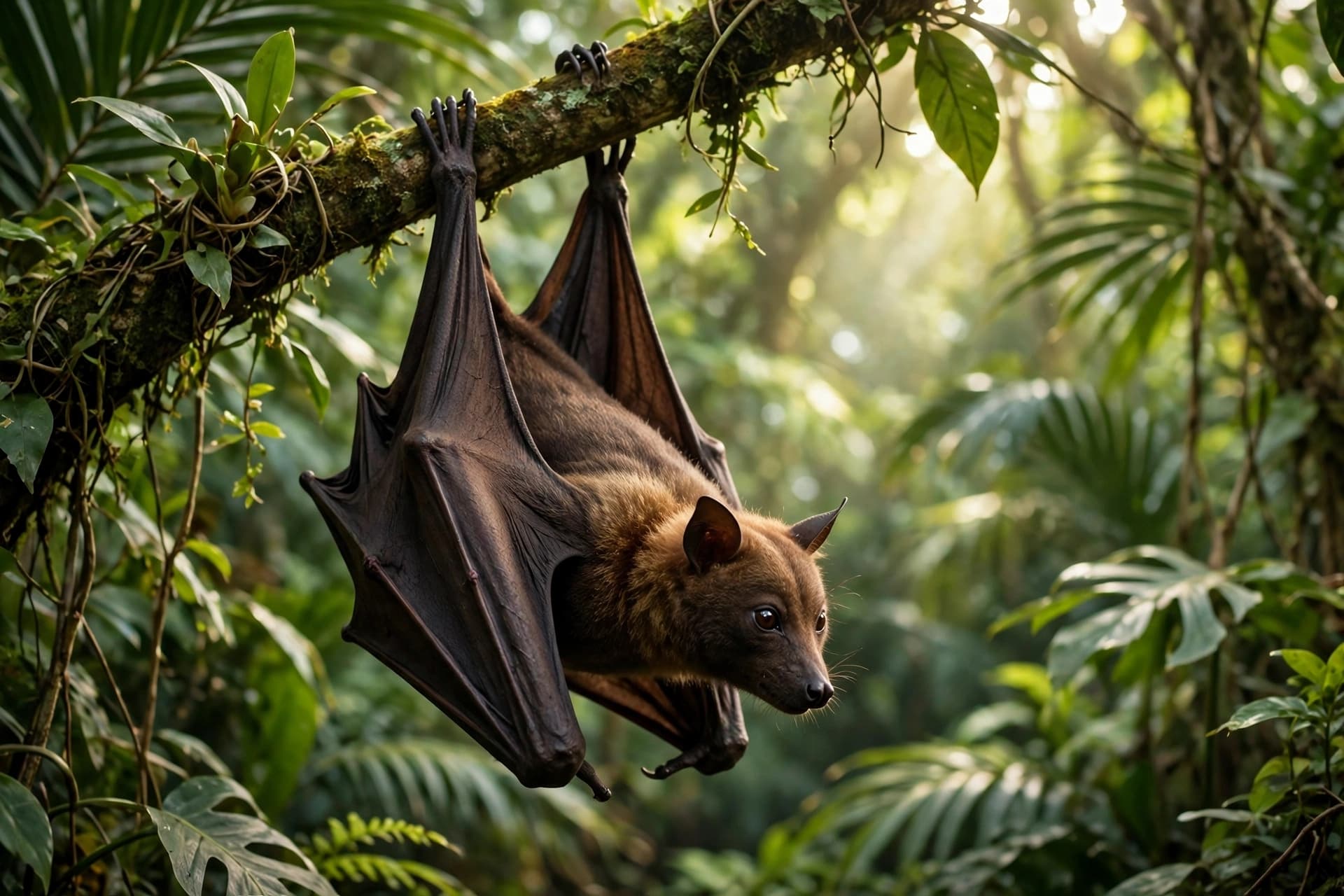
Schrader framed the finding in direct terms. The asteroid impact had dramatic consequences for the environment, he said, and the team has now found the genomic mechanism that connects these ecological upheavals to the subsequent rapid diversification of the ants . Comparable patterns have been identified in other animal groups, with bursts of jumping gene activity during more recent phases of increased speciation in primates and bats. The pattern is not unique to ants, but in ants it coincided with a moment of ecological opportunity that no other social insect could exploit in quite the same way.
The study does not claim that the asteroid directly caused the genetic changes. It points to a possible evolutionary connection, a correlation between environmental upheaval and genomic activity that is suggestive but not definitive . What the research does establish is that the ants that came to dominate the post-dinosaur world were not merely lucky. They carried within their genomes a source of variation that may have helped them adapt and diversify as the world around them was remade.
Today, ants form the largest family of social insects, with more than 15,000 species worldwide . They are everywhere—in forests and deserts, in cities and farms, in the soil beneath our feet. The asteroid that ended the dinosaurs did not plan to help them. It did not plan anything. But the wreckage it left behind became a nursery, and the ants, with their restless genomes and their chemical language, found a way to flourish in it.
Image note: The visuals accompanying this article were generated using artificial intelligence and do not depict actual ants or genomic data.
Sources: University of Münster, Science Advances, EurekAlert, Times of India
Published by Banx Network. This article is part of the Banx decentralized media programme, powered by the BXE token on the XRP Ledger.