There are moments in the life of a nation when its economy feels less like a machine and more like a garden in need of cultivation. The soil may be rich, yet decades of whispered stagnation, shifting weather patterns, and the slow march of time have left it in need of fresh care. For Japan, that moment has become a new chapter in political and economic imagination — one in which leaders seek to nurture growth, renewal, and resilience through ideas both familiar and bold.
In Tokyo’s corridors of power, the concept of a “New Form of Capitalism” has taken root, a phrase first cultivated under Prime Minister Fumio Kishida’s tenure as a way to bridge the old rhythms of growth with the pressing needs of society. In essence, this vision seeks not merely to chase higher numbers on a balance sheet, but to sow the promise of wage increases and a more lively cycle of investment and consumption. This isn’t growth for growth’s sake, but growth intended to warm the hands of workers long accustomed to waiting for their turn in the sun.
From the chambers of the Diet to discussions in business districts, that idea has been accompanied by concrete measures: encouraging structural wage gains, reshaping labour markets to support mobility and learning, and inviting private investment into arenas once reserved for tradition. Kishida’s government has also placed a spotlight on turning Japan into a hub for asset management, hoping that by deepening financial markets the seeds of innovation and entrepreneurship will flourish.
Yet, as with any garden, the climate matters. Japan remains an aging society, with a shrinking workforce and the persistent breeze of deflation tugging at its economic edges. Addressing these long-term challenges means nurturing not just growth, but sustainability — carefully tending to public finances while inviting fresh streams of investment into fields like artificial intelligence, semiconductors, and green transformation.
The recent rise of Prime Minister Sanae Takaichi has introduced a new twist to this story. With her leadership came a fresh set of pledges on fiscal policy and economic activism. Her advisers have emphasized the importance of fiscal discipline even as the government plans robust stimulus and strategic spending. Among priorities are targeted investments in productivity — particularly in cutting-edge sectors — that could support Japan’s competitive edge in a world where innovation is currency.
Takaichi’s platform, underscored during snap elections, has fused broad economic ideas with political urgency, seeking to reassure markets while appealing to voters hungry for change. Her agenda includes balancing fiscal responsibility with growth-oriented measures that extend beyond traditional stimulus, all while navigating the delicate art of communication with investors and institutions like the Bank of Japan.
Across both leadership approaches, there is a shared recognition: that Japan’s economic landscape must evolve to face the complexities of the 21st century. Whether through wage pressures, corporate innovation, or policy incentives that reach into the heart of everyday life, the aim is to cultivate a cycle of resilience and opportunity. But reshaping an economy is not swift work; it is patient, like watching young shoots break through winter soil.
In this chapter of Japan’s economic story, the melody is not one note but many — rhythms of reform, investment, and social consideration intertwined. The leaders steering this composition are mindful that policy is not merely a blueprint, but a living set of choices that shape the daily lives of millions. In the gentle pause between goal and outcome, hope persists that these choices will bring not only prosperity, but a sense of shared purpose in the gardens of Japan’s future.
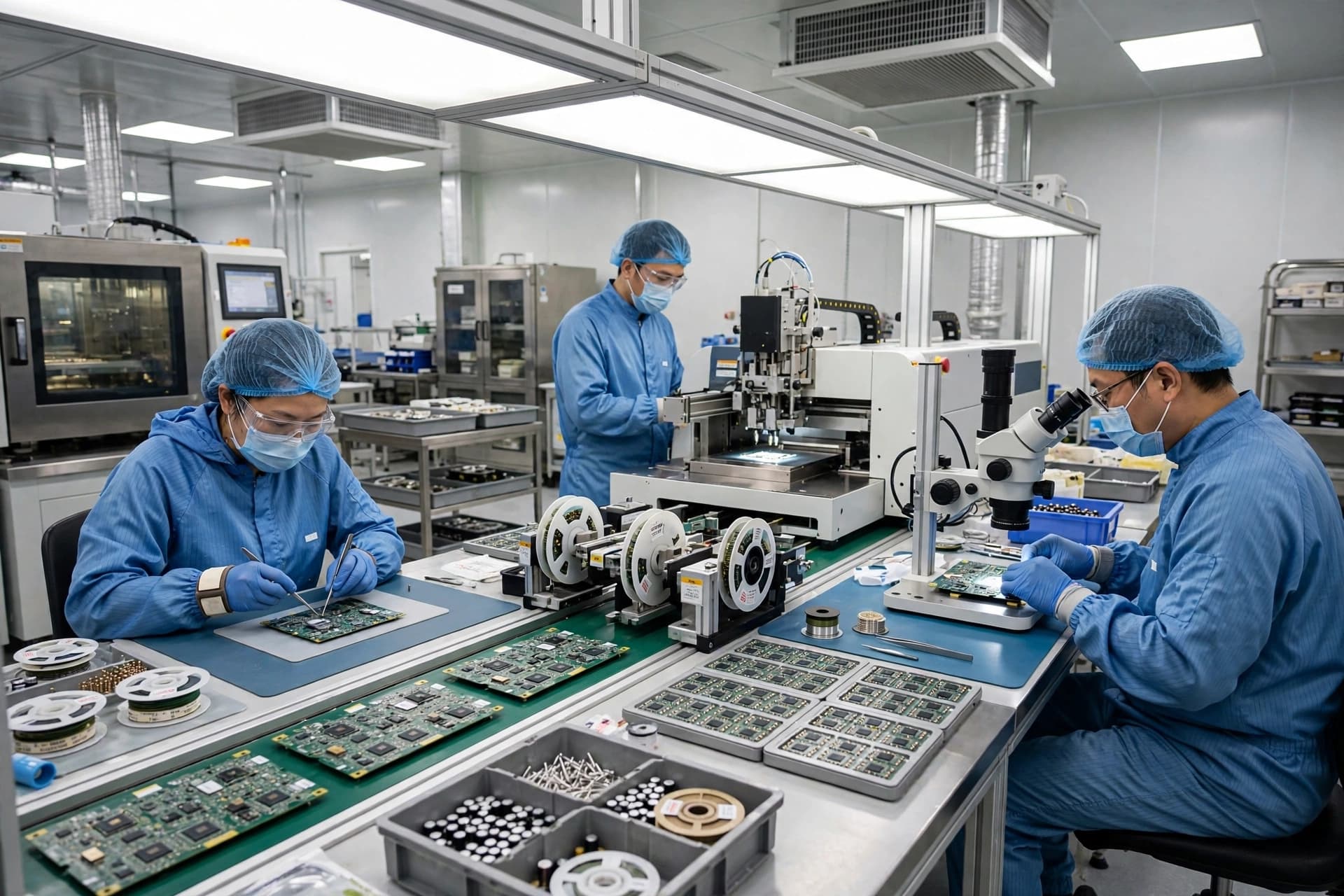
AI Image Disclaimer Visuals are created with AI tools and are not real photographs.
Sources (Source Check) ReutersThere are moments in the life of a nation when its economy feels less like a machine and more like a garden in need of cultivation. The soil may be rich, yet decades of whispered stagnation, shifting weather patterns, and the slow march of time have left it in need of fresh care. For Japan, that moment has become a new chapter in political and economic imagination — one in which leaders seek to nurture growth, renewal, and resilience through ideas both familiar and bold.
In Tokyo’s corridors of power, the concept of a “New Form of Capitalism” has taken root, a phrase first cultivated under Prime Minister Fumio Kishida’s tenure as a way to bridge the old rhythms of growth with the pressing needs of society. In essence, this vision seeks not merely to chase higher numbers on a balance sheet, but to sow the promise of wage increases and a more lively cycle of investment and consumption. This isn’t growth for growth’s sake, but growth intended to warm the hands of workers long accustomed to waiting for their turn in the sun.
From the chambers of the Diet to discussions in business districts, that idea has been accompanied by concrete measures: encouraging structural wage gains, reshaping labour markets to support mobility and learning, and inviting private investment into arenas once reserved for tradition. Kishida’s government has also placed a spotlight on turning Japan into a hub for asset management, hoping that by deepening financial markets the seeds of innovation and entrepreneurship will flourish.
Yet, as with any garden, the climate matters. Japan remains an aging society, with a shrinking workforce and the persistent breeze of deflation tugging at its economic edges. Addressing these long-term challenges means nurturing not just growth, but sustainability — carefully tending to public finances while inviting fresh streams of investment into fields like artificial intelligence, semiconductors, and green transformation.
The recent rise of Prime Minister Sanae Takaichi has introduced a new twist to this story. With her leadership came a fresh set of pledges on fiscal policy and economic activism. Her advisers have emphasized the importance of fiscal discipline even as the government plans robust stimulus and strategic spending. Among priorities are targeted investments in productivity — particularly in cutting-edge sectors — that could support Japan’s competitive edge in a world where innovation is currency.
Takaichi’s platform, underscored during snap elections, has fused broad economic ideas with political urgency, seeking to reassure markets while appealing to voters hungry for change. Her agenda includes balancing fiscal responsibility with growth-oriented measures that extend beyond traditional stimulus, all while navigating the delicate art of communication with investors and institutions like the Bank of Japan.
Across both leadership approaches, there is a shared recognition: that Japan’s economic landscape must evolve to face the complexities of the 21st century. Whether through wage pressures, corporate innovation, or policy incentives that reach into the heart of everyday life, the aim is to cultivate a cycle of resilience and opportunity. But reshaping an economy is not swift work; it is patient, like watching young shoots break through winter soil.
In this chapter of Japan’s economic story, the melody is not one note but many — rhythms of reform, investment, and social consideration intertwined. The leaders steering this composition are mindful that policy is not merely a blueprint, but a living set of choices that shape the daily lives of millions. In the gentle pause between goal and outcome, hope persists that these choices will bring not only prosperity, but a sense of shared purpose in the gardens of Japan’s future.
AI Image Disclaimer Visuals are created with AI tools and are not real photographs.
Sources (Source Check) Reuters AP News Japan Times Bloomberg Government and Wikipedia economic policy records
Published by Banx Network. This article is part of the Banx decentralized media programme, powered by the BXE token on the XRP Ledger.